
Places to Visit on the GAP Tour Route: A Guide to Mardin, Şanlıurfa, Diyarbakır and Gaziantep
Southeastern Anatolia, one of Türkiye's regions with the richest layers of history, offers a string of captivating stops: Mardin, famed for its stone houses; Şanlıurfa, home to the sacred Balıklıgöl; Diyarbakır, with its historic city walls; and Gaziantep, renowned worldwide for its cuisine. Bearing the traces of civilizations thousands of years old, this route is a one-of-a-kind experience for history enthusiasts and food lovers alike. On the fertile lands of Mesopotamia, where different faiths and cultures have lived side by side for centuries, every corner tells a different story. In this guide, we've gathered everything you need to know, from the places to visit in the GAP region to getting there, and from the best time to visit to the local cuisine.
Places to Visit and Highlights of the GAP Region
Mardin: Stone Houses and Narrow Streets
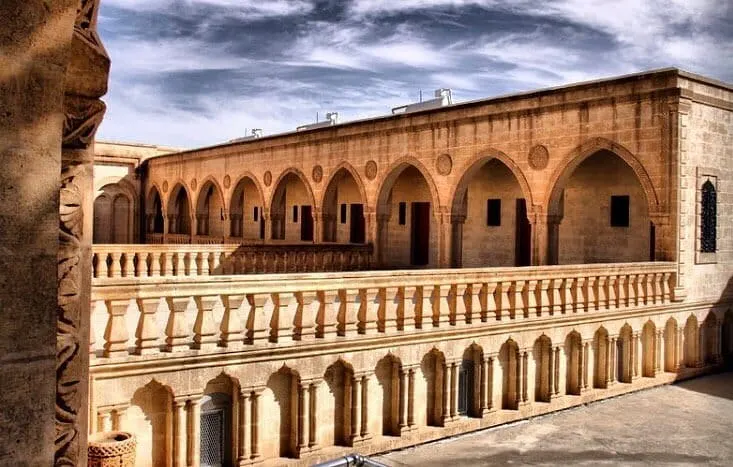
With its houses built from golden limestone, winding narrow streets and breathtaking views over the Mesopotamian plain, Mardin is the most photographed city in the region. A tour that begins at Mardin Castle continues on to the Kasımiye Madrasa, the Grand Mosque and the Deyrulzafaran Monastery. As you stroll through the city's streets, you'll notice the ornate carvings on the stone façades, the open courtyards and the alleyways linked to one another by arches; this architectural fabric is the result of a shared building language that different communities developed together over the centuries. Stone carvings on the house façades, such as grape clusters, rose motifs and geometric patterns, turn the city into an open-air museum of stonework for those who look closely; you can find a different detail on the door frame of every house. Just outside the city, Sülüklü Han has stood for centuries as an important stop along the caravan routes, and it's a must-see for anyone who wants a close look at its stonework and courtyard architecture. Kitchenware sets, copperwork, aromatic soaps and filigree (telkari) jewelry at Mardin Bazaar also make it a favorite stop for souvenir shopping.
Şanlıurfa: The City of Prophets
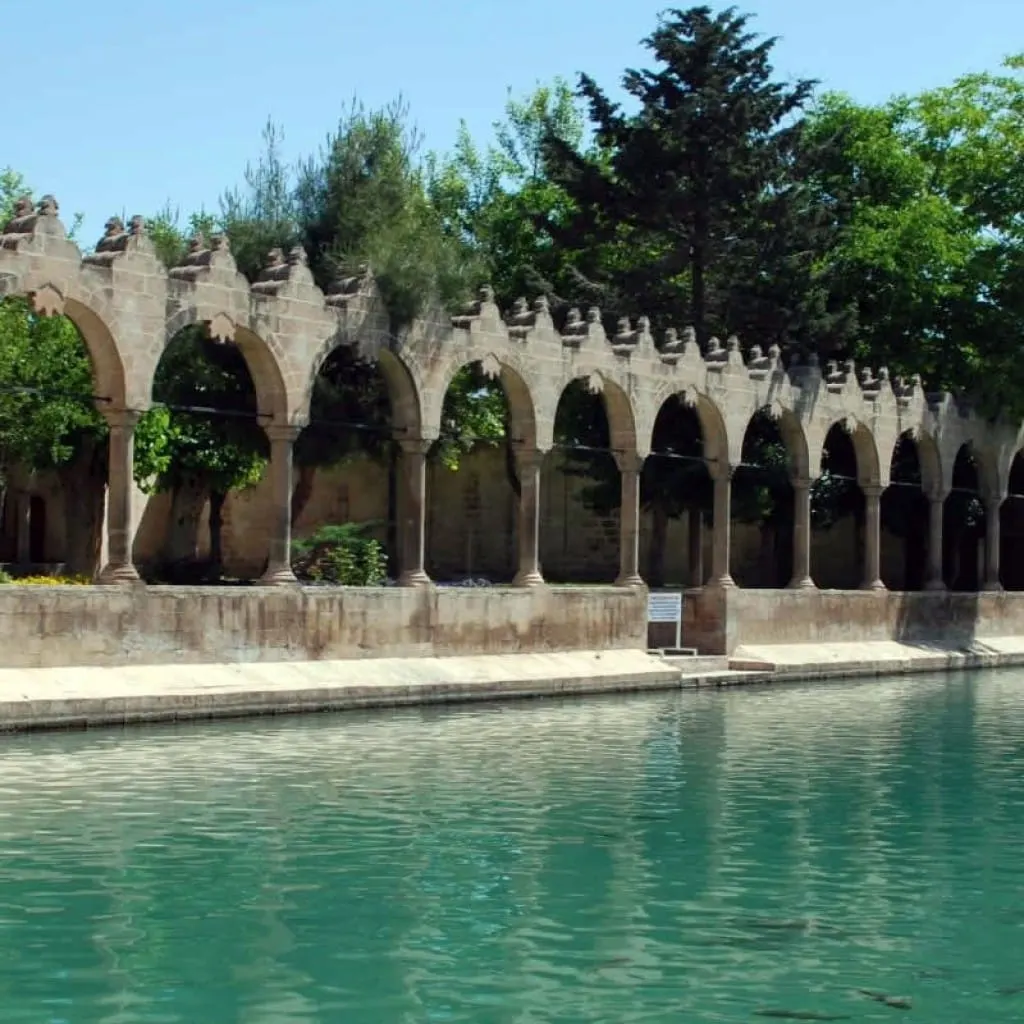
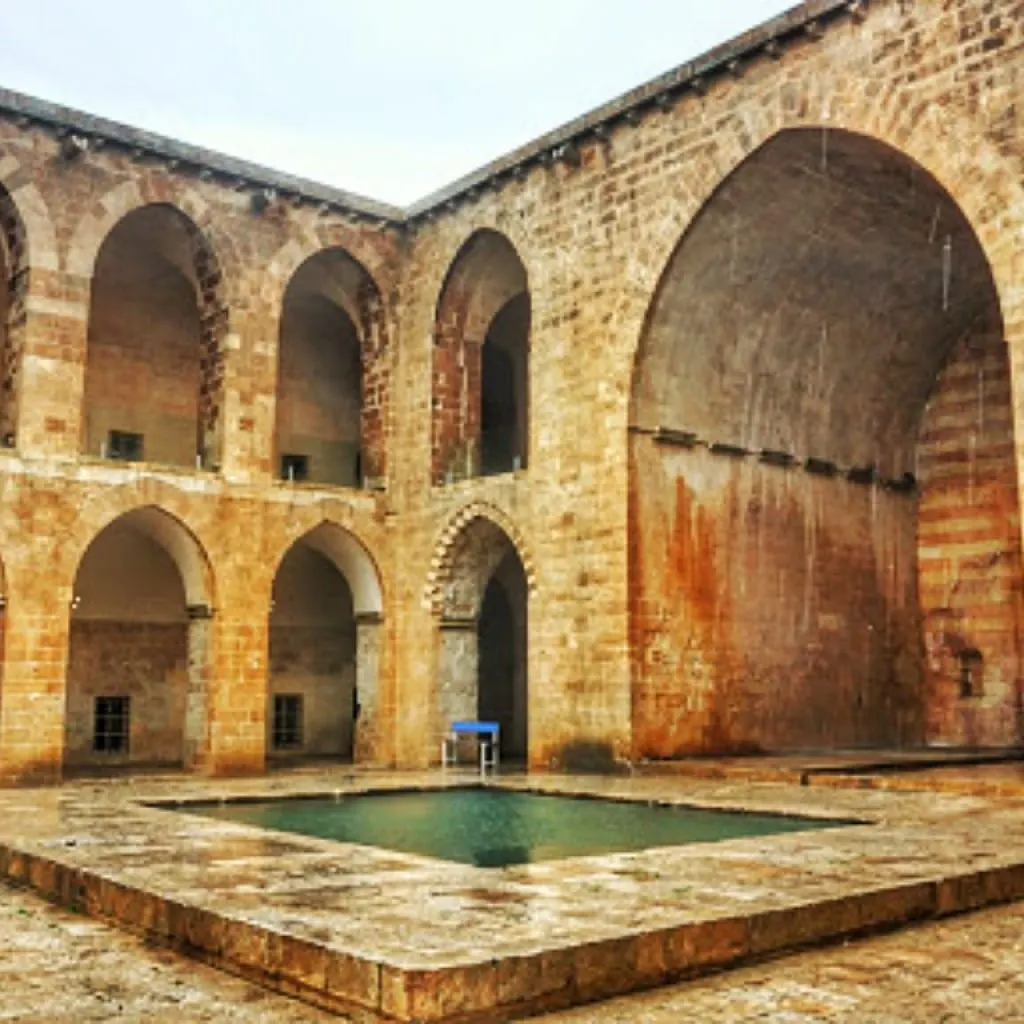
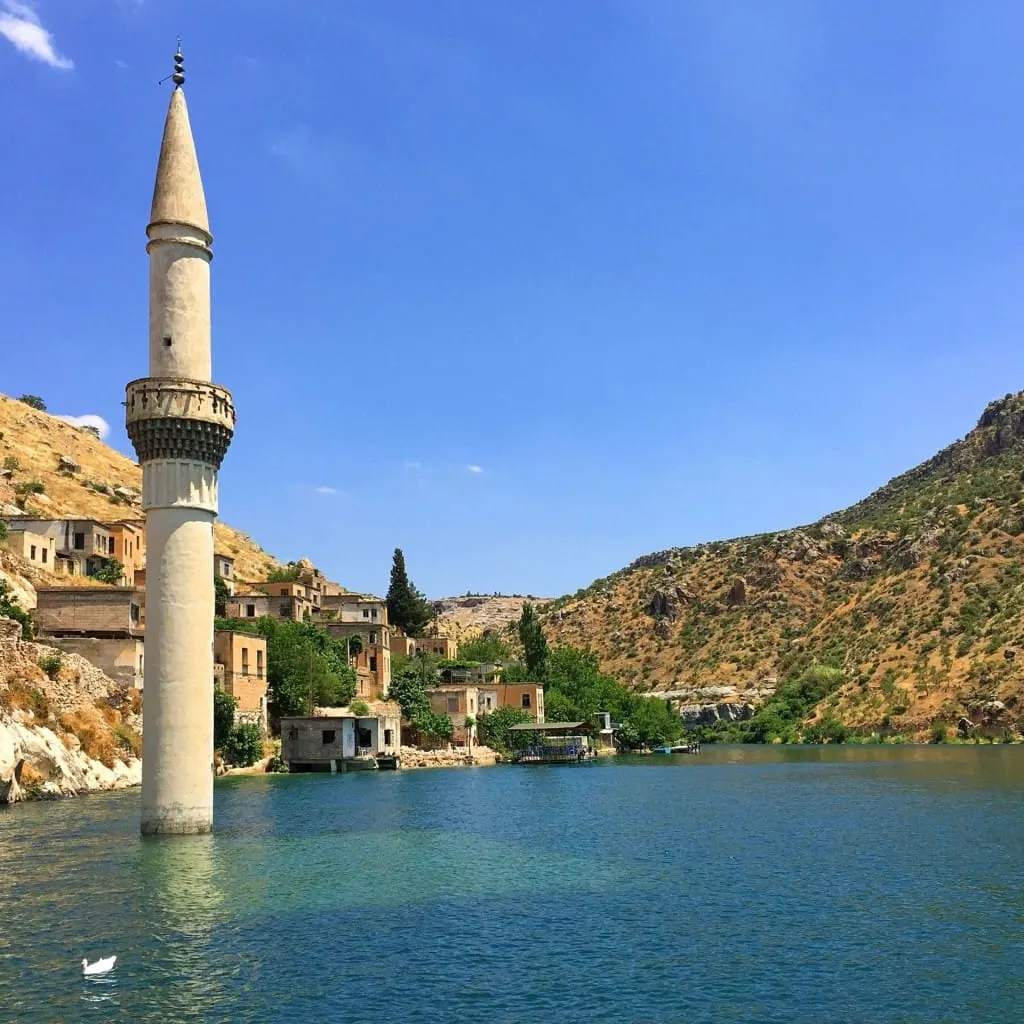
Also known as the "City of Prophets," Şanlıurfa is one of the region's most sacred stops, home to Balıklıgöl, where Prophet Abraham is believed to have been cast into the fire. The shady gardens along the lake, the mosque courtyards and the legendary carp give the city a peaceful atmosphere; relaxing in the tea gardens here in the evening to unwind after a long day has become a local habit. Göbeklitepe, located close to the city center, draws worldwide attention as the oldest known place of worship in human history and is an unmissable stop on the route for history buffs. Nearby Harran showcases the region's most unusual settlement pattern with its cone-shaped mudbrick houses; the ruins of Harran University, considered one of the world's first universities, are also found here. A little farther from Urfa, Halfeti stands out with its historic fabric now submerged beneath the waters of the Euphrates; the sunken mosque, explored by boat, offers one of the most extraordinary sights in the region.
Diyarbakır: The Walled Old City and the Banks of the Tigris
Home to the second-longest system of city walls in the world, Diyarbakır is encircled from end to end by basalt stone walls listed as a UNESCO World Heritage Site. Wandering the narrow streets of Sur İçi, the walled old city, you can see Hasan Paşa Han, the Grand Mosque and traditional Diyarbakır houses; the "abaşlama" technique, in which black basalt and white limestone are laid in alternating rows, is one of the most distinctive features of these houses. The historic Ten-Eyed Bridge (On Gözlü Köprü) over the Tigris River and, a little farther away toward Silvan, the Malabadi Bridge are among the impressive examples of medieval engineering; the Malabadi Bridge boasts one of the widest spans in the world among single-arch stone bridges. Watching the Tigris valley from the bastions atop the city walls is a special treat at sunset.
Gaziantep: The City of Mosaics and Flavor
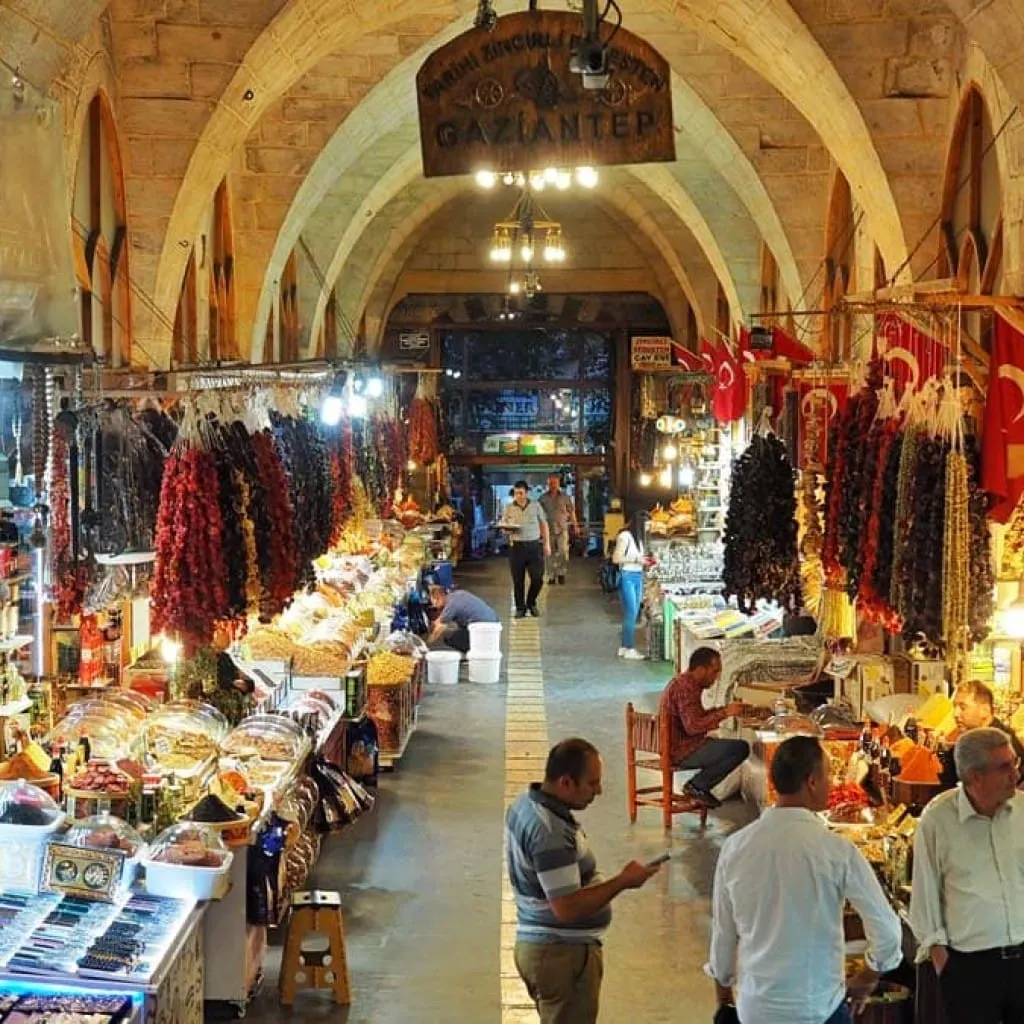
With its historical and gastronomic riches, Gaziantep is one of the most colorful stops on the route. Gaziantep Castle stands out with its commanding position over the city skyline, while the Zeugma Mosaic Museum, home to one of the largest mosaic collections in the world, displays unique works unearthed from the Roman-era ancient city of Zeugma, including the famous "Gypsy Girl" mosaic. The historic Coppersmiths' Bazaar and Zincirli Bedesten are places that still keep the city's traditional trading culture alive; here you'll find hand-hammered copperware, hand-printed quilts and local spices. As you wander the city's backstreets, you're bound to come across a baklava or künefe shop on every corner.
How to Get to the GAP Route? A Ready-Made Package Tour
A trip to Mardin, Şanlıurfa, Diyarbakır and Gaziantep means juggling transportation, accommodation, opening hours and route planning. With our ready-made package tour, we take care of all these details, so all you have to do is enjoy the journey.
- A tour with transportation, route and itinerary fully planned
- Sightseeing accompanied by a guide who knows the region
- The assurance of a TÜRSAB-certified agency
- Choice of a group tour or a private vehicle tour for your family
You can view dates, prices and the itinerary on the GAP Tour page and book online. If you'd like a plan tailored to you or your group, message us on WhatsApp and let's plan the route together.
Where to Stay?
Mardin offers the most special accommodation experience on the route, with boutique hotels converted from stone mansions; many of them offer views of the Mesopotamian plain from their terraces. In Şanlıurfa, hotels close to the city center are within walking distance of Balıklıgöl, while in Gaziantep and Diyarbakır you can choose between boutique hotels near the historic center and more affordable chain hotels outside the city. Spreading the route over several days and staying at least one night in each city lets you take advantage of the cooler, quieter sightseeing opportunities that early mornings and late afternoons provide.
Best Time to Visit
Southeastern Anatolia is known for summer temperatures that climb above 40 degrees Celsius, so the ideal times to visit are March to May and September to November. In spring, the Mesopotamian plain turns green, while in autumn the mild weather offers travelers a more comfortable experience. In winter, snow falling on Mardin's stone houses lends the city a different, enchanting beauty, although some open-air sites may have more limited visiting hours. For those who prefer to travel in summer, early mornings or late afternoons are the best times of day in terms of both temperature and light.
Local Cuisine: What to Eat and Where
Listed as a city of gastronomy in the UNESCO Creative Cities Network, Gaziantep is one of the richest destinations in Turkish cuisine. Among the flavors you must try in the region are çiğ köfte, made from very finely minced meat kneaded with spices; künefe, a warm dessert prepared with shredded pastry and cheese; katmer, a breakfast pastry made by layering pistachios between thin sheets of dough; the world-famous pistachio baklava; liver kebab coated in red pepper; and meftune, prepared with garden vegetables. In Mardin, traditional dishes such as "kitel raha," made by kneading meat with fine bulgur and filling it with roasted walnuts, stuffed onions and hıngıl stand out. In Şanlıurfa, spicy kebab varieties, soups made with isot pepper and, for dessert, grape molasses blends are common. For meals, you can choose traditional tradesmen's restaurants in the city centers, classic kebab houses and the baklava shops around Gaziantep's historic bazaar; in Mardin, restaurants converted from stone mansions, famous for their terraces overlooking the plain, offer both great food and stunning views.
Best Places for Photography
The sunken mosque in Halfeti, which can be approached by boat, yields the most unforgettable photos of the route when captured in the light of sunset; the early morning hours, when the water is calm, are also ideal for catching the mosque's reflection. In Mardin, framing the Mesopotamian plain at sunset from the hills above the city or from terraced cafés has become a classic "Instagram shot"; the moments when the golden hue of the stone houses turns to gold in the evening light are especially striking. The evening illumination of Balıklıgöl, the view of the Tigris from the bastions of Diyarbakır's city walls and the mosaic details at the Zeugma Museum are also opportunities photography lovers shouldn't miss.
Historical and Cultural Significance
The region's history stretches back to the earliest periods of human civilization; Göbeklitepe near Şanlıurfa, with its places of worship dating back some 12,000 years, has rewritten human history and raised the theory that even the transition to settled agricultural life may have developed after these temples. For centuries, Mardin was a multicultural center where Muslim, Syriac, Armenian and Yazidi communities lived side by side; the Deyrulzafaran and Mor Gabriel monasteries near the city are living witnesses to a Syriac Orthodox heritage dating back to the 4th century and are still actively open for worship. While Diyarbakır's walls bear traces of the Roman, Byzantine, Seljuk and Ottoman eras, the ancient city of Zeugma in Gaziantep sheds light on the region's Hellenistic and Roman past with its Roman-era mosaics. This diversity makes the region not just a travel route but a cultural heritage site that is truly an open-air museum. In cities like Mardin, where places of worship of different faiths stand side by side on the same street, you can still witness this culture of coexistence today; locals may still greet one another in more than one language, and holidays are celebrated together.
Practical Tips
If you're traveling in summer, it's important to drink plenty of water and use a hat and sunscreen; whenever possible, schedule your outdoor sightseeing for early morning or late afternoon rather than midday. Choose comfortable walking shoes with non-slip soles for Mardin's steep, stone-paved streets. Since small shops sometimes don't accept cards, it's a good idea to carry some cash. Remember to dress respectfully when visiting mosques and religious sites, and to ask for permission before photographing locals. Booking boat tours in Halfeti in advance helps you avoid long queues, especially on weekends. For those who want to experience the route with a guide, including accommodation and transportation, organized tours are the most practical option in terms of both time and comfort.