

Kars Food Guide: A Culinary Journey in Search of Kaşar Cheese, Goose and Honey
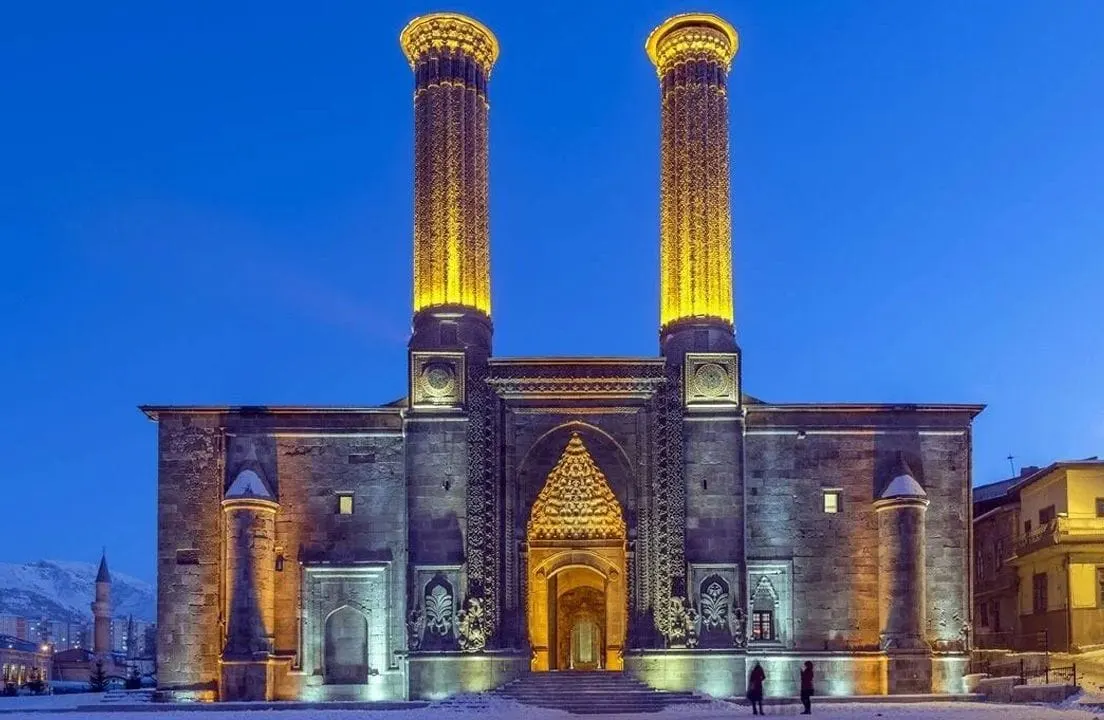
Mention Kars, and what usually comes to mind first are its famously freezing winters, Çıldır Lake blanketed in white snow, or a city center defined by striking historic stone buildings. Yet what truly makes this Eastern Anatolian city unforgettable are the flavors hidden on its tables. Kaşar cheese made from the milk of animals grazing on high-altitude pastures, goose meat rooted in the age-old tradition of preparing for winter, hive honey from the highland meadows of Sarıkamış, and kete fresh out of the oven... Look at Kars through a culinary lens, and it's easy to see why this city ranks high on every food lover's list. Shaped by the cold climate and a strong tradition of animal husbandry, this cuisine lives on today both at the everyday tables of locals and in the spots travelers love to visit. In this article, we've gathered everything you need to know, from how to get to Kars and where to eat, to the best time to visit and the most photogenic spots.
Taste the Flavors of Kars on Our Tour
The best way to experience the flavors described in this article is to taste them on the spot during a trip to Kars. On our tours, our guide stops at the region's well-known restaurants and local food spots.
- Guided stops at local food spots
- Transportation and itinerary all arranged, no planning needed
- Choose between a group tour or a private tour with a vehicle just for your family
You can view dates, prices and the itinerary on the Kars Erzurum Tour page and book online. If you'd like a plan tailored to you or your group, message us on WhatsApp and let's plan your route together.
The Pride of Kars: Kaşar Cheese and Kars Gruyère
Kars kaşar owes its status as one of Türkiye's best-known cheeses to the quality of milk from animals grazing freely on the province's vast highlands and pastures. Fermented and aged using traditional methods, this cheese is enjoyed both fresh and aged. Kars is also home to a lesser-known cheese that is every bit as prized as kaşar: Kars Gruyère, a legacy of the Swiss cheesemakers who settled in the region in the early 20th century. With its hard rind and intense aroma, this cheese is still produced by small family businesses and stands as one of the most authentic examples of the city's dairy culture. Specially produced kaşar, aged for months in cheese cellars, sells for high prices per kilogram at the Kars market and tops the list of souvenirs visitors take home.
Goose, Honey and Other Table Essentials
Another defining element of Kars cuisine is goose meat, shaped by the culture of preparing for winter. Geese slaughtered in October and November are traditionally roasted in a tandoor or oven, while some households dry the meat and store it to last through the long winter months. Some of these local delicacies include:
- Kaz kavurma / kaz dolması: A hearty winter feast slow-cooked in an oven or tandoor, usually served with rice pilaf.
- Kars honey: Hive honey produced in the highland meadows around Sarıkamış and Susuz, known for its distinctively thick texture and rich aroma.
- Kete: A local oven-baked pastry filled with walnuts, cinnamon or sugar, typically served alongside tea.
- Çeçil cheese: A traditional cheese hand-braided into strands, notable for its mildly salty taste and stringy texture.
- Piti: A filling dish somewhere between a soup and a stew, made with lamb, chickpeas and onions slow-cooked in a clay pot, perfect for the cold winter days of Eastern Anatolia.
Where to Eat: Cheese Shops and Goose Restaurants
There's no need to seek out big restaurants to taste local flavors in Kars; the places that best capture the city's character are usually small, family-run eateries. Traditional breakfast houses serving goose kavurma and kaşar-laden breakfasts are common in the streets around the castle and along the main avenues of the city center; they open early in the morning and welcome both locals and travelers to their generous breakfast spreads. For those who want to buy Kars honey and kaşar directly from producers, the small dairy shops in the city center and the neighborhood markets set up on Sundays are among the most reliable options. As for kete and other pastries, picking them up warm from the bakeries is the easiest way to enjoy them at their freshest. In the evenings, if you'd like to try goose kavurma or piti, the traditional tradesmen's restaurants in the city center stand out for their affordable prices and generous portions.
Places to Visit: From Kars Castle to Çıldır Lake
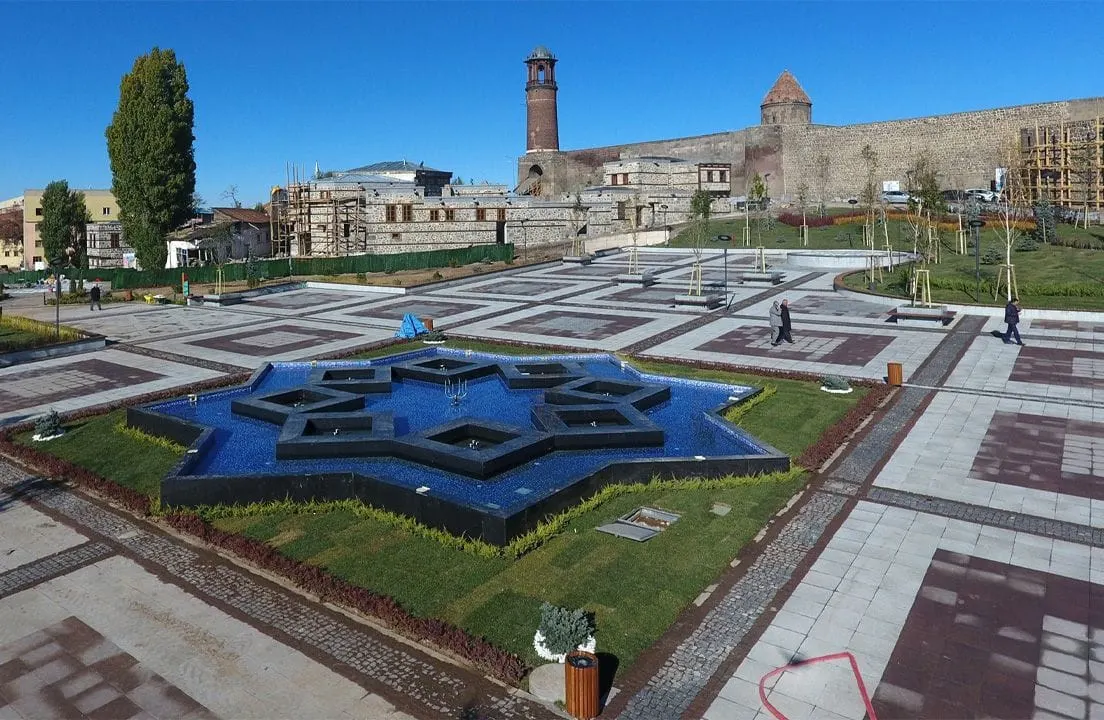
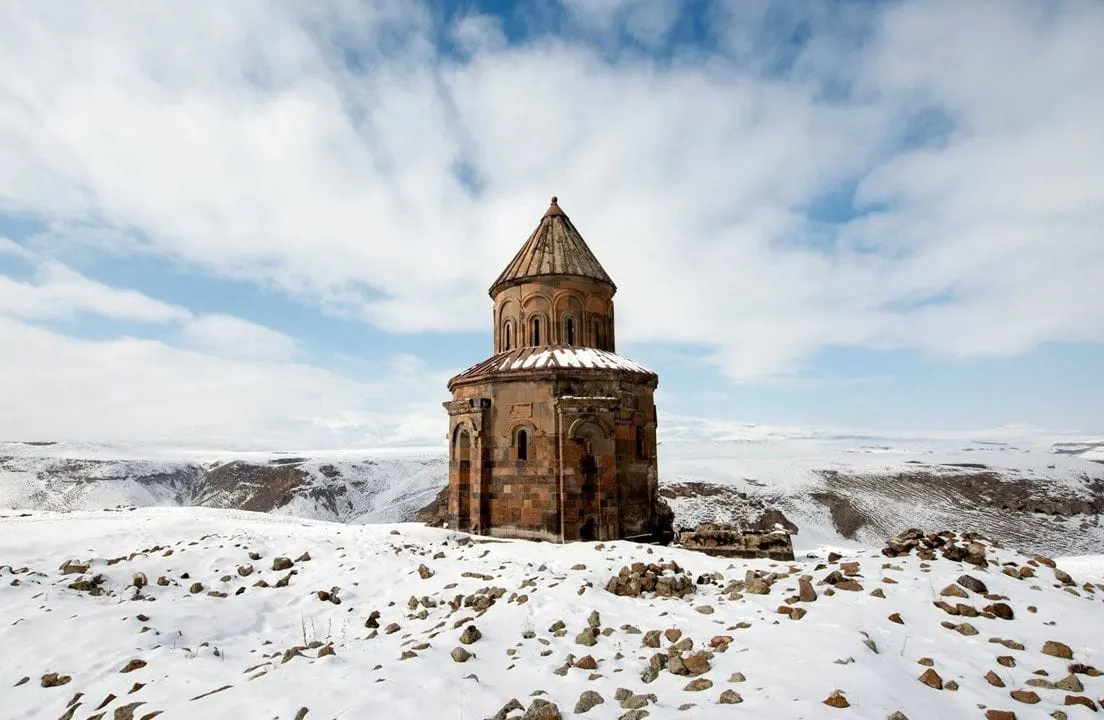
Even if you plan your trip as a food route, you can't leave without exploring Kars. Kars Castle, the city's emblem, offers a chance to take in the whole city and the Kars River from above. The stone bridge at the foot of the castle and the surrounding historic buildings can be explored on a short walk. Located about 45 kilometers east of the city center, the Ani Archaeological Site is one of the most important stops in Kars; with a history spanning more than a thousand years, this ancient city, also known as the "city of a thousand and one churches," is often the place that leaves the deepest impression on travelers. About an hour from the city center, Çıldır Lake hosts horse-drawn sleigh rides on its frozen surface, especially in winter. Those who want to explore the lake and its surrounding villages in more detail can tour the region thoroughly with our Kars Çıldır Tour.
Best Time to Visit: Goose Season or Snow Season?
When you visit Kars largely depends on what you want to experience. The period when geese are slaughtered and kavurma is at its freshest runs from late October through December; during these months, you're more likely to find fresh goose at the city's restaurants. For horse-drawn sleigh rides or ice skating on the frozen surface of Çıldır Lake, January and February are the ideal months, but since temperatures can drop as low as minus 20 degrees during this period, you'll need to come prepared. For milder weather and strolls through lush green pastures, the summer months from June to September offer a more comfortable option for both hiking and photography. Choosing between winter, when goose is at its tastiest, and summer, when nature is at its most vibrant, shows that this trip actually offers two entirely different Kars experiences.
The Best Photo Spots
Shots taken from Kars Castle at sunset, with the sky glowing red behind the castle's silhouette, make for some of the most striking photos of the city. On Çıldır Lake in winter, horse-drawn sleighs gliding across the frozen surface create an almost cinematic scene amid an endless expanse of white; at sunrise, light refracting on the ice makes the view even more breathtaking. At the Ani Archaeological Site, the ruined church arches and the valley stretching out in the background offer a unique composition for both historical and nature photography. The facades of the stone buildings in the city center also hold intriguing details for street photography, especially in the afternoon light. And at the markets, colorful rows of kaşar wheels and honey jars make for charming, food-themed shots.
The History and Cultural Fabric of Kars
Kars has a layered history, having been home to different civilizations over the centuries. One of the first lands where the Seljuks set foot in Anatolia, the region later came under Ottoman and then Russian rule; the Russian period between 1878 and 1918 can still be seen today in the grid-plan street layout of the city center and the stone buildings bearing traces of Baltic architecture. That's why, walking through the center of Kars, you might suddenly feel as if you're in an Eastern European city. The Ani Archaeological Site is the pinnacle of Kars' cultural heritage: once the capital of an Armenian kingdom in the 10th century and home to thousands of churches, mosques and palaces at the crossroads of trade routes, this city is now on the UNESCO World Heritage Tentative List. At the root of delicacies like kaşar and goose lies this multicultural, livestock-based farming tradition; in this sense, the city's cuisine and its history are two inseparable parts of the same story.
Practical Tips
If you're visiting Kars in winter, be sure to pack thick, layered clothing, waterproof boots and thermal underwear; temperatures in the city can drop as low as minus 20 degrees at night. If you'd like to take kaşar cheese and honey back home, choosing vendors that offer vacuum packaging will help keep the products fresh. If you're planning to travel on the Doğu Ekspresi, remember that tickets, especially for the winter season, need to be booked months in advance. Since the Ani Archaeological Site is close to the border, it's a good idea to carry your ID during your visit and check the opening hours in advance. Don't hesitate to bargain when shopping with local vendors; at the neighborhood markets held on Sundays in particular, you'll find better prices as well as the chance to chat with the producers.
Kars is one of those rare cities that offers an unforgettable experience not only through its landscapes but also through its tables. Choose the right time and route for this culinary journey, from kaşar to goose and from honey to kete, and you'll return home with both satisfying memories and flavors you'll never forget.