
What to Eat in Southeastern Anatolia: A Food Guide to Gaziantep, Şanlıurfa and Mardin
When it comes to Anatolia's culinary riches, the Gaziantep, Şanlıurfa and Mardin triangle is one of the first regions that comes to mind. Shaped by thousands of years of Mesopotamian culture, Silk Road trade and many peoples living side by side, the cuisine of these lands forms one of the richest and most diverse flavor maps in Türkiye. For travelers exploring all three cities on the GAP Tour route, knowing what to eat and where becomes the most enjoyable part of the trip. This guide covers everything you need to know about Southeastern Anatolian cuisine, from its must-try dishes and where to find them to the best time to visit and tips for photography.
Gaziantep Cuisine: The Capital of Baklava and Pistachios
In 2015, Gaziantep became the first Turkish city to join the UNESCO Creative Cities Network in the field of gastronomy, earning it a special place in the culinary world. Pistachio baklava, now the city's symbol, is a world-famous dessert known for its paper-thin layers of pastry and generous helping of Antep pistachios. But Gaziantep's cuisine goes far beyond baklava: Ali Nazik, where minced meat meets smoky eggplant purée; Katmer, wrapped in delicate pastry dough; Beyran, a spicy, garlicky soup-like dish; and a kebab culture with hundreds of varieties all grace the city's tables. The Zincirli Bedesten in the city center and the spice, dried fruit and pistachio shops around it are must-see stops for both shopping and strolling.
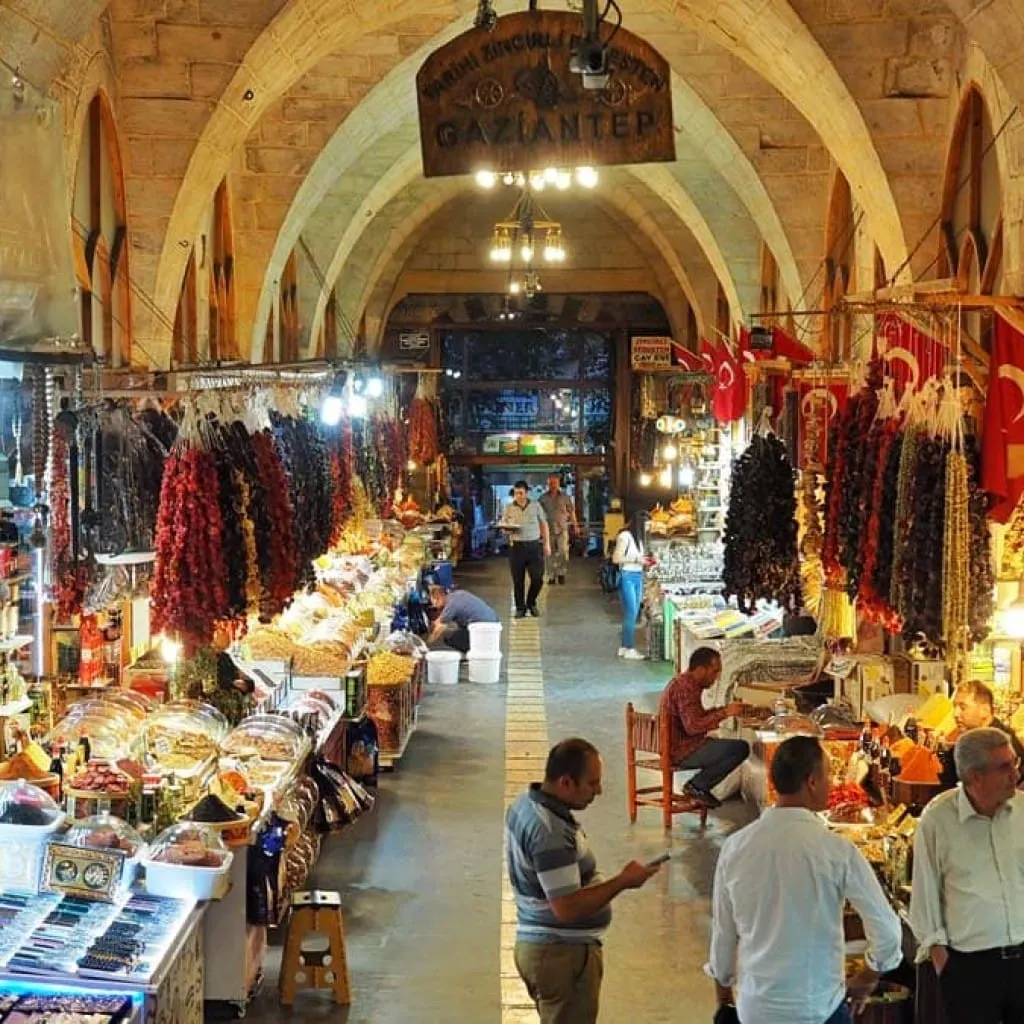
As you wander the city in the morning, a Gaziantep breakfast spread with şirden cheese, a variety of olives and warm pide is one of the best ways to start the day. After visiting the Zeugma Mosaic Museum, heading down to the city center for a plate of minced meat kebab or sipping tea with a katmer is an essential part of any visit to Gaziantep. If you'd like to explore this route with us, our GAP Turu program offers an itinerary that includes Gaziantep.
Şanlıurfa's Fiery Flavors: Çiğköfte, Kebab and Isot
The first thing that comes to mind with Şanlıurfa cuisine is isot pepper, whose spicy yet smoky aroma finds its way into nearly every dish in the city. Çiğköfte, kneaded from bulgur, finely minced meat and spices, shaped by hand and eaten wrapped in a lettuce leaf, is the city's best-known specialty. Alongside it, Urfa kebab wrapped in thin, flat bread, lahmacun served with onions and sumac, and on the sweet side, unique treats like eggplant dessert are all part of the city's culinary identity. Another hallmark of Şanlıurfa is that dishes are usually prepared with generous amounts of butter, making the flavors rich yet unforgettable. In the morning, şirden tea served with a hearty Şanlıurfa breakfast gets your day off to an energetic start.
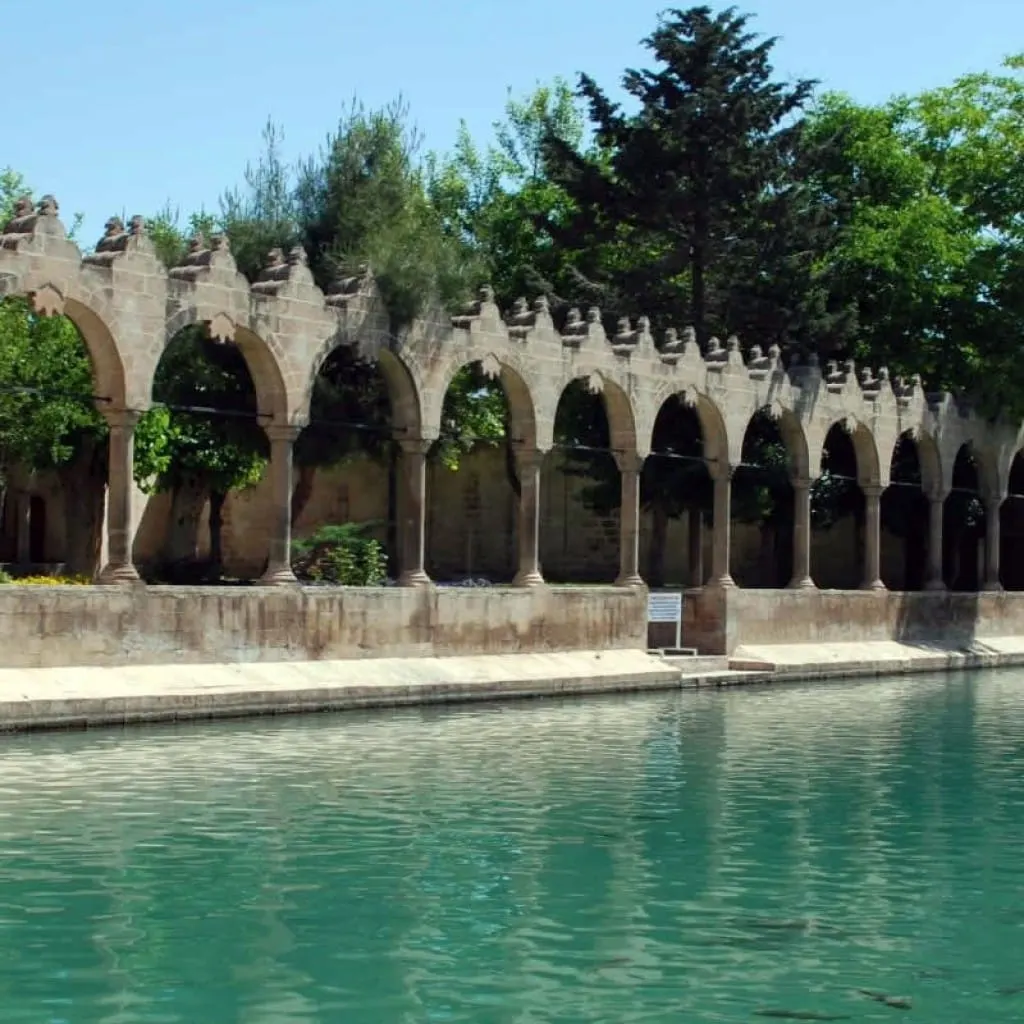
Sarayönü Caddesi and the nearby streets around Balıklıgöl are home to the city's most famous çiğköfte makers and liver kebab spots; in the evenings, the restaurants here overflow with locals and visitors alike.
Mardin's Tables: Thousand-Year-Old Flavors Among Stone Houses
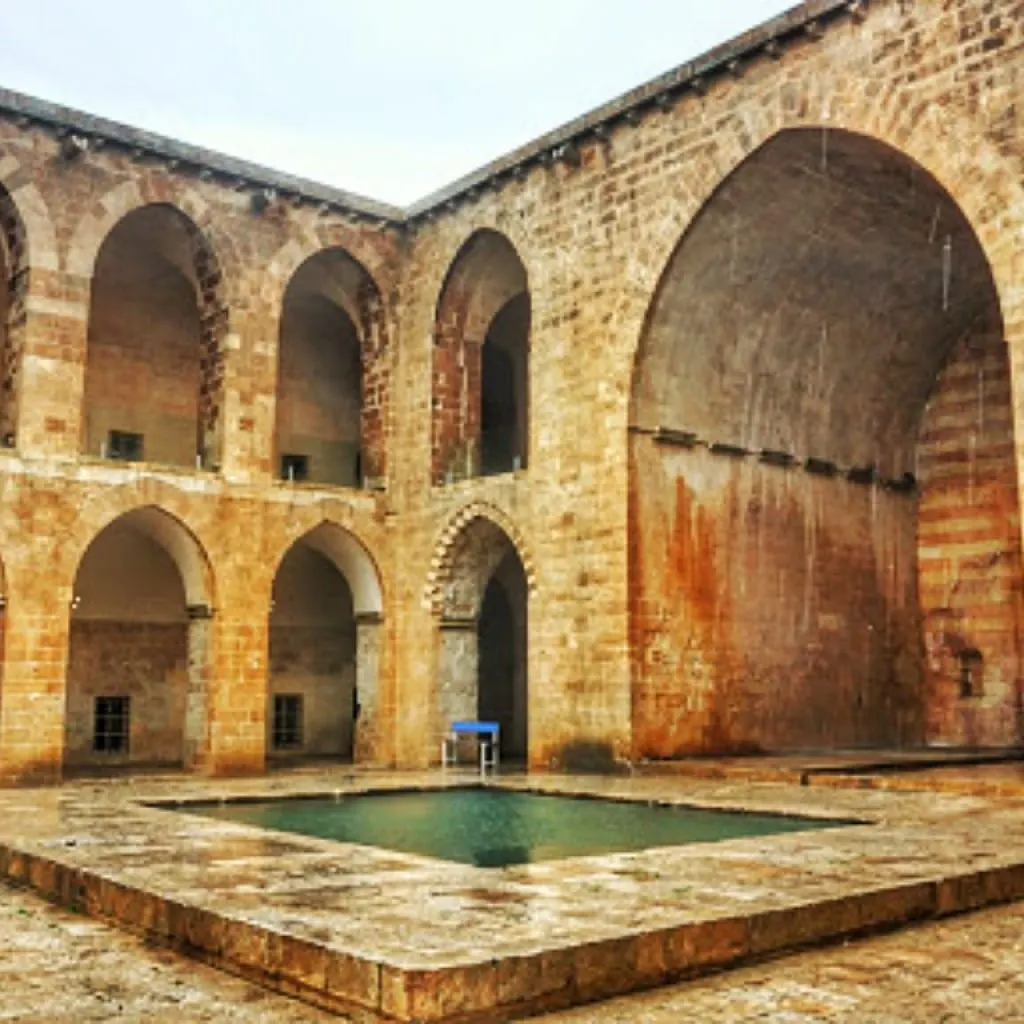
Mardin's cuisine reflects the city's multicultural past: it is a rich culinary culture born from centuries of blending Syriac, Arab, Kurdish and Turkmen traditions. Dishes such as kaburga dolması, lamb ribs stuffed with spiced rice and baked in the oven; İliç, made with fine bulgur and meat; and Sembusek, made with lentils and bulgur, are among the standouts of Mardin's tables. Mırra, the traditional Mardin coffee brewed strong and frothy and served in tiny cups, is offered in homes and coffeehouses as a symbol of hospitality. Traditional Mardin wine, produced in the city's Syriac neighborhoods, is also a testament to the region's ancient winemaking heritage. After visiting the Deyrülzafaran Monastery outside the old city, dining in a courtyard at one of the restaurants housed in converted stone mansions on your way back into town becomes an inseparable part of the Mardin experience.
Taste Southeastern Flavors on Location with the GAP Tour
The best way to enjoy the flavors described in this article is to taste them on location during a trip to Gaziantep, Şanlıurfa and Mardin. On our tours, our guide takes you to the region's well-known restaurants and local food stops.
- Guided local food stops
- Transportation and itinerary all arranged, no planning needed
- Choose between a group tour or a private tour with a vehicle for your family
You can view dates, prices and the itinerary on the GAP Turu page and book online. If you'd like a plan tailored to you or your group, message us on WhatsApp and let's plan your route together.
Best Time to Visit
The region is known for summer temperatures that can reach 40 degrees, so the ideal times for sightseeing and food experiences are spring (April-May) and autumn (September-October). Late September and October also coincide with the Antep pistachio harvest, so visiting Gaziantep during this period gives you the chance to taste fresh pistachios and pistachio treats at their very best. While the winter months offer a quieter trip, some open-air venues and markets may operate on shorter hours.
Where to Eat: Places You Should Try
In Gaziantep, you can visit places like İmam Çağdaş, which has become a city icon for both its kebabs and its baklava, as well as historic coffeehouses like Tahmis Kahvesi, with a history spanning more than a century. In Şanlıurfa, the traditional liver kebab and köfte spots around Sarayönü offer an authentic experience. In Mardin, the restaurants set in courtyard mansions along the stone streets of the old city stand out for combining stunning views with local cuisine. These places tend to get busier in the evenings, so reserving a table early can be a good idea.
The Best Photo Spots
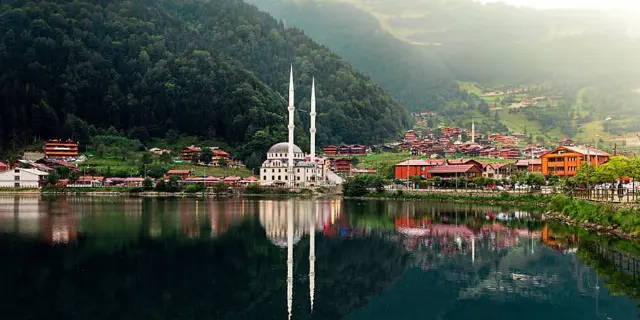
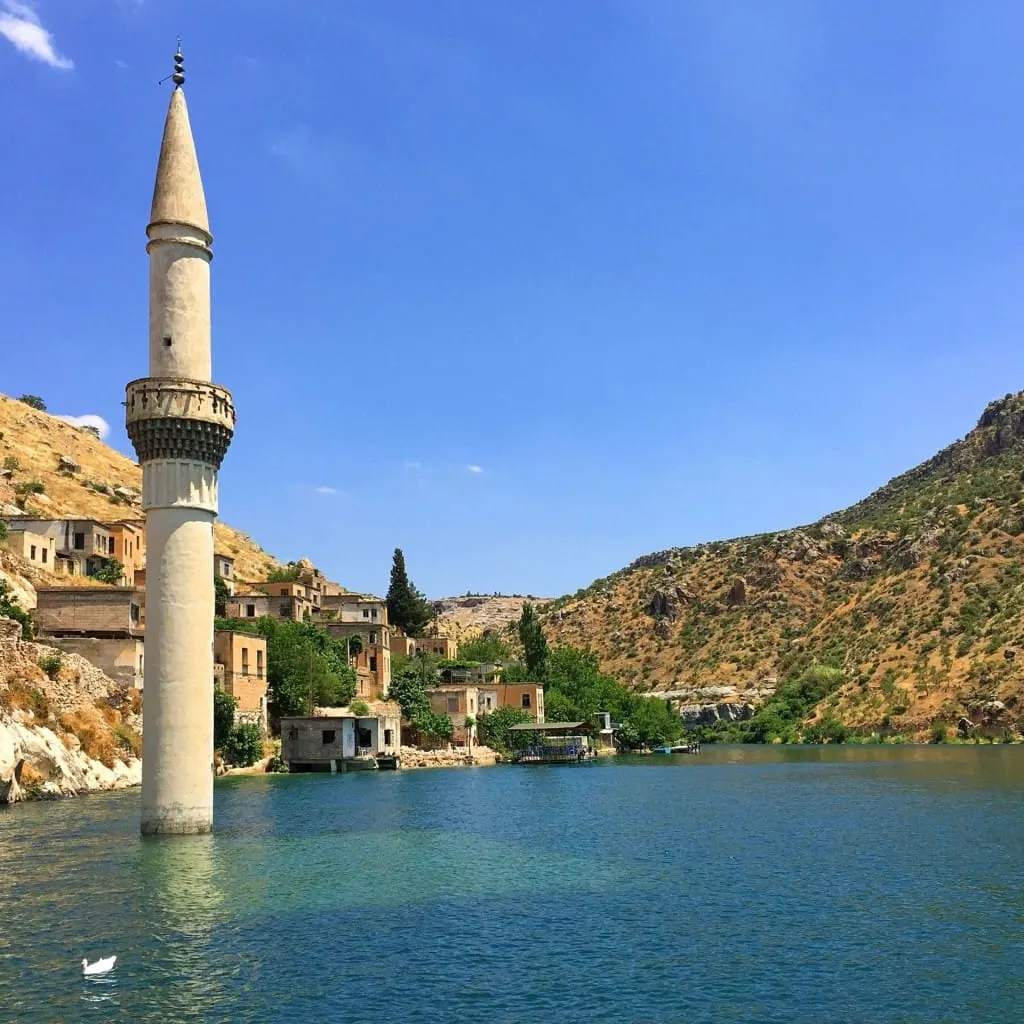
One of the most photogenic spots in Southeastern Anatolia is Halfeti, on the GAP route. This scene, where only the minaret of a historic mosque submerged by dam waters rises above the surface, is reached by boat tour and has become a frequently shared image on social media, especially in shots taken at sunset. In Şanlıurfa, the reflections on Balıklıgöl in the evening light, and in Gaziantep, the colorful piles of spices and pistachios at the Zincirli Bedesten are among the details most often captured on camera. In Mardin, photographing the stone houses of the old city and the plain views at sunrise yields some of the region's most special shots.
Historical and Cultural Significance
All three cities lie in one of Mesopotamia's oldest areas of settlement, and their location at the crossroads of millennia-old trade routes explains the richness of their culinary cultures. Balıklıgöl in Şanlıurfa is associated in local tradition with the legend of Prophet Abraham, in which the fire he was thrown into turned into roses and the firewood into fish, and it is one of the city's sacred sites. Mardin's stone architecture and its multi-faith, multilingual character are the most tangible proof that different communities have lived side by side for centuries; the city's Deyrülzafaran Monastery is known as one of the oldest Syriac monasteries still active today. Gaziantep, meanwhile, has carried a tradition of trade and craftsmanship stretching from ancient settlements like Zeugma to the present day into its cuisine. These historical layers remind us that every dish eaten in the region carries a story thousands of years in the making.
Practical Tips
- Isot pepper and regional dishes can be quite spicy; if you're sensitive to heat, it's worth mentioning when you order.
- Temperatures are high in summer, so carry plenty of water and plan your sightseeing for early morning or late afternoon.
- When buying pistachios, spices or dried fruit and nuts at the bazaars, comparing prices and bargaining is a common part of the shopping culture.
- During Ramadan, some restaurants may be closed during the day; it's a good idea to plan your visit accordingly.
- Mardin's stone streets are steep and cobbled, so wearing comfortable shoes will make your trip much easier.
- Traditional offerings like Mırra are usually served in small cups over several rounds; gently shaking your cup is a polite way to signal that you've had enough.
When Gaziantep's dessert and kebab culture, Şanlıurfa's fiery flavors and Mardin's thousand-year-old dining traditions come together, the result is one of Türkiye's most unforgettable culinary routes. If you'd like to experience all three cities in a single trip, check out our GAP Turu page to see the route and program details.