
What to Eat in Batumi and Tbilisi? Must-Try Dishes of Georgian Cuisine
Just one border away from the Black Sea coast, Georgia's colorful streets and rich cuisine are waiting for you. The journey begins the moment you cross the Sarp Border Gate, and as Batumi's modern seafront meets Tbilisi's historic charm, it becomes an unforgettable adventure for your taste buds too. In this guide, you'll find everything in one place: what to see in Batumi and Tbilisi, which dishes you absolutely must try, the best photo spots and practical tips.
Top Places to Visit in Batumi and Tbilisi
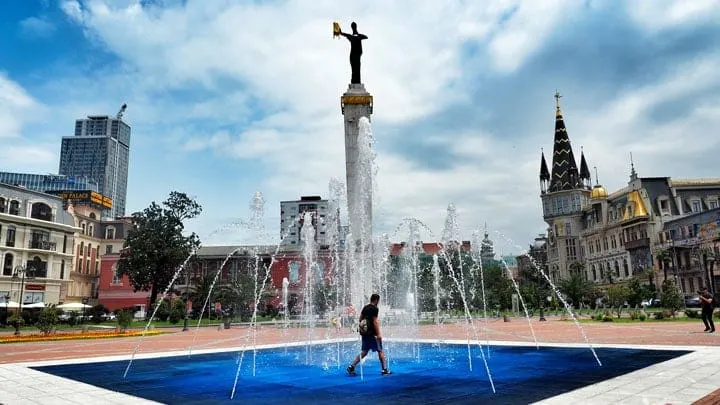
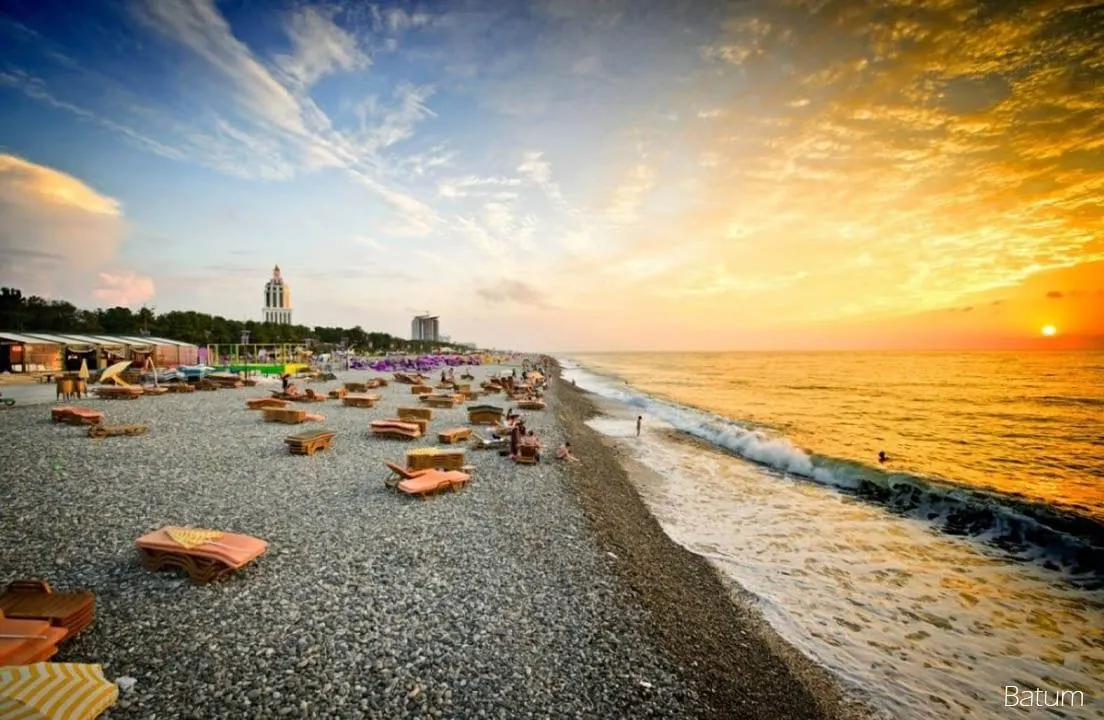
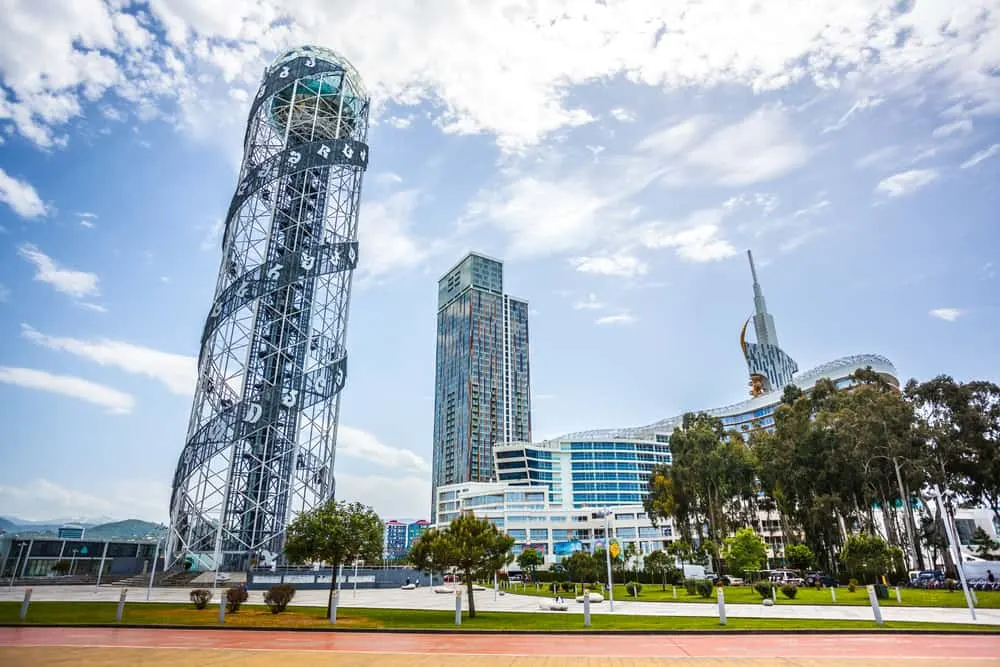
Batumi is the capital of the Autonomous Republic of Adjara and one of the liveliest seaside cities on the Black Sea. The roughly six-kilometer Batumi Boulevard, Piazza Square with its Italian-style architecture, Europe Square and the 130-meter Alphabetic Tower are among the city's most visited sights. The moving Ali and Nino statue on the seafront, whose figures glide toward and away from each other, is also a visitor favorite.
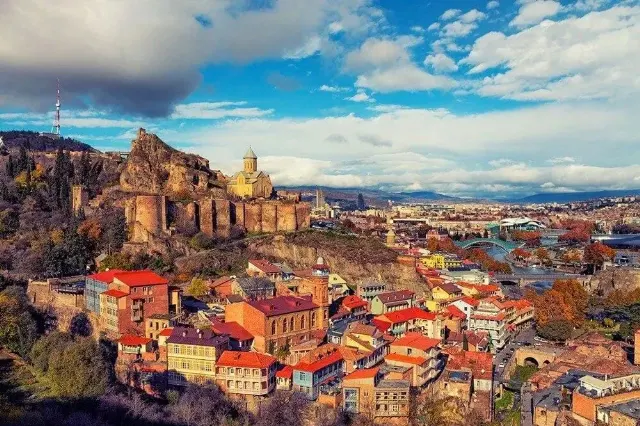
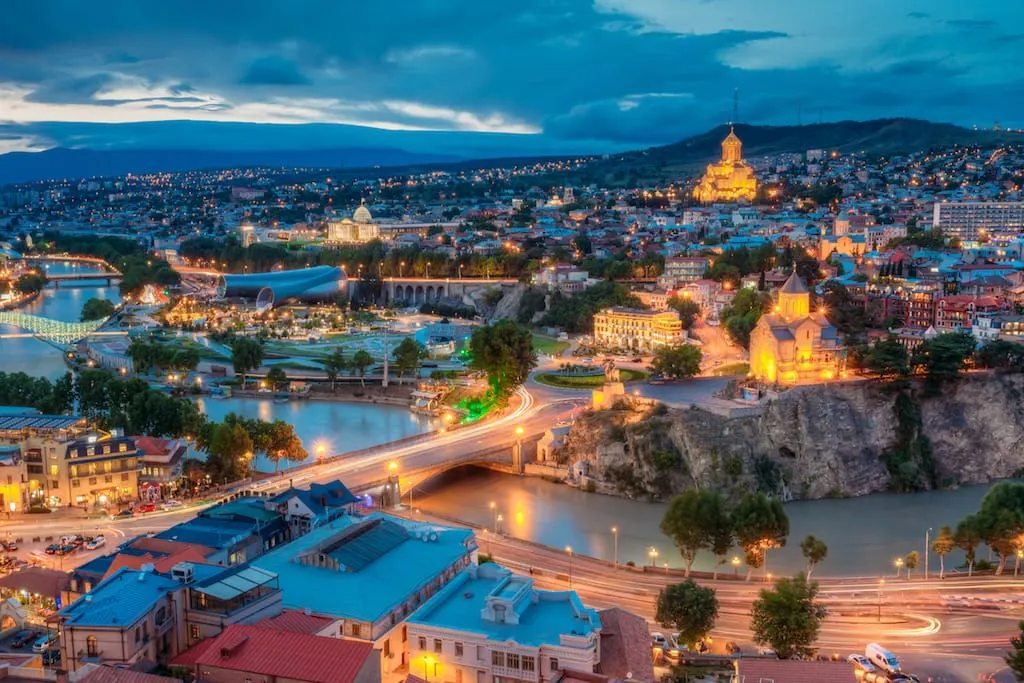
Tbilisi offers an entirely different atmosphere: with its narrow cobblestone streets, the Abanotubani district famous for its sulfur baths, the more than four-century-old Narikala Fortress, and the Old Town whose rooftops glow golden at sunset, the capital feels like an open-air museum. The glass Bridge of Peace over the Mtkvari River and Rustaveli Avenue are other stops that reflect the city's modern face.
Taste Georgian Flavors on the Spot with Our Tour
The best way to enjoy the dishes described in this article is to taste them on the spot during your Batumi and Tbilisi trip. On our tours, our guide stops at the region's well-known restaurants and local food spots.
- Guided stops at local food spots
- Transportation and itinerary all set, no planning needed
- Choose a group tour or a private tour with a vehicle just for your family
You can check dates, prices and the itinerary on the Batumi Tbilisi Tour page and book online. If you'd like a plan tailored to you or your group, message us on WhatsApp and let's plan the route together.
Best Time to Visit
For enjoying Batumi's beaches, May to September is ideal in terms of sea temperature and open-air cafés. Tbilisi, on the other hand, is both mild and less crowded in April–May and September–October. If you visit in autumn, you may even catch Rtveli, Georgia's grape harvest festival, and join a tasting of wine made from freshly picked grapes. In winter, Tbilisi slows to a calmer pace, and exploring the city with a steaming plate of khinkali is a special pleasure all its own.
Must-Try Dishes of Georgian Cuisine: What to Eat?
Shaped at the crossroads of Black Sea and Caucasian cultures, Georgian cuisine is one of the richest in the world. Here are the dishes you simply must try:
- Adjaruli Khachapuri: This boat-shaped cheese bread, topped with an egg yolk and butter, comes straight from Adjara, the very region where Batumi is located. Stir it while it's hot and eat it by tearing off pieces of the crust.
- Khinkali: A dumpling-like delicacy filled with spiced minced meat and its juices, gathered and twisted shut at the top. It's eaten by hand, and the 'knot' on top is usually left on the plate.
- Mtsvadi: Skewered meat typically grilled over grapevine wood, an essential main course at any Georgian table.
- Badrijani Nigvzit: Thinly sliced fried eggplant rolled around a walnut paste, a meze that's both light and satisfying.
- Churchkhela: Also known as 'Georgian Snickers', this street snack is made by threading walnuts or hazelnuts onto a string, dipping them repeatedly into a mixture of flour and grape juice, and then drying them.
- Lobio: A hearty red bean dish, usually cooked in a clay pot and served with mchadi, a type of cornbread.
- Pkhali: A cold meze made by blending vegetables such as spinach, beetroot or cabbage with ground walnuts, garlic and spices; it's usually garnished with pomegranate seeds.
- Qvevri Wine: Fermented with their skins in large clay vessels (qvevri) buried in the ground, these amber-colored wines are the product of an 8,000-year-old tradition and are inscribed on UNESCO's Intangible Cultural Heritage list.
Where to Eat?
In Batumi, the restaurants along the seafront serve fresh seafood and Adjaruli khachapuri side by side, while the cafés on Batumi Boulevard are perfect for an afternoon coffee and dessert break. At the city's markets, you can find fresh fruit, honey and churchkhela from local producers. In Tbilisi, khinkali and mtsvadi are enjoyed at long tables in traditional 'dukani'-style eateries in the Old Town; Fabrika, a converted old factory, offers a young and alternative vibe, while Dezerter Bazaar is the most colorful stop for sampling street food and buying spices.
The Most Beautiful Photo Spots
In Batumi, the illuminated Alphabetic Tower at sunset and sea views captured from the boulevard are among the most shared shots. In Tbilisi, framing the Old Town's red rooftops and the Mtkvari River from Narikala Fortress at sunrise is the way to capture the city at its most stunning. The Bridge of Peace lit up at night and the domed bathhouse roofs of Abanotubani are also must-see spots for photography lovers.
Historical and Cultural Significance
The region's history stretches back to antiquity: the Black Sea coast, where Batumi lies, was part of the legendary Kingdom of Colchis, to which the Argonauts of Greek mythology set sail in search of the Golden Fleece. The founding of Tbilisi is based on a legend attributed to King Vakhtang Gorgasali in the 5th century; when a falcon wounded during a hunt fell into a hot sulfur spring and was healed, the king decided to build a city on that very spot, and the name Tbilisi was born from the word 'tbili', meaning 'warm'. Georgia was one of the first countries to adopt Christianity as its state religion in the early 4th century AD, a legacy that still lives on in the city's churches and monasteries. The 'supra', the feast culture at the heart of Georgian cuisine, is also part of this history: with its tradition of long toasts led by a 'tamada', or toastmaster, hospitality is considered almost sacred in Georgian culture.

Practical Tips
Georgia's currency is the Georgian Lari (GEL); although Turkish Lira is accepted in some places, it's safer to carry your cash in Lari or dollars/euros. Under current regulations, Turkish citizens can generally travel visa-free, but it's still a good idea to check your passport's validity and the latest entry requirements before you set off. Although Georgian is written in its own unique alphabet, English is useful in tourist areas and Russian can help when communicating with older generations. Don't forget comfortable shoes for Tbilisi's hilly Old Town streets, and sunscreen and a hat for Batumi in summer. Eating khinkali with your hands rather than a knife and fork, and leaving the knot on the plate, is part of respecting local customs. For a relaxing holiday free from the stress of border crossings and route planning, you can explore these two cities with peace of mind on our Batumi Tour.
Final Thoughts
Exploring Batumi's modern seafront together with Tbilisi's historic streets offers a travel experience that's a feast for both the eyes and the palate. Before setting off on this culinary journey, from Adjaruli khachapuri to khinkali and from qvevri wine to churchkhela, planning your route, accommodation and border crossing details will make your holiday all the more enjoyable. Whether you go on a quick day trip or a comprehensive tour covering both cities, the warm and hospitable spirit of Georgian cuisine will call you back to these lands time and again.