
Things to Do in Rhodes: A Guide from History to Hidden Coves
Sitting where the Aegean meets the Mediterranean, just a short ferry ride from the Turkish coast, Rhodes is a Greek island that captivates visitors with both its history and its natural beauty. With its medieval stone streets, turquoise coves and olive-covered hills, Rhodes is the perfect destination for anyone who wants to combine history and a beach holiday in a short getaway. The largest of the Dodecanese islands, it has been home to many civilizations over the centuries, and its streets still carry that legacy today. According to Greek mythology, the island takes its name from Rhode, a nymph beloved by the sea god Poseidon, and this legendary connection alone helps explain why it is known as the "island of the sun." In this article, we have brought together everything you need to know, from the island's top sights and cuisine to getting there and the best photo spots.
The History and Cultural Significance of Rhodes
The history of Rhodes stretches back to antiquity. The island's capital, Rhodes Town, was founded in 408 BC and quickly became one of the most important trading ports in the Eastern Mediterranean. The giant Colossus, one of the Seven Wonders of the Ancient World and a representation of the sun god Helios, towered over the harbor entrance until the great earthquake of 226 BC. Although the statue collapsed, the fact that its name is still synonymous with Rhodes shows just how powerful the city was in ancient times.
The era that truly shaped the island's present-day architecture, however, was the rule of the Knights of St. John (the Knights Hospitaller), who governed Rhodes from 1309 to 1522. The Knights encircled the city with mighty walls and built the Street of the Knights and the Palace of the Grand Master. Today, the Old Town of Rhodes is a UNESCO World Heritage Site and is considered one of the best-preserved medieval cities in Europe. After coming under Ottoman rule in 1522, the island was enriched over the centuries with mosques, hammams and fountains; the Süleymaniye Mosque and several Ottoman cemeteries from this period can still be seen in the Old Town. Taken over by the Italians in 1912, the island was further shaped by monuments restored during this period and new buildings in the Italian style, before finally joining Greece in 1948. Thanks to this layered past, you can see Byzantine, Ottoman, Italian and Greek influences side by side as you explore the island today. In summer, the sound and light shows held in the courtyard of the Palace of the Grand Master are among the moments when the city transforms into a grand theater stage.
Things to Do in Rhodes
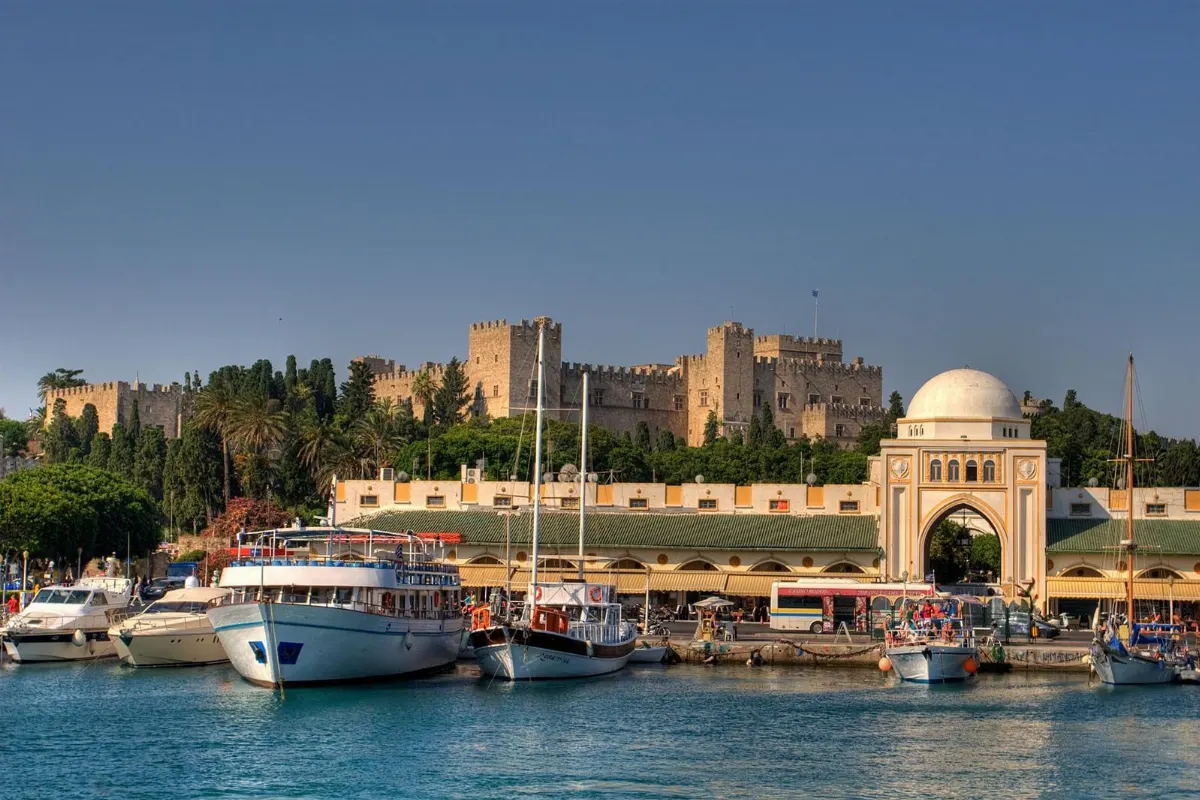
The Old Town of Rhodes is considered the heart of the island. As you wander its narrow cobblestone streets, be sure to see the Street of the Knights, the Palace of the Grand Master and Mandraki Harbor with its deer statues, which have become the symbol of the city; legend has it that the Colossus stood right at the entrance to this very harbor. The medieval windmills just above the harbor are also among the city's most photographed landmarks. In the New Town, shopping streets lined with boutiques, jewelry workshops and leather goods stores stretch out before you; handmade ceramics and olive oil soaps are popular souvenirs.
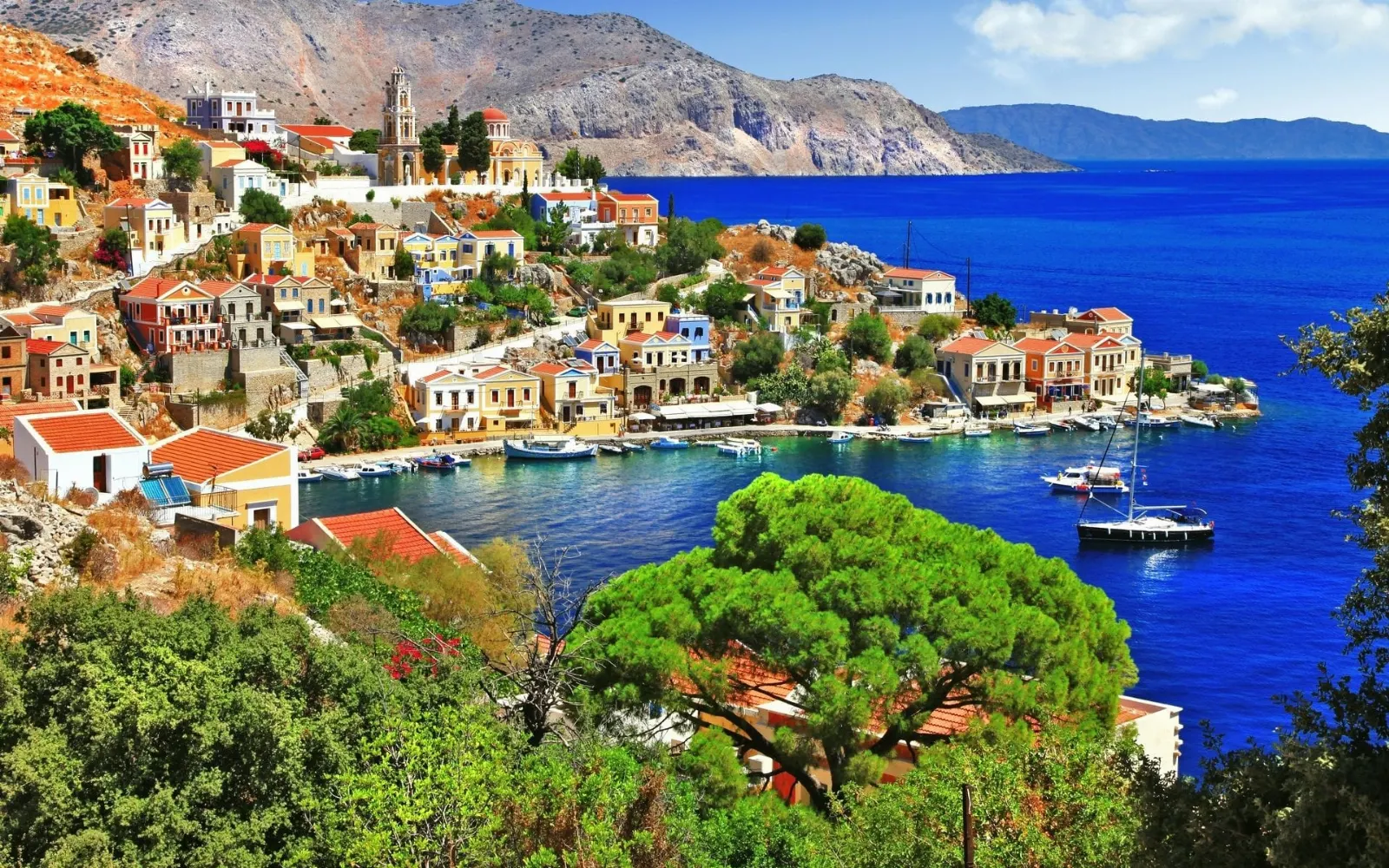
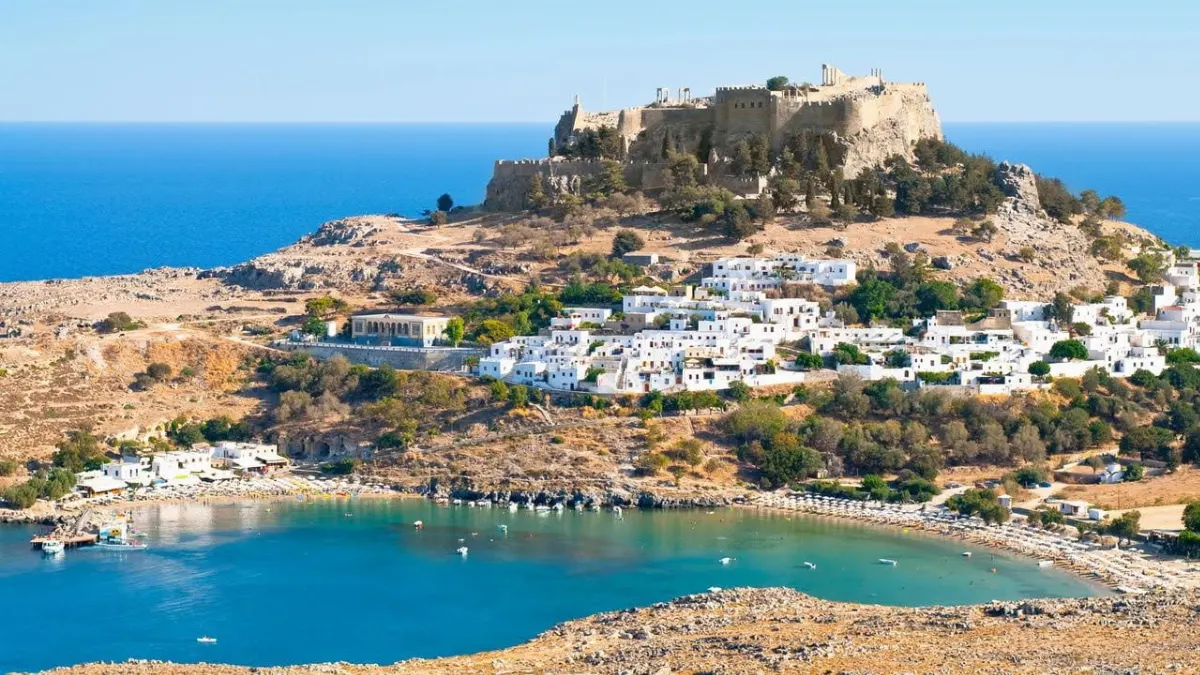
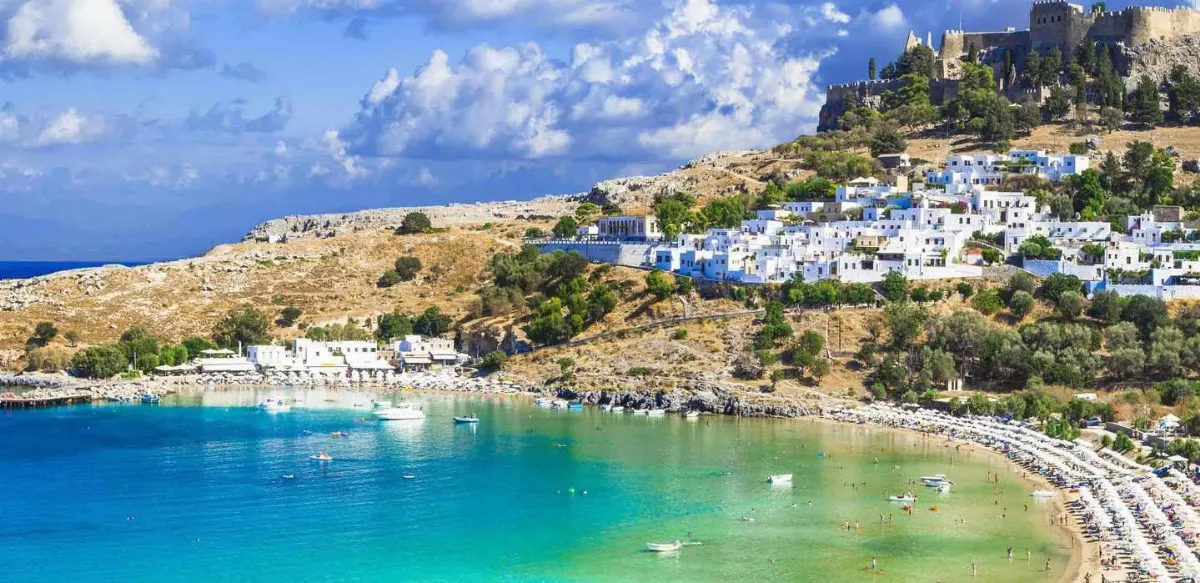
The village of Lindos in the south of the island, with its whitewashed houses and ancient Acropolis perched on the hilltop, is one of the most photogenic spots in Rhodes. For those who prefer, donkey rides are also available on the uphill path to the Acropolis. Anthony Quinn Bay, named after a film shot here, is a small cove famous for its crystal-clear waters framed by pine trees. For nature lovers, the Valley of the Butterflies (Petaloudes) and the Seven Springs (Epta Piges) are shady valleys that offer a refreshing escape in the summer months; the butterflies that give Petaloudes its name fill the valley between June and September. At the island's southern tip, Prasonisi Cape is a fascinating geographical spot where the Aegean and the Mediterranean meet, drawing windsurfers from all over. The Art Nouveau architecture of Kallithea Springs, the peaceful atmosphere of Filerimos Monastery amid the pine forests, and the dramatic clifftop setting of Monolithos Castle are other stops worth adding to your itinerary. If you have time, a day trip by boat to the nearby small island of Symi offers an unforgettable experience with its colorful neoclassical houses, and most boat tours also make swimming stops at pristine coves along the way.
How to Get to Rhodes? A Ready-Made Package Tour
Handling border crossings, transportation and route planning on your own can be tiring on a trip to Rhodes. When you travel with Sümela Tur, our experienced team plans the journey while you explore the city with our guide.
- A tour with transportation, route and itinerary all planned
- Sightseeing accompanied by a guide who knows the region
- The assurance of a TÜRSAB-certified agency
- A choice of group tour or private tour with a vehicle for your family
You can view dates, prices and the itinerary on the Rhodes Tour page and book online. If you'd like a plan tailored to you or your group, message us on WhatsApp and let's create your route together.
The Best Time to Visit Rhodes
The ideal time to visit Rhodes is from April to June and from September to October, when the weather is mild and crowds are relatively thin. During these months, the sea is warm enough for swimming, the narrow streets of the Old Town are free of summer crowds, and hotel prices are more affordable than in peak season. July and August are the hottest and busiest months for tourism; however, the strong Meltemi wind that blows during this time creates ideal conditions for windsurfing and kitesurfing, especially at Prasonisi. Winter is a quiet but colder season when most hotels and restaurants are closed, so it's worth keeping this in mind when planning your trip. On the other hand, winter offers a special charm for those who want to explore the Old Town in a peaceful atmosphere, away from the crowds.
Rhodes Cuisine: What to Eat and Where
Rhodian cuisine brings together the classics of Greek cooking with the Aegean's abundant olive oil and culture of fresh ingredients. Among the must-try dishes are pitaroudia (fried fritters made with chickpeas and herbs), unique to the island; melekouni, a traditional sweet made from sesame and honey served at weddings; horiatiki (Greek salad), prepared with fresh tomatoes, cucumbers, olives and feta cheese; dolmades, rice wrapped in vine leaves; and loukoumades, small dough puffs soaked in honey syrup. In addition, grilled fresh octopus and squid, vegetable dishes cooked in olive oil, CAIR wines produced from the island's own vineyards and anise-scented ouzo enjoyed after a meal are staples of every table. The most popular places to eat are the traditional tavernas tucked away in the narrow streets of the Old Town, the fish restaurants around Mandraki Harbor and the small sea-view cafés in Lindos; it's usually best to ask about the catch of the day and order accordingly. If your visit coincides with late-summer events such as the Rhodes Wine Festival, you can sample a variety of the island's wines all in one place.
The Best Photo Spots
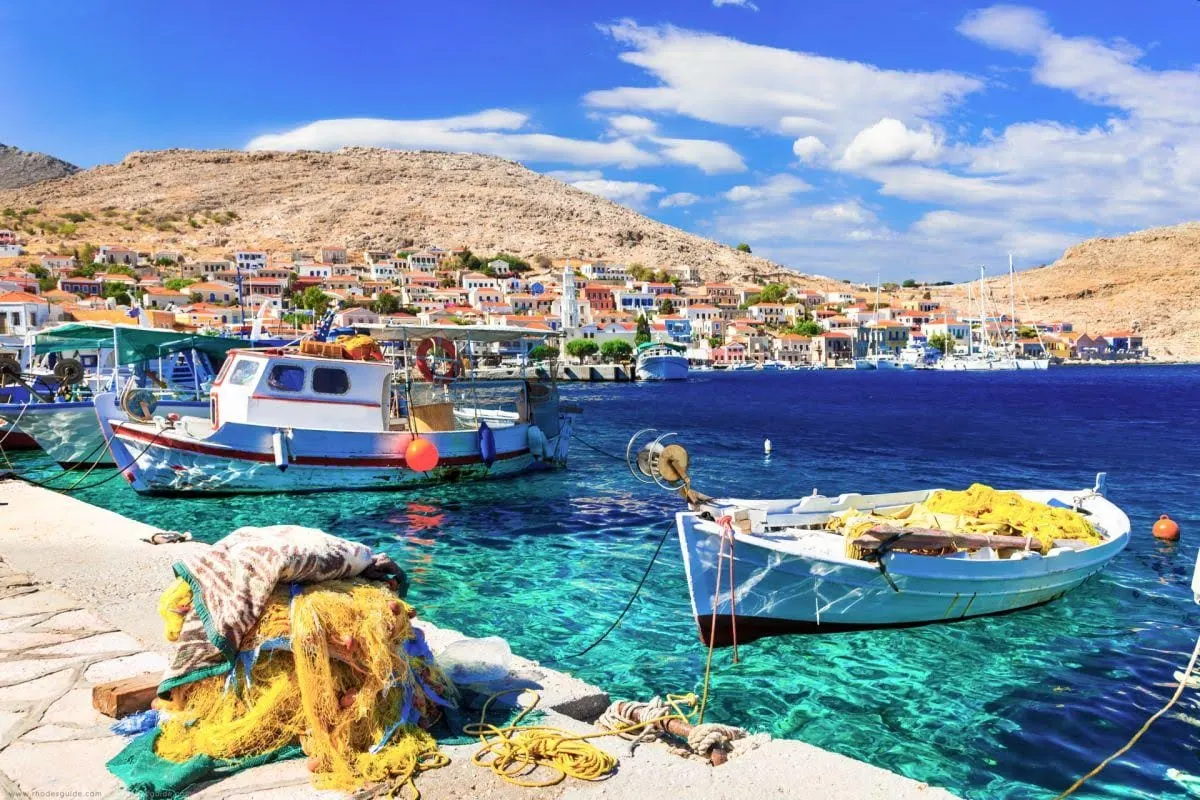
Watching the sunset in front of the windmills and deer statues at Mandraki Harbor is one of the most stunning shots you can capture in Rhodes. The view from the Acropolis of Lindos, with its combination of white houses and deep blue sea, looks just like a postcard; going early in the morning before the crowds arrive gives you both better light and a calmer setting for photos. The clear turquoise waters of Anthony Quinn Bay and boat trips to the small islets nearby also offer wonderful opportunities for social-media-worthy shots. Strolling through the medieval lanes of the Old Town, between stone walls and ivy-draped façades, you can capture natural, authentic photos as well. On boat tours to Symi, the colorful neoclassical houses surrounding the harbor are a favorite subject for photographers; and at Prasonisi, if you want to see the line where the two seas meet from above, all you need to do is climb the sand dunes.
Practical Tips for Your Trip to Rhodes
- The cobblestone streets of the Old Town require a lot of walking, so opt for comfortable, non-slip shoes.
- The sun is very strong in summer, so don't forget to bring a hat, sunscreen and plenty of water.
- The island uses the Euro; carrying cash makes things easier at small tavernas and craft shops, while credit cards are generally accepted at larger businesses.
- If you want to visit the Acropolis of Lindos or the Palace of the Grand Master without the crowds, go early in the morning.
- When visiting religious or historic sites such as monasteries and castles, wearing clothes that cover your shoulders and knees is a respectful choice.
- If you're traveling by ferry, remember to bring your passport and check border crossing times in advance.
- Even if you're not planning to do wind sports at Prasonisi, choose the morning or evening hours rather than spending long stretches on the beach at midday, when the wind is at its strongest.
- Distances on the island can be longer than they appear; if you plan to visit several places in one day, planning ahead will save you time.
- Since Greece is a member of the European Union, roaming rates from Turkish operators may vary; arranging a suitable data package before your trip will make navigation and photo sharing easier.
In short, Rhodes is a getaway surprisingly close to Turkey that brings a layered story to life on a single island, from ancient mythology and medieval knights to Ottoman traces and today's turquoise coves. If you'd like to see the historic charm and turquoise coves of Rhodes with your own eyes, you can explore this unique island in comfort and with a well-planned itinerary on our Rhodes Tour.