
Things to Do in Tbilisi: A Travel Guide to Georgia's Enchanting Capital
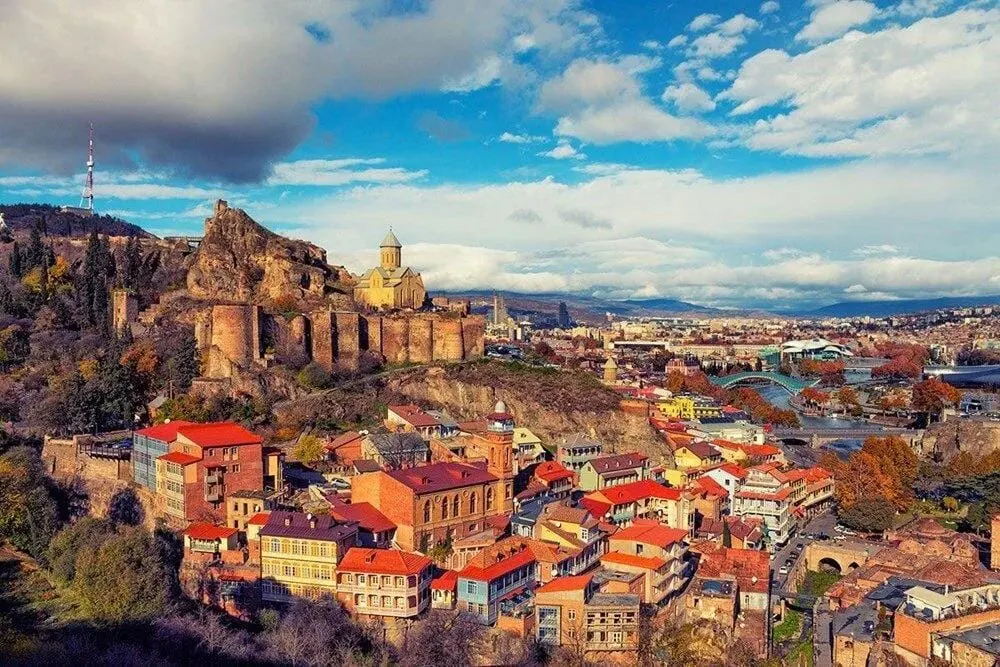
Tbilisi, one of the most vibrant cities in the Caucasus, has become a favourite destination for travellers from Türkiye in recent years, thanks to its narrow streets, sulphur baths, colourful façades and lively nightlife. Just a few hours' journey from Trabzon, Georgia's capital offers a rewarding experience even on a short break, with its historic charm and modern character. Here, East meets West and tradition blends with modernity, and every corner has its own story to tell. In this guide, we've gathered everything you need to know, from the top things to see in Tbilisi to getting there, the best time to visit and the local cuisine.
Top Places to Visit in Tbilisi
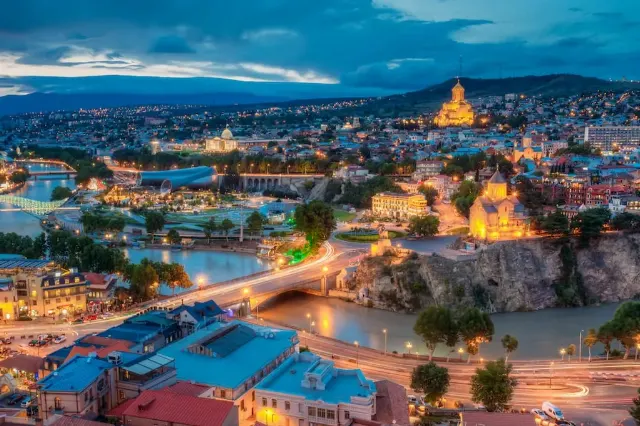
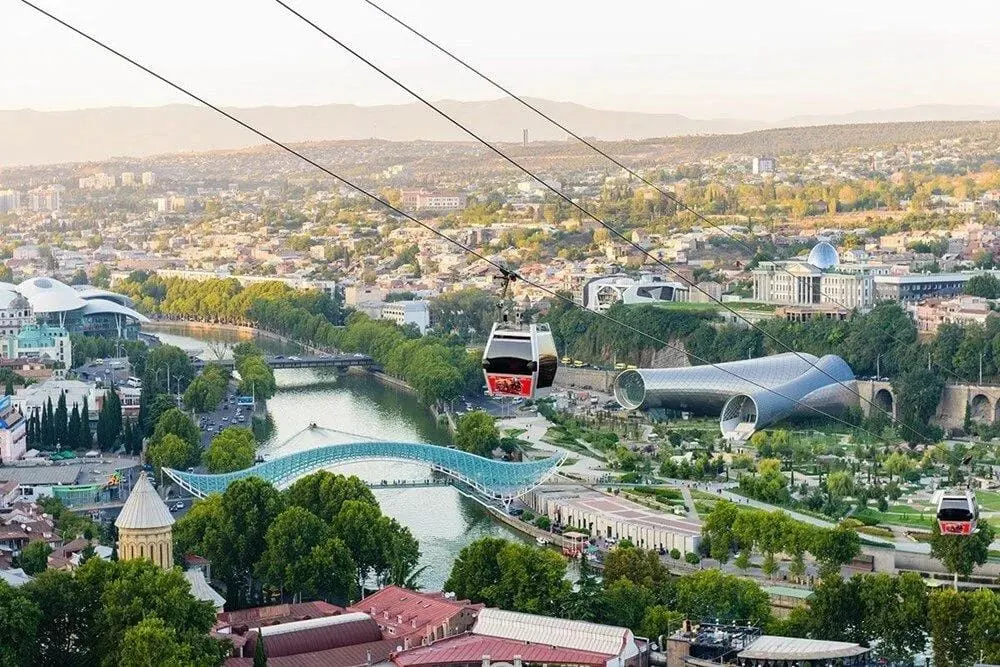
Old Tbilisi, the heart of the city, is like an open-air museum where you can lose yourself for hours among narrow cobbled streets, houses with wooden bay windows and colourful balconies. From here, be sure to continue up to Narikala Fortress on the hilltop. Dating back to the 4th century, it is not only the city's oldest defensive structure but also one of the best viewpoints in Tbilisi. Taking the cable car up to the fortress saves time and turns the journey itself into part of the experience. Just below the fortress, the giant "Kartlis Deda" (Mother of Georgia) statue greets visitors with a sword in one hand and a cup of wine in the other, two symbols representing both the hospitality of the Georgian people and their resolve against their enemies.
The Abanotubani bath district, famous for its sulphur springs, is one of the city's icons with its domed roofs, and you can even enjoy a traditional bath experience here. Tucked away just behind the bath district, the Legvtakhevi Waterfall is a surprising spot where you can escape the noise of the city and spend a few minutes surrounded by nature. The glass Bridge of Peace spanning the Kura River adds a stylish modern contrast to the old city's skyline, and Rike Park, just across the bridge, is ideal for a stroll or a relaxing break. You can shop along Rustaveli Avenue, visit Freedom Square, admire the grandeur of Sameba Cathedral (Holy Trinity Cathedral) up close and take a break in the lively cafés and restaurants of Shardeni Street. If you have time, a walk through the Tbilisi Botanical Garden in the south of the city or browsing handmade souvenirs at Meidan Bazaar are also great additions to your list.
How to Get to Tbilisi? A Ready-Made Package Tour
Handling the border crossing, transport and route planning on your own can be exhausting on a trip to Tbilisi. Travel with Sümela Tur and our experienced team plans the journey for you, while you explore the city with our guide.
- A tour with transport, route and itinerary all planned out
- Sightseeing accompanied by a guide who knows the region
- The peace of mind of a TÜRSAB-licensed agency
- Choose between a group tour or a private tour with a vehicle just for your family
You can view dates, prices and the itinerary on the Batumi Tbilisi Tour page and book online. If you'd like a plan tailored to you or your group, message us on WhatsApp and let's create your route together.
The Best Time to Visit Tbilisi
Tbilisi offers a different atmosphere in every season, but the ideal times to visit are spring (April–May) and autumn (September–October). During these months the weather is neither too hot nor too cold, creating perfect conditions for city walks and outdoor excursions. And if your autumn visit coincides with the grape harvest season in the region, you'll have the chance to get to know Georgian wine culture up close. While summer can be quite hot and at times stifling, winter snowfall gives the city a different, almost fairytale-like beauty. Around New Year in particular, Tbilisi's streets adorned with lights, squares decorated with trees and markets fragrant with mulled wine create a truly unique holiday atmosphere. For those thinking of travelling at this time, the New Year Batumi & Tbilisi Tour is a great option for discovering the city during one of the most special times of the year.
Local Cuisine: What to Eat in Tbilisi?
With its rich variety and hearty flavours, Georgian cuisine will be one of the most enjoyable parts of your Tbilisi trip. Here are a few dishes you simply must try:
- Khinkali: A hand-folded, dumpling-like pastry filled with spiced minced meat or mushrooms; it's eaten by holding the top knot, and the trick is not to lose the delicious broth inside with the first bite.
- Khachapuri: A type of cheese-filled bread whose shape varies by region; the "Acharuli" version, topped with a raw egg and butter in the centre, is especially famous.
- Mtsvadi: Georgian-style skewered kebab cooked over a wood fire, usually made with pork or beef.
- Badrijani Nigvzit: A cold aubergine starter prepared with walnut sauce and garnished with pomegranate seeds.
- Churchkhela: A traditional sweet made by dipping walnuts or hazelnuts in grape molasses and drying them, also known as the "Georgian Snickers".
Pairing these dishes with local Georgian wine fermented in traditional clay vessels called "qvevri" will complete the experience. Georgia is home to one of the oldest winemaking traditions in the world, and Tbilisi's wine houses give you the chance to discover this heritage up close. "Chacha", a strong traditional spirit distilled from grape pomace and often served alongside meals, also offers an intriguing experience for the curious.
Where to Eat
Among the narrow streets of Old Tbilisi, especially on and around Shardeni Street, you'll find dozens of traditional restaurants and wine houses where you can enjoy local dishes and a delightful evening with live music. Those seeking a more authentic experience can visit Dezerter Bazaar, where locals do their shopping, to sample fresh cheeses, honey and spices, and even try hot khachapuri at the small food stalls. The small eateries around Sameba Cathedral and the modern cafés along Rustaveli Avenue stand out for serving both traditional and contemporary Georgian cuisine. Concept venues such as Fabrika 1926, converted from an old factory building, have become a favourite hangout for young travellers thanks to their food and street-art-filled atmosphere.
The Best Photo Spots
Tbilisi offers countless shots for photography lovers. A sunset photo from the top of Narikala Fortress captures the city's red-tiled rooftops and the winding Kura River in a single frame. Shooting from inside the cable car cabin is an ideal opportunity to capture both the ascent and the city's widening panorama. In the evening, the illuminated glass Bridge of Peace and the riverside promenade are must-visit spots for anyone looking for "Instagram-worthy" shots. The colourful bay-window balconies and narrow streets of the old town also make a perfect backdrop for authentic street photography in daylight. The hill where the Kartlis Deda statue stands is another favourite spot for those who want to capture both the statue and the city view behind it in the same frame.
Tbilisi's History and Cultural Significance
According to the legend of King Vakhtang Gorgasali, who founded the city, Tbilisi takes its name from the region's warm sulphur springs (the word "tpili" means "warm" in Georgian), and it has been the heart of Georgia since the 5th century. Legend has it that while hunting, the king saw a falcon he had shot fall into a hot spring, heal and fly away, and he then ordered a city to be built in the area. Its strategic location on the Silk Road route linking Europe and Asia turned the city, over the centuries, into a cultural mosaic where Persian, Byzantine, Arab, Mongol and Russian influences intersected. The Armenian churches, synagogues and mosques still standing today, often within walking distance of each other, are the most tangible evidence of the city's multicultural past.
The deep-rooted place of the Georgian Orthodox Church in social life can be seen in massive religious buildings such as Sameba Cathedral and in the city's countless small churches; Georgia is one of the oldest countries in the world to adopt Christianity as its state religion. The coexistence of Soviet-era architecture with modern skyscrapers and glass bridges built after independence gives Tbilisi a unique character where past and present live side by side. As you wander the city, it's not at all unusual to see a centuries-old church, a Soviet-era apartment block and a recently built glass building on the same street.

Practical Tips
Turkish citizens can enter Georgia with their national ID card, which makes things much easier, especially for short tours (we recommend confirming the current entry requirements at the border crossing or with the relevant official sources before you travel). The country's currency is the Lari; although card payments are widespread in the city, carrying cash will make things easier with small vendors in the Old Town, at markets and in taxis. As Tbilisi is built on hills, choosing comfortable walking shoes will make your trip much more enjoyable. Since temperatures can vary throughout the day, dressing in layers is a smart choice, especially in spring and autumn.
Although Georgian is the official language, you can usually get by in English and Russian in tourist areas; still, learning a few basic Georgian greetings is the easiest way to win over the locals. The metro is both fast and extremely affordable for getting around the city, while for short distances, walking is the most enjoyable way to explore the narrow streets of the Old Town. Finally, bearing in mind that restaurants and popular spots can get crowded, especially at weekends, spreading your itinerary over weekdays can help you enjoy a more relaxed trip.
Thanks to its proximity to the Black Sea, discovering this captivating city where Europe meets Asia is remarkably easy, even on a short break. For those who want to get lost in historic streets, unwind in sulphur baths and savour the unique flavours of Georgian cuisine, Tbilisi offers an unforgettable travel destination.