
Things to Do in the Gito and Badara Plateaus: Çamlıhemşin's Paradise Above the Clouds
When people think of the Eastern Black Sea, Ayder or Uzungöl usually come to mind first. Yet the Gito and Badara Plateaus, in the Çamlıhemşin district of Rize, are two of the region's least-known and most breathtaking corners. Starting deep in the Fırtına Valley, this route passes historic stone bridges and protected boxwood forests before climbing to 2,000 meters. It is a true discovery for nature and culture lovers alike. From the famous knife workshops of Sürmene to the mysterious walls of Zil Kale, and from the refreshing waters of Palovit Waterfall to plateau houses above the clouds, let's see what awaits you on this journey.
Places to See Along the Route
A trip to the Gito and Badara Plateaus isn't about a single stop. It takes in several remarkable spots stretched along the Fırtına Valley. Coming from Trabzon, the first stop is usually Sürmene, a town known for a knife-making tradition that goes back centuries. It's hard to pass through without a quick shopping break. From here, a drive of about an hour and a half brings you to the Fırtına Valley. Right beside the valley's rushing waters, adventure lovers will find a zipline. Those who try it can glide swiftly over the valley and see the scenery from a whole new angle.
As the route continues toward Çamlıhemşin, it makes a cultural stop in Çinçiva Village, which also hosted the filming of the TV series Sevdaluk. Tucked among the village's small tea gardens, the Sevdaluk House is one of the most photographed spots for visitors. Close by stands the Çinçiva Bridge, considered one of the oldest stone bridges in the region and the one with the widest arch span. The journey continues to Zil Kale, a castle perched on a point overlooking the valley. Climbing its narrow paths and gazing over the valley from its walls is one of the most unforgettable moments of the trip.
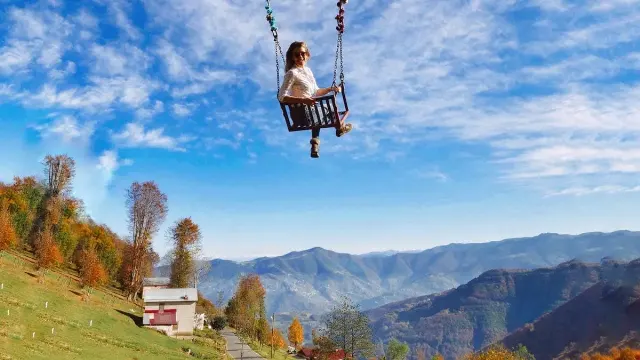
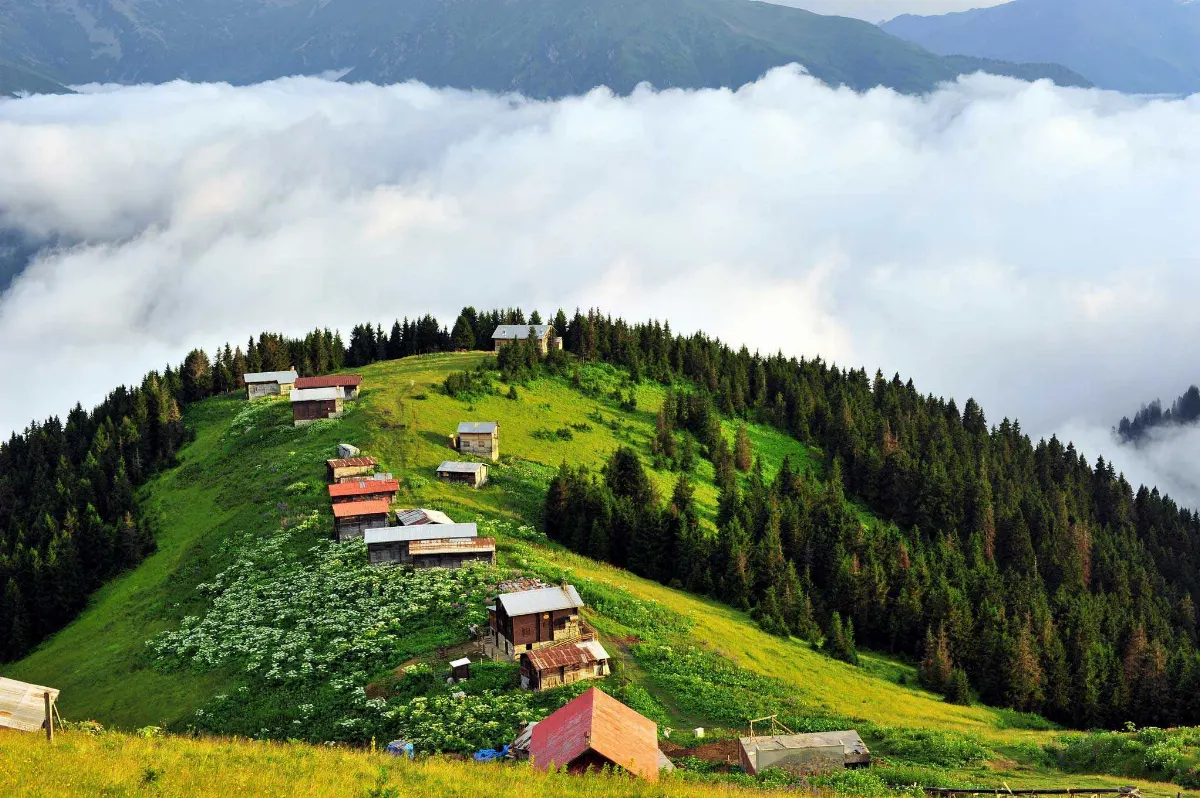
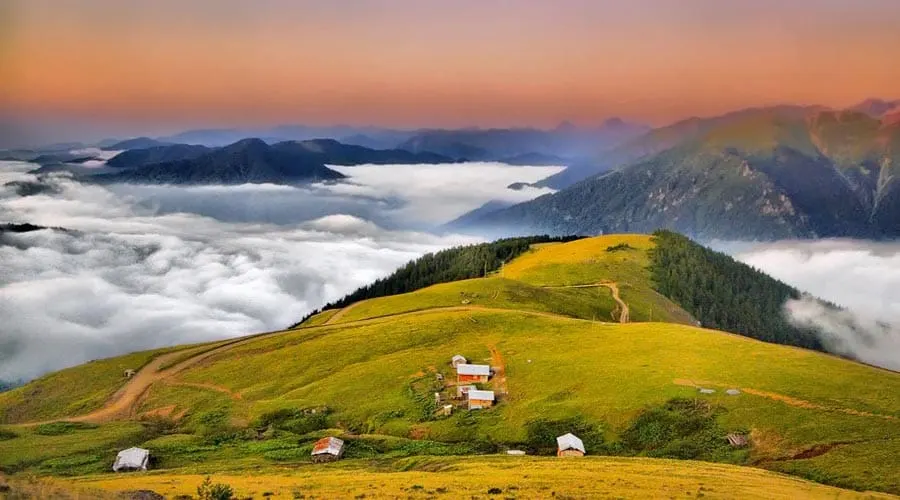
After Zil Kale, the route leads to Palovit Waterfall, one of the most powerful waterfalls in the region. After a long walk, its cool waters are truly refreshing. Nearby, the Çamlıhemşin Boxwood Forests are under protection because they are among the rare places in Türkiye where boxwood trees form an actual forest. Boxwood is the raw material for handcrafted items such as spoons, combs and weaving shuttles, and you can take a short walk through the forest. The highlight of the route is Gito Plateau, at an altitude of 2,000–2,100 meters, and its neighbor, Badara Plateau. Here the clouds often drift below your feet. Among traditional wooden plateau houses and grazing herds, you'll experience the true atmosphere of a Black Sea highland.
How to Get to the Gito and Badara Plateaus? A Guided Tour Is the Easiest Way
The best way to enjoy the Gito and Badara Plateaus is with someone who knows the route. We plan the transportation, timing and stops, so all you have to do is enjoy the views.
- Pick-up and drop-off at your hotel or a meeting point
- Tour with a guide who knows the region
- Peace of mind with a TÜRSAB-licensed agency
- Choice of a group tour or a private vehicle tour for your family
You can check dates, prices and the itinerary on the Gito Badara Tour page and book online. If you'd like a plan tailored to you or your group, message us on WhatsApp and we'll plan the route together.
Best Time to Visit
Once the snow melts, the plateaus are open to visitors from late June until the end of September. July and August are the liveliest months. This is when the seasonal migration to the highlands is in full swing and the pastures are lush and green. During these months, days can be cool and evenings quite cold, so bring a warm jacket even in midsummer. In the early morning, clouds often fill the valley and then clear toward noon, creating a scene unique to the region. If possible, plan your visit for early morning. You'll get clearer views and a calmer atmosphere. Weather in May and October can be unpredictable, so if you plan to go then, check the weather and road conditions in advance.
Local Flavors and Where to Eat
The highland cuisine of Çamlıhemşin and its surroundings stands out for its simple yet hearty dishes. Here are the must-try specialties when you visit the region:
- Kuymak (Muhlama): Made with fresh butter, cornmeal and local cheese and served piping hot, this dish is a staple of every Black Sea table.
- Hemşin börek: A hearty baked pastry made with thin layers of dough filled with cheese and herbs.
- Fresh highland strained yogurt and cheese: Local dairy products made from the milk of animals grazing on the plateaus, free of preservatives.
- Highland honey: A thick honey made from Rize's endemic plant life. It is one of the most authentic edible souvenirs you can take home from the region.
- Cornbread: A thick-crusted bread baked the traditional way, enjoyed alongside hot kuymak or fresh cheese.
For a meal break, the small family-run restaurants in central Çamlıhemşin and the highland coffeehouses along the Fırtına Valley are good choices. You can also rest and recharge with a coffee or tea at the small tea gardens around Zil Kale and Palovit Waterfall.
Best Spots for Photography
Almost every point along the route is picture-perfect, but a few spots stand out. The stone arches of the Çinçiva Bridge, set against green hills, make a classic Black Sea postcard scene. Shots from the walls of Zil Kale capture the entire valley. Palovit Waterfall is especially impressive in late spring, when its flow is at its strongest. The most unforgettable photos, though, are taken on the Gito and Badara Plateaus in the morning, when clouds drift at your feet. At this time of day, the light is softer and the silhouettes of the plateau houses in the mist make for a strikingly photogenic scene.
Historical and Cultural Significance
The Fırtına Valley lies on one of the historic trade routes linking the coast to inner Anatolia. Zil Kale is believed to be one of the defensive structures built on a hill overlooking the valley to protect this route. As with many castles in the region, its exact construction date is unclear. However, it is known that the local principalities that ruled the area in the Middle Ages, and later the Ottoman administration, used such structures to keep the valley secure. The Çinçiva Bridge is one of the finest surviving examples of traditional Black Sea stone bridge architecture. With its single arch and lasting strength, it has connected the two banks of the valley for centuries. The region is also considered the heart of Hemşin culture. The horon dance accompanied by the kemençe, highland festivals and the tradition of seasonal herding are still part of everyday life. In recent years, Çinçiva Village has also found a place in popular culture through the Sevdaluk series, drawing even more interest to the region.
Practical Tips
- Temperatures on the plateaus can vary greatly between day and night, so dress in layers. Be sure to bring a light raincoat or windbreaker.
- You'll take short walks at spots like Zil Kale and the boxwood forest, so wear comfortable shoes with non-slip soles.
- If you plan to try the zipline in the Fırtına Valley, check the location and times in advance.
- Small businesses on the plateaus may not always accept cards, so carry some cash.
- In summer, bringing insect repellent spray is a good idea.
- Because of the altitude and the long drive, guests prone to motion sickness are advised to bring medication.
If you'd like to add the nearby Ayder Plateau to your travel plans, take a look at our Ayder Tour. This route runs from Sürmene to Zil Kale and from Palovit Waterfall to plateaus above the clouds. It offers a unique opportunity to experience the natural and historical treasures of the Eastern Black Sea in a single trip.