
Trabzon Means Temel: Black Sea Jokes and the People of Trabzon
Sit for a while in a tea garden in Trabzon, and at some point in the conversation someone is bound to tell a joke. Temel jokes, and Black Sea jokes in general, are short stories passed down by word of mouth that capture the locals' speed, quick wit and ability to laugh at themselves. In this installment of our Trabzon means… series, we retell a few short, clean jokes in our own words, then talk about the people, the dialect, the horon and the kemençe behind them. After all, this humor tastes completely different when you hear it among the people who keep it alive.
Who is Temel? The heroes of the jokes
When it comes to Black Sea jokes, Temel is the first name that comes to mind. He is usually joined by his close friend Dursun and his wife Fadime. Most of the jokes are anonymous; no one knows who first told them, and every teller adds a little of their own. Their subjects are life itself: the sea and hamsi (anchovies), the highlands and the rain, school, football and, of course, family. Temel is a common name in Trabzon and the Eastern Black Sea region; part of the reason the character is so beloved must be that everyone knows a Temel of their own.
In these jokes, Temel sometimes seems naive, but more often than not he surprises everyone with his unexpected logic. The laughter comes not from belittling anyone, but from the absurdity of the situation. We wrote the jokes below in that same spirit, in our own words.
Seven short Temel jokes
Fog in the highlands
A tourist looked at the whiteness surrounding the highland plateau and asked, "Is it always this foggy here?" Temel smiled: "That's not fog, uşağum. The clouds come up to the highlands for tea too; they sit for a while, then they leave."
The neighbor's laundry
Every morning Fadime would look out the window and grumble, "Look at the neighbors, they've hung their laundry out dirty again!" One morning she was surprised: "Temel, today it's spotless!" Temel sipped his tea: "I cleaned our windows this morning."
Guests
Dursun asked, "Temel, when are your guests leaving?" Temel thought for a moment: "I don't know. We haven't even cleared the third meal yet, so how can we talk about leaving?"
In a hurry
Someone asked Temel, "Why do you always walk so fast?" Without slowing his pace, Temel replied, "If I walk slowly, my thoughts catch up with me, and then I have to deal with them too."
Hamsi
A guest asked, "Temel, how many dishes can you make with hamsi?" Temel started counting: "Fried, steamed, pilaf, meatballs…" Then he stopped: "Come over for dinner tonight and Fadime will tell you the rest. All this counting has made me hungry."
Horon lesson
A guest asked about the secret of the horon. Temel explained: "Easy. When the kemençe starts, shake your shoulders, stamp your feet, and never let anyone see you're tired. The kemençe takes care of the rest."
Rain
A visitor complained, "Does the rain ever stop here?" Temel shrugged: "Of course it does. Then it snows."
Jokes aside, if you're curious about the weather by season, check out our article on the best time to visit Trabzon.
The Black Sea character: fast, witty, hospitable
Jokes exaggerate, but they don't come from nowhere. Even those who spend only a short time in Trabzon quickly notice a few things:
- Speed: Talking, walking and making decisions all happen fast, just like the tempo of the horon.
- Quick wit: Ask a question and you'll often get a joke first, then the real answer.
- Hospitality: No conversation begins without tea being offered; even when you say "I'm full," another plate may appear in front of you.
- Hard work: The hazelnut groves and tea gardens on steep slopes are a reminder that this land flourishes through hard labor.
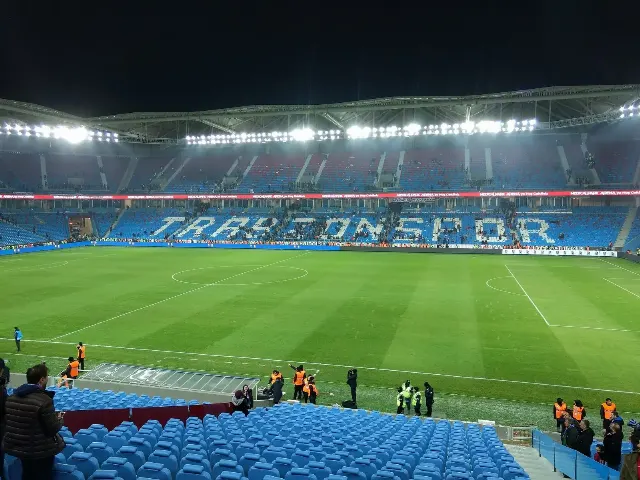
- Love of home: The highlands, the sea, the horon and Trabzonspor are constant topics of conversation.
- Laughing at oneself: The people who tell Temel jokes with the most delight are often Black Sea locals themselves.
Hosting guests here comes straight from the heart. A hot kuymak arrives at the table, hamsi too when in season, and the tea never runs out. You can discover the flavors of this table in our guide to what to eat in Trabzon and our article on hamsi pilaf.
Of course, every person is different and no city fits into a single mold. But this warmth is something visitors to the region mention again and again. If you're curious about the passion for football, our Trabzon football culture article and our Trabzonspor match and Trabzon trip guide are for you.
Uşak, ula, da: the flavor of the Black Sea dialect
Half the fun of the jokes lies in the dialect. In the Trabzon dialect, "uşak" means child or young person; calling someone "uşağum" is full of affection. "Ula" is a friendly form of address. Sounds change in certain suffixes: you'll hear "geldum" instead of "geldim" (I came) and "bilmeyrum" instead of "bilmiyorum" (I don't know). The "da" added to the end of a sentence brings rhythm and emphasis: "Gel da!" means "Come on, then!"
Ula uşağum, where are you off to? Gel da, have a cup of tea, then you can go.
The Black Sea dialect changes a little from district to district, even from valley to valley; the speech of Rize, Trabzon and Ordu may sound similar, but it isn't the same. That's why reading a joke on paper is one thing, and hearing it from a local of Trabzon is something else entirely.
Horon, kemençe and humor
On the Black Sea, humor is inseparable from music. When the fast, nimble sound of the kemençe rises, the horon begins shoulder to shoulder; as the rhythm speeds up, so does the laughter. The steps of the horon vary from area to area, but everyone who joins the line soon becomes part of that energy. In the atma türkü songs heard at weddings and highland festivals, quatrains are sung back and forth and improvised to the kemençe, with teasing and comebacks following one another. These musical duels are like the quick wit of Temel jokes set to music. To get to know the subject more closely, take a look at our kemençe and horon article.
Experience this warmth firsthand
Memorizing and telling a joke is easy; but the true flavor of Black Sea humor lies in the story you hear on the road to the highlands, in the joke of an old man you meet at a tea house, and in the local anecdotes your guide shares along the way. The best way to experience this warmth is on the spot, with our guides.
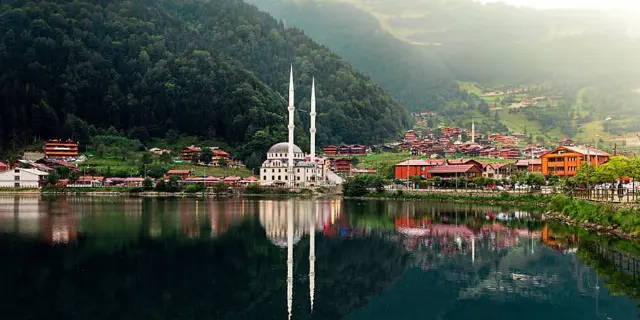
As Sümela Turizm, a Trabzon-based agency licensed with a TÜRSAB A-group certificate, we take care of planning the route for you; if you wish, you can also add hotel pickup. Join a group tour, or let us plan a private tour with a vehicle just for you or your family. For mountain air by the lake in Trabzon's Çaykara district, the Uzungöl Tour is a great choice, and to see the famous highland plateau in Çamlıhemşin, in neighboring Rize, the Ayder Tour is another excellent option. Before you set off, you can read about places to visit in Uzungöl, our Ayder Highland guide and our Black Sea highlands guide.
You can see the dates, price and itinerary on the Uzungöl Tour page and book online. If you'd like a plan tailored to you or your group, message us on WhatsApp and let's put the route together.
This article is the fifth in our Trabzon means… series. In the other articles of the series, we covered what Trabzon is famous for, the story of Panagia Sumela, a city trip combined with a Trabzonspor match, what to buy in Trabzon and the best time to visit Trabzon.
Frequently asked questions
Do Temel jokes offend people from the Black Sea region?
When told respectfully and without condescension, they generally don't; many people from the Black Sea region happily tell these jokes themselves. What matters is telling a joke to laugh together, not to belittle a person or a region.
Will I have trouble understanding the Black Sea dialect?
Usually not. Although the dialect may sound fast, it is perfectly understandable Turkish; you'll get used to "uşak" and "da" in no time. Our guides are also happy to explain any words you're curious about along the way.
Will there be a chance to see the horon or hear the kemençe on the tours?
This depends on the tour, the season and that day's program; you're more likely to come across the horon and the kemençe at highland festivals in the summer months. You can see the current itinerary on the relevant tour page and send us your special requests via WhatsApp.