
When to Visit Trabzon: Month-by-Month Weather and Tour Calendar
When is the best time to visit Trabzon? The short answer: it depends on what you want to see. Summer for highland festivals and cool plateau air, autumn for forests turning gold and crimson, winter for snowy Uzungöl and skiing, and spring for landscapes waking up in vivid green. Trabzon is a year-round destination, as long as your plan accounts for rain, humidity and the highland season. Below, we give you a realistic look at Trabzon's weather month by month and recommend our tours for every season.
When is Trabzon at its best? A season-by-season overview
- Spring (March–May): The valleys turn green and things are generally quieter; snow slowly retreats from the higher elevations.
- Summer (June–August): The season of highland plateaus and highland festivals; the warmest and driest time on the coast.
- Autumn (September–November): Forests change color and hamsi (Black Sea anchovy) returns to the fish stalls, though rainfall increases.
- Winter (December–February): Mild on the coast, snowy up high; time for snowy views at Uzungöl, skiing and hamsi.
Trabzon weather by month: the truth about rain and humidity
According to long-term data from the Turkish State Meteorological Service for Trabzon, the warmest months are July and August, with average temperatures around 23°C. The coolest months are January and February, averaging about 7°C. June and September, with averages around 20°C, are pleasantly mild months for sightseeing. In other words, winters on the coast are mild, while summers are felt more for their humidity than their heat.
Rain, meanwhile, is both the Black Sea's destiny and the reason for its lush green nature. According to the same data, October is the wettest month, followed by November, while July sees the least rainfall. Even so, July and August still average seven or eight rainy days a month. The highlands are noticeably cooler than the coast, and fog and clouds can roll in and out in an instant. So whatever the season, pack a light rain jacket and layered clothing.
Spring (March–May): when the green awakens
In March the coast is still cool and there's snow at higher elevations. With April and May, the valleys turn green and the streams run full. Depending on altitude, snow on the high plateaus can linger until late spring or even early summer, so spring is better suited to city and valley routes, while the highland season opens in early summer.
This time of year, it's a delight to see the fresh greenery of Altındere Valley on the Sümela Tour, or watch the forests around the lake come to life on the Uzungöl Tour. If you're wondering how many days to set aside, our article How many days to spend in Trabzon will help.
Summer (June–August): highlands and festivals
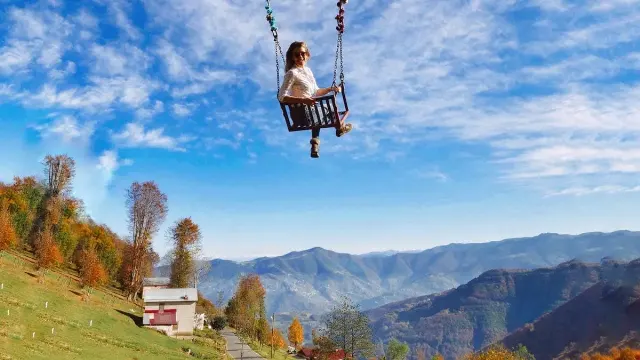
Summer is Trabzon's peak tourist season. While the coast sees hot, humid days, the highlands offer a refreshing breath of cool air. Highland life comes alive in June, and the season generally lasts until the end of summer, though it varies by plateau. We've explained in detail which highland is best when in our Black Sea highlands guide. August is also when the hazelnut harvest begins along the coast; spotting hazelnut pickers on the hillsides is one of the little surprises of a summer trip.
Highland festivals: Hıdırnebi and Kadırga
July is the month of highland festivals. The festival at Hıdırnebi Plateau in Akçaabat is traditionally held in mid-July, and Akçaabat's international music and folk dance festival usually opens with this celebration. At Kadırga Plateau, on the border between Trabzon and Gümüşhane, the Otçu Festival, which brings together thousands of people, is traditionally held on the third Friday of July. The kemençe, horon dancing and highland feasts are the essentials of these days. Exact dates are confirmed each year through local announcements.
In summer, you can visit the plateau above the clouds and Çal Cave in Düzköy on the Hıdırnebi Tour, and the famous plateau in Çamlıhemşin, in neighboring Rize, on the Ayder Tour. For details, take a look at our Hıdırnebi and Çal Cave guide.
August 15 and Sümela
Mid-August is a special time for Sümela Monastery. Since 2010, a one-day Orthodox liturgy has been held at the monastery with official permission, in most years on August 15. Crowds in the area swell during these days and visiting arrangements may change, so those hoping for a quiet visit should keep this in mind when choosing dates. You'll find practical information about the monastery in our Sümela visitor guide, and its story in the Panagia Sümela article in our series.
Autumn (September–November): colors and the return of hamsi
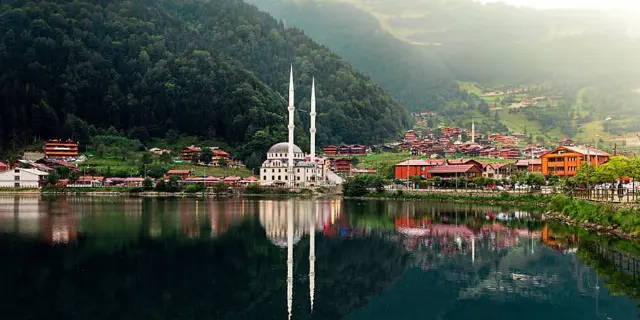
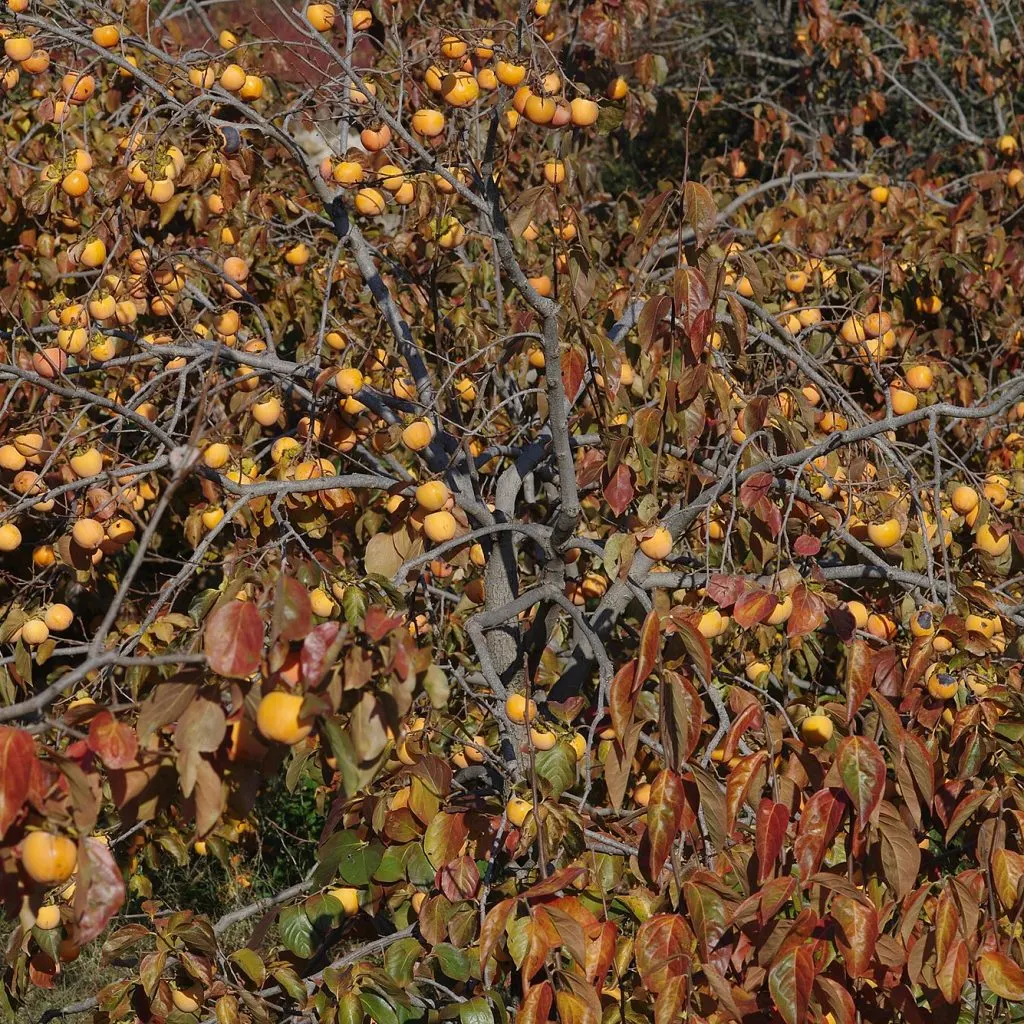
September still feels like summer, with mild weather. In October and November, the forests turn yellow, orange and crimson, and the area around Uzungöl, Altındere Valley and the highlands become favorites among photography lovers. Let's be honest: October is also the wettest month of the year. On these days, when rain and sunshine frequently trade places, a flexible itinerary and a guided tour make things far more comfortable.
Fish season also starts in autumn. The fishing season opens on September 1, while hamsi really becomes plentiful at the stalls as the weather cools. You can find the flavor of the season in our article Autumn in Trabzon, and the story of hamsi in our article on hamsi season and hamsili pilav. The Sümela Tour and the Uzungöl Tour are both great options this time of year.
Winter (December–February): snowy Uzungöl, skiing and hamsi
Winters on the Trabzon coast are mild; snow is rare by the sea, but the higher you go, the whiter the scenery becomes. Snow-covered Uzungöl is one of winter's most memorable sights; on cold days, the lake's surface sometimes even freezes over. We've covered the details in our article Things to do in Uzungöl in winter.
For ski lovers, Zigana Ski Center in Gümüşhane, Trabzon's neighbor, opens its season around December in most years when there's enough snow, and gets lively over the New Year period. With the Ski Tour, you can enjoy the snow without the hassle of planning or driving; the current schedule is on the activity page. We've introduced Zigana in our Zigana ski center article. Winter is also known as the time when hamsi is at its tastiest; fried, steamed or baked into pilaf, it's always on the table.
The city center is also calm and enjoyable to explore in winter. For a hot tea while gazing out over the city and the sea from Boztepe, check out our article on Trabzon's tea gardens.
Whatever season you come
Whatever the calendar says, the way to explore Trabzon without the hassle of planning is a guided tour. As Sümela Turizm, a Trabzon-based agency licensed under TÜRSAB Group A, we take care of choosing the right route for the season and the weather; you can also add hotel pick-up if you like. Adjusting the itinerary on a rainy day or monitoring road conditions on a snowy morning is our job; all you have to do is enjoy the view. Join a group tour, or let us plan a private tour with a dedicated vehicle for you or your family.
You can view dates, prices and the itinerary on the Sümela Tour page and book online. If you'd like a plan tailored to you or your group, message us on WhatsApp and let's put the route together.
This article is the sixth in our Trabzon means… series. In the other articles of the series, we've explored what Trabzon is famous for, the story of Panagia Sümela, a city trip combined with a Trabzonspor match, what to buy in Trabzon and the people of Trabzon through Temel jokes.
Frequently asked questions
What is the best month to visit Trabzon?
There's no single right month. June–August stands out for the highlands and festivals, October for autumn colors, and December–February for snow. You can see which tours run on which dates in the current schedule on each tour's page.
Do tours run in rainy weather?
Light rain is normal on the Black Sea and considered part of the experience. If weather or road conditions affect safety, the itinerary may change; you can ask us on WhatsApp for the latest information closer to your tour date.
Can I visit Sümela on August 15?
Special arrangements may apply at the monastery on the day of the liturgy, and the area gets very crowded. If you'd like to see Sümela on that date, you can find out the current status and schedule on the Sümela Tour page or by messaging us.