
Cappadocian Cuisine: What to Eat and Where, from Pottery Kebab to Local Wines

Say Cappadocia and most people picture hot air balloons, fairy chimneys and underground cities. Yet the region has another, lesser-known side that is every bit as memorable as its scenery: its cuisine. Combine the volcanic fertility of Nevşehir's soil, a deep-rooted winemaking culture and a pottery tradition stretching back centuries, and you get one of Turkey's most distinctive local cuisines. In this article, we'll cover where to go and when to visit Cappadocia, and answer our main question in detail: what to eat, and where to eat it. Whether you're planning a day trip or a getaway of several nights, this guide will help you map out both your sightseeing route and the stops that will delight your taste buds.
Places to Visit in Cappadocia
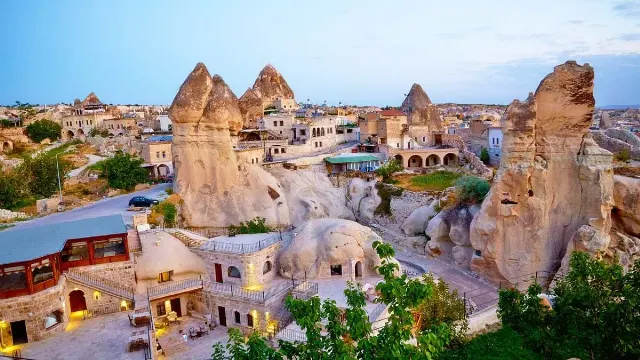
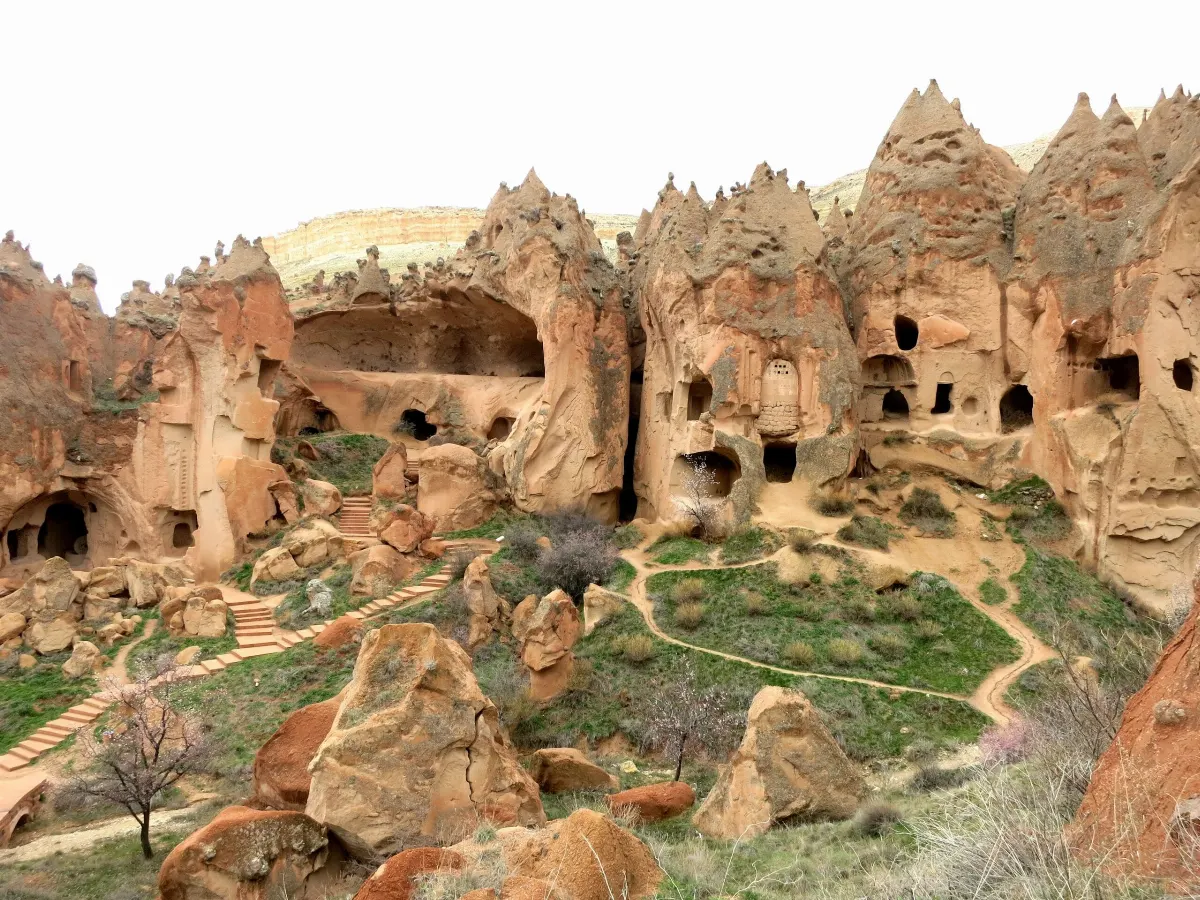
Ürgüp, Göreme, Avanos and Uçhisar can be considered the four main stops on any Cappadocia trip. The rock-cut churches of the Göreme Open-Air Museum, the sweeping views from Uçhisar Castle, the mushroom-shaped fairy chimneys of Paşabağı and the underground cities of Derinkuyu and Kaymaklı offer more than enough to fill an itinerary lasting several days. The small shops run by local producers in Ürgüp's bazaar are a must for anyone looking to buy dried fruit and wine, while in the pottery workshops of Avanos you can watch master potters shape clay at the wheel, and even make your own pot if you like. As you travel between these stops, your stomach will be just as satisfied as your eyes, because every town has a flavor all its own. After exploring the underground cities of Kaymaklı and Derinkuyu in particular, many travelers like to resurface, take a break in the sunshine and recharge with a local soup or a plate of mantı.
Taste Cappadocia's Flavors On Location with Our Tour
The best way to enjoy the dishes described in this article is to taste them right where they're made, during your Cappadocia trip. On our tours, our guide stops at the region's well-known restaurants and local food spots.
- Guided stops for authentic local flavors
- Transportation and itinerary all arranged, no planning needed
- Choice of a group tour or a private vehicle tour for your family
You can check dates, prices and the itinerary on the Cappadocia Tour page and book online. If you'd like a plan tailored to you or your group, message us on WhatsApp and we'll put together the route with you.
Best Time to Visit
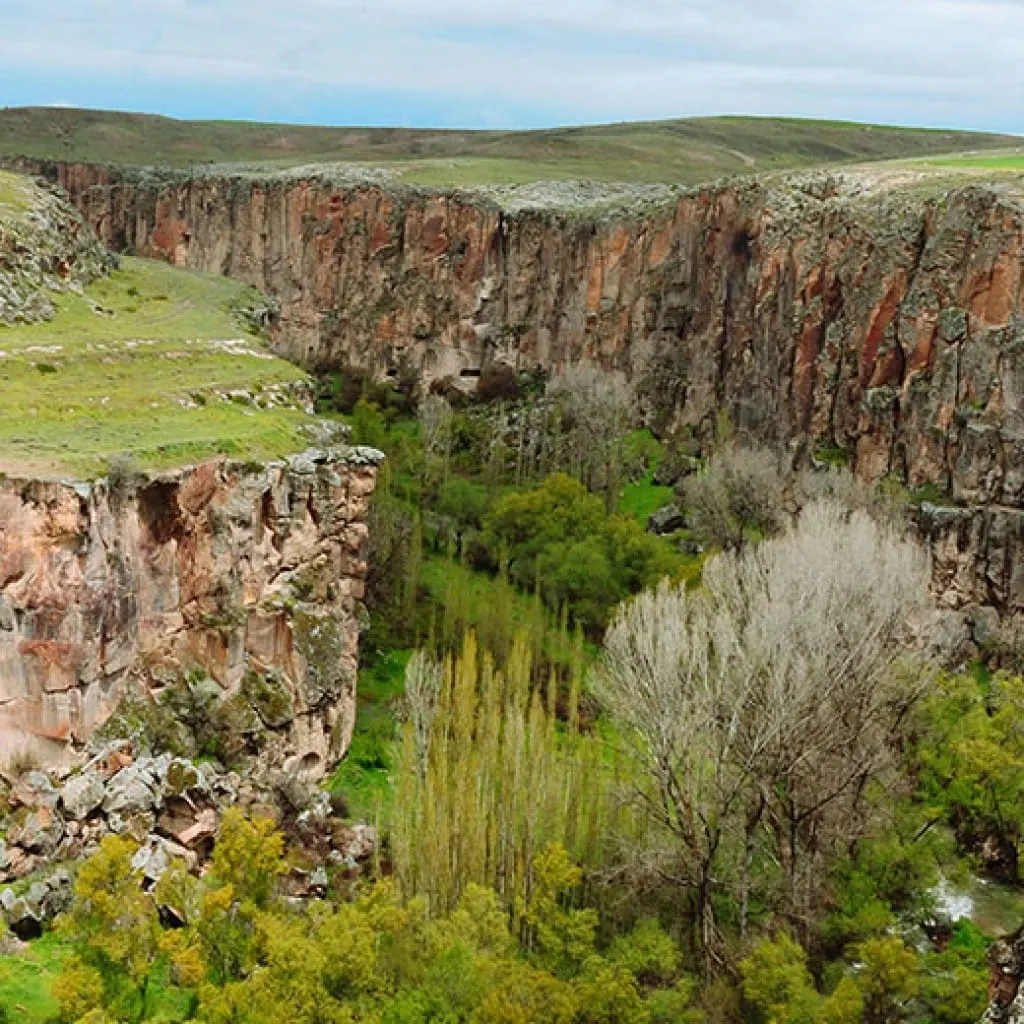
Spring (April–May) and autumn (September–October) are the ideal times to visit Cappadocia, both for the temperatures and for the likelihood of balloon flights going ahead. Summer can be hot and crowded, while winter offers an entirely different fairytale atmosphere with snow-covered fairy chimneys; however, balloon flights are canceled more often during this season due to wind. If you plan to take a balloon ride, remember to get up early for flights that lift off at sunrise and leave a few flexible days in your schedule. Since autumn also coincides with the grape harvest, it's especially recommended for those who want to see the winemaking process firsthand.
Local Cuisine: What to Eat in Cappadocia
At the heart of Cappadocian cuisine are dishes slow-cooked in earthenware. Here are the flavors you absolutely must try when you visit the region:
- Testi Kebab (Pottery Kebab): The region's most famous dish. Meat, vegetables and spices are cooked for hours over a low flame inside a sealed clay pot, which is then cracked open at the table. A Cappadocian classic in both presentation and flavor, it is usually ordered in advance with your reservation.
- Avanos Pottery Kebab: Avanos, the home of pottery kebab, is famous for the pots it crafts from the red clay of the Kızılırmak River. In the restaurants here, the kebab is both cooked and served in the same pot, and once you've finished your meal you can take the empty pot home as a souvenir.
- Mantı: Nevşehir mantı is made by filling thinly rolled dough with minced meat and is served with yogurt and a butter sauce. In this region bordering Kayseri, mantı appears on almost every table.
- Nevşehir Tava and Casseroles: Another earthenware classic is the güveç, a casserole in which lamb, potatoes, peppers and tomatoes come together over a slow fire. It's usually served with freshly baked bread.
- Apricot and Dried Apricot Desserts: Nevşehir and its surroundings are known for apricot production; apricot dessert, apricot jam and stuffed dried apricots are among the region's signature sweets.
- Cappadocian Wines: The region's volcanic soil offers ideal conditions for viticulture, and grape growing here actually goes back thousands of years. Small wineries around Ürgüp and Uçhisar welcome guests with tasting tours of wines made from local grape varieties such as Emir and Öküzgözü.
- Pastırma and Sucuk: Thanks in part to the region's proximity to Kayseri, you'll find high-quality pastırma (cured beef) and sucuk (spiced sausage), essentials of any breakfast table. n
- Grape Molasses and Pestil: Pekmez (grape molasses), made after the autumn harvest, and pestil (sun-dried fruit leather) are easy to find in local markets and bazaar shops, and are among the tasty souvenirs well worth bringing home.
- Cappadocian Breakfast: Lavish breakfast spreads served on the terraces of cave hotels with balloons drifting overhead; starting the day with local cheeses, village bread, apricot jam and fresh gözleme is an experience in its own right. n
- Alaca Soup and Tarhana: Nevşehir cuisine's time-honored answer to cold winter months; alaca soup, made from a mixture of bulgur, chickpeas and yogurt, and soup made from homemade dried tarhana often appear on menus during chilly sightseeing days.
Where to Eat
One of Cappadocia's most special dining experiences is eating in a venue carved into the rock. In Göreme and Ürgüp, restaurants set inside centuries-old stone houses offer both an authentic atmosphere and regional menus. The terraced venues around Uçhisar Castle are ideal for dinner with sunset views, while the riverside restaurants of Avanos are the place to go for pottery kebab prepared the traditional way. Depending on your budget, you'll find a wide range of options, from modest local eateries in town centers to elegant restaurants within cave hotels. For those who want to enjoy breakfast while watching the morning balloons, cafés with high terraces in Göreme are especially recommended. Reservations are advised, particularly in high season (April–October), and for dishes like pottery kebab that take hours to prepare, you may need to place your order early the same day. Small restaurants favored by locals, a little off the tourist trail, usually offer both lower prices and a more home-cooked experience; asking a local guide or hotel staff in whichever town you're visiting is the easiest way to find these spots.
Photo Spots and the Best Shots
With dozens of colorful balloons filling the sky at sunrise, Cappadocia is a dream destination for photography lovers. The viewpoints in Love Valley, Kızılçukur and Rose Valley are among the most popular locations for capturing balloons and fairy chimneys in a single frame. The top of Uçhisar Castle offers a wide-angle view over the entire valley, while the trails around the Göreme Open-Air Museum are ideal for those who want a closer look at the texture of the rock churches. For food-themed shots, the pottery workshops of Avanos also provide a vibrant setting; the master potters at their wheels and the shelves lined with clay pots make for images that capture memories as much as photos. For the most striking shots, we recommend getting to your spot about an hour before sunrise and making the most of the golden-hour light. In the evening, you can also capture stunning images around Uçhisar and Ortahisar as the rocks turn orange in the setting sun.
Historical and Cultural Significance
Cappadocia's astonishing geology was formed millions of years ago, when ash erupted by Mount Erciyes, Hasandağı and Göllüdağ was eroded by wind and water. The region's name is thought to come from a Persian word meaning "land of beautiful horses" in antiquity. During the Byzantine era, the region became one of the early centers of Christianity, and monks carved churches, monasteries and underground cities into the rock. Underground settlements such as Derinkuyu and Kaymaklı served throughout history as refuges for people fleeing invasions and could shelter thousands for months at a time. Avanos's pottery tradition dates back to the Hittite period; the clay of the Kızılırmak has been worked with the same skill for thousands of years, and workshops passed down from father to son are still active in the region today. The winemaking tradition is just as old as pottery; archaeologists have found traces of grape processing in the region dating back to the Hittite era. These historical layers are reflected in the local cuisine as well: dishes cooked in earthenware and local wines bring the legacy of the civilizations that lived on these lands to the table. Today, Göreme National Park and the surrounding rock sites, inscribed on the UNESCO World Heritage List, are recognized as one of the rare places that protect both natural and cultural heritage together.
Practical Tips
- If you plan to hike the valleys, wear comfortable shoes with non-slip soles.
- Book your balloon ride early, and leave flexibility in your schedule in case of weather-related cancellations.
- Nights and early mornings can be cool, so bring a light jacket even in summer.
- Dishes with long cooking times, such as pottery kebab, may need to be ordered in advance at restaurants; if possible, mention it when making your reservation.
- Keep in mind that the underground cities have narrow, sloping corridors; anyone with claustrophobia may want to let the tour guide know in advance.
- If you're going wine tasting, arrange for someone who won't be drinking to do the driving. n
- Get cash in the town centers; some small local eateries may prefer cash over cards.
- If you're bringing pottery or a clay pot home from Avanos, make sure it's well protected against breakage in your luggage.
If you'd like to discover Cappadocia's unique atmosphere that delights both the eyes and the palate, join us on our Cappadocia Tour and experience all the colors of the region together, from pottery kebab to balloon views, and from underground cities to wine tastings.