
The History and Cultural Heritage of Cappadocia: From Fairy Chimneys to Underground Cities
Cappadocia is a unique region centred on Nevşehir and spanning districts such as Ürgüp, Avanos, Göreme, Uçhisar and Ortahisar, where volcanic formations millions of years old meet thousands of years of human history. With its fairy chimneys, underground cities and rock-cut churches, it holds a heritage that is rare not only geologically but also historically and culturally. From the hundreds of hot air balloons that paint the sky to the rock churches under UNESCO protection, the region is one of Anatolia's most distinctive travel routes. It is also a natural and historical heritage site with few equals anywhere in the world, one that regularly inspires documentaries and film scenes. In this article, we explain how Cappadocia was formed, which civilisations it has been home to, which places you shouldn't miss and what to keep in mind when visiting the region.
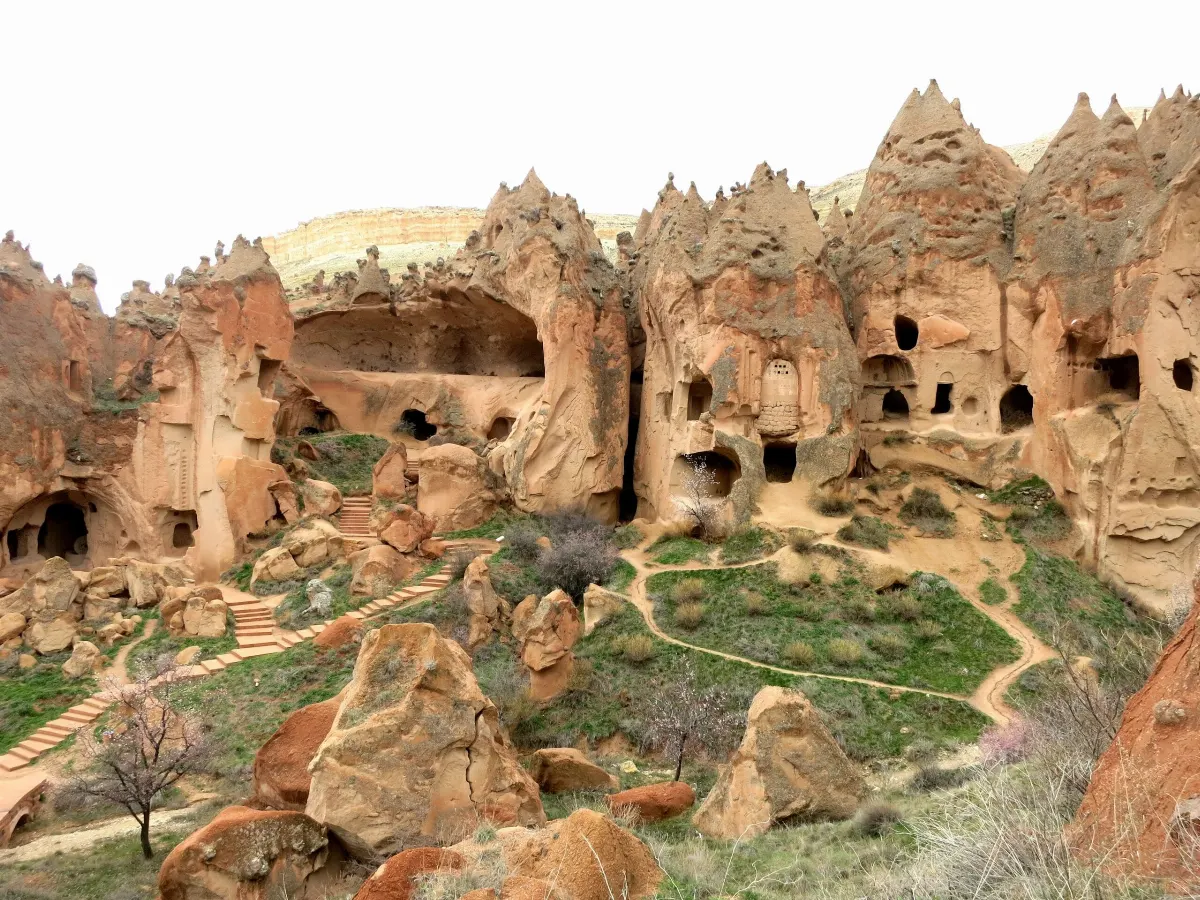
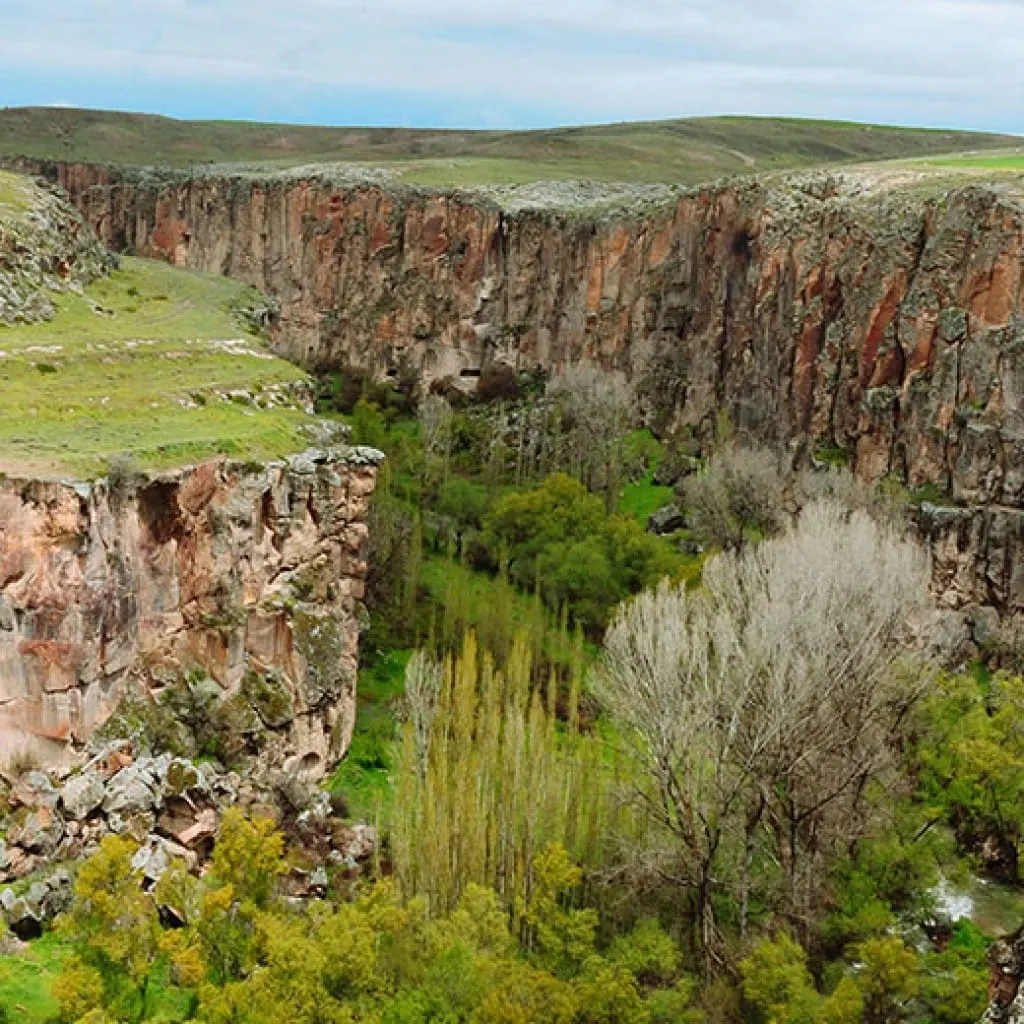
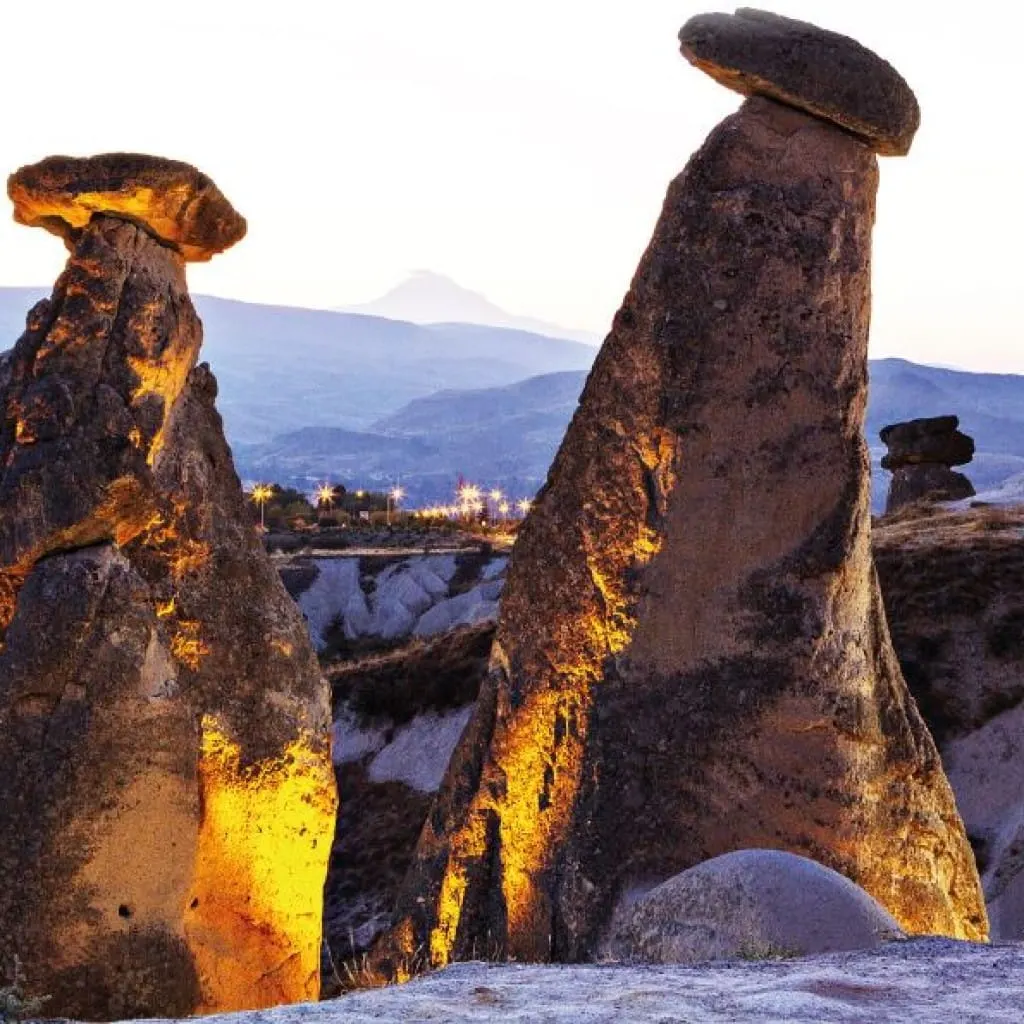 Top of the list of must-see places in Cappadocia is the Göreme Open-Air Museum, where dozens of rock-carved churches and monasteries stand side by side. Uçhisar Castle, the highest point in the region, offers a commanding view over the entire valley and is an essential stop at sunset. The Derinkuyu and Kaymaklı underground cities offer an unforgettable experience as their narrow passages lead you deep into history. Visitors with claustrophobia generally prefer Kaymaklı, which has wider passages. Paşabağı (Monks Valley) stands out for its multi-capped fairy chimneys, while the Zelve Open-Air Site is notable for its abandoned rock settlement, which remained inhabited until the 1950s. Near Ürgüp, the Üç Güzeller (Three Beauties) fairy chimneys are three rock columns standing side by side and one of the region's most photographed symbols. Ihlara Valley is a deep canyon stretching through lush greenery, offering a different side of Cappadocia with its rock churches and hiking trail. The short hiking trails in Kılıçlar Valley and Güllüdere Valley are also ideal for those who want a peaceful nature walk away from the crowds. Avanos is known as the region's pottery centre. In the workshops along the Kızılırmak, you can watch a pottery-making tradition that has continued for centuries, and if you like, even shape your own pot at the wheel. Ortahisar Castle and the hundreds of carved dovecotes in the Kızılçukur and Güvercinlik Valleys, once used for collecting fertiliser and for communication, offer fascinating glimpses into the region's agricultural history.
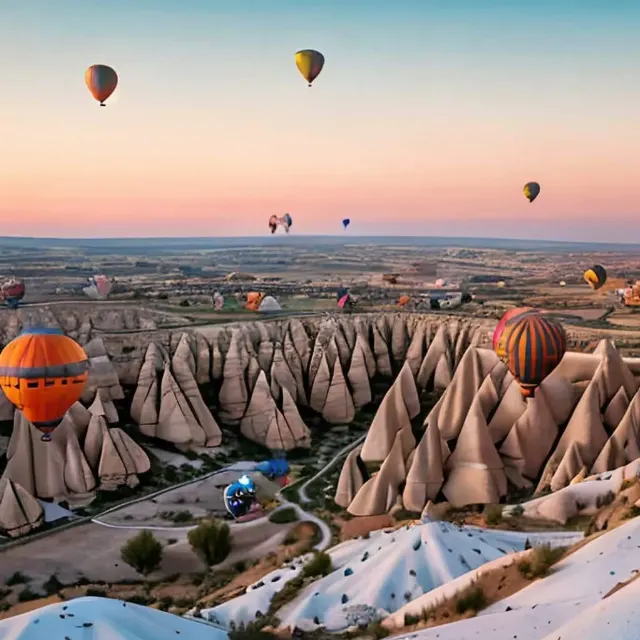
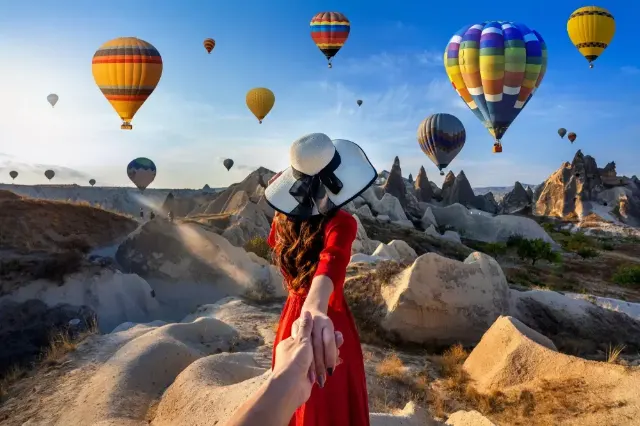
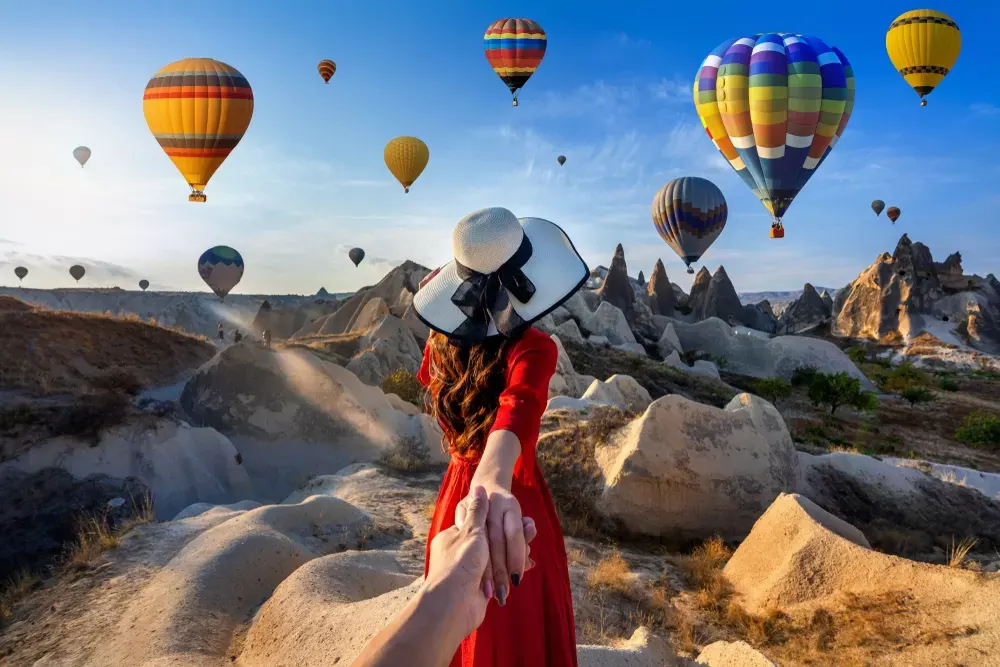
 Cappadocia's most iconic image is the sight of hundreds of hot air balloons filling the sky at sunrise. Photos taken from the top of Uçhisar Castle or from the viewpoints of Love Valley are among the most widely shared. Other great photo spots include the multi-capped fairy chimneys of Paşabağı, the rocks of Kızılçukur Valley as they glow red and orange at sunset, and the Göreme Panorama Terrace. For photographers, the best light comes in the early morning and late afternoon, when the sun is close to the horizon. Keep in mind that the midday sun can cast harsh shadows. If you're planning to fly a drone, remember that restrictions apply during balloon flight hours and in some protected areas, so it's best to check local regulations in advance.
The Historical and Cultural Significance of Cappadocia
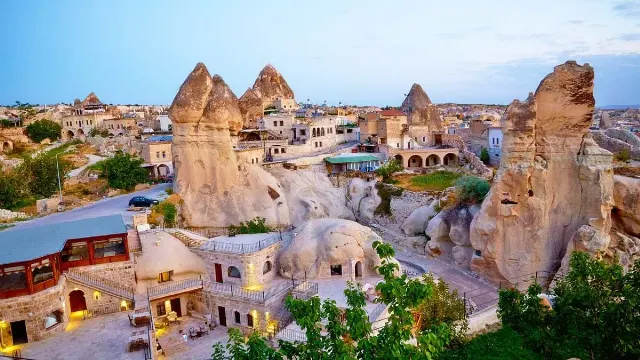
Cappadocia's extraordinary landscape took shape millions of years ago, when successive eruptions of Erciyes, Hasandağ and Göllüdağ blanketed the region in thick layers of ash and lava. Over tens of thousands of years, wind and rain gradually eroded these layers. Because the harder basalt fragments resting on top of the soft tuff layers wore away at a different rate, the conical, capped rock formations we now call "fairy chimneys" emerged. Throughout history, the region has been home to many civilisations, including the Hittites, Persians, Romans, Byzantines, Seljuks and Ottomans. In antiquity it existed as the independent Kingdom of Cappadocia, before being annexed to the Roman Empire as a province in AD 17. During the Roman period, Christian communities fleeing religious persecution chose these lands as a refuge, carving underground cities and hidden churches into the soft rock. The name Cappadocia derives from "Katpatuka", an Old Persian term meaning "land of beautiful horses". The region was famed in ancient times for the horses it bred, and the name appears in historical records, including the Bible. The frescoed churches of the Göreme Open-Air Museum, dating from the 9th to the 13th centuries, are considered among the richest examples of Byzantine art in Anatolia and have been on the UNESCO World Heritage List since 1985. Underground cities such as Derinkuyu and Kaymaklı are true feats of engineering, large enough to shelter thousands of people. Every detail was carefully thought out, from ventilation shafts to heavy round stone doors that kept enemies out. To date, more than 200 underground settlements have been identified in the region. Traces of the daily life of the Cappadocian Greeks, who lived here until the population exchange of 1923, can still be seen on the walls of some cave houses and in abandoned villages. The region was also home to the "Cappadocian Fathers" (Saint Basil, Gregory of Nazianzus and Gregory of Nyssa), who hold an important place in Christian history and shaped early Christian theology.Places to Visit and Highlights
Top of the list of must-see places in Cappadocia is the Göreme Open-Air Museum, where dozens of rock-carved churches and monasteries stand side by side. Uçhisar Castle, the highest point in the region, offers a commanding view over the entire valley and is an essential stop at sunset. The Derinkuyu and Kaymaklı underground cities offer an unforgettable experience as their narrow passages lead you deep into history. Visitors with claustrophobia generally prefer Kaymaklı, which has wider passages. Paşabağı (Monks Valley) stands out for its multi-capped fairy chimneys, while the Zelve Open-Air Site is notable for its abandoned rock settlement, which remained inhabited until the 1950s. Near Ürgüp, the Üç Güzeller (Three Beauties) fairy chimneys are three rock columns standing side by side and one of the region's most photographed symbols. Ihlara Valley is a deep canyon stretching through lush greenery, offering a different side of Cappadocia with its rock churches and hiking trail. The short hiking trails in Kılıçlar Valley and Güllüdere Valley are also ideal for those who want a peaceful nature walk away from the crowds. Avanos is known as the region's pottery centre. In the workshops along the Kızılırmak, you can watch a pottery-making tradition that has continued for centuries, and if you like, even shape your own pot at the wheel. Ortahisar Castle and the hundreds of carved dovecotes in the Kızılçukur and Güvercinlik Valleys, once used for collecting fertiliser and for communication, offer fascinating glimpses into the region's agricultural history.
How to Get to Cappadocia: A Ready-Made Package Tour
A trip to Cappadocia means sorting out transport, accommodation, opening hours and route planning. With our ready-made package tour, we take care of all these details so you can simply enjoy the journey.
- A tour with transport, route and itinerary fully planned
- Sightseeing with a guide who knows the region
- The peace of mind of a TÜRSAB-certified agency
- Choice of a group tour or a private tour with a dedicated vehicle for your family
You can view dates, prices and the itinerary on the Cappadocia Tour page and book online. If you'd like a plan tailored to you or your group, message us on WhatsApp and let's plan the route together.
Best Time to Visit
The ideal time to visit Cappadocia is from April to June and from September to November, when the weather is mild and the skies are clear. During these months, temperatures are comfortable for sightseeing and balloon tours are less likely to be cancelled. The summer months (July and August) are hot and very busy. In winter, snow-covered fairy chimneys give the region a different kind of beauty, although bad weather can ground balloon flights on some days. Balloon tours run all year round, but spring and autumn, with less wind and fog, have the highest flight success rates. For the most beautiful light of the day, it's best to set off early, at sunrise, so be ready to leave your hotel at around 04:30–05:00. Weekends and public holidays are the busiest times in the region, so we recommend choosing weekdays for a more peaceful visit.Where to Eat and Local Cuisine
In the centres of Ürgüp and Göreme, stylish restaurants and local eateries are one of the best ways to discover the region's cuisine. Many are set inside cave houses, and most tables sit on terraces overlooking the valleys or fairy chimneys. Cappadocia's signature dish is without doubt the testi kebab. Meat and vegetables are slow-cooked for hours in a small clay pot, which is then broken open at your table. Another regional classic is mantı: small pieces of dough filled with minced meat and drizzled with a yoghurt sauce. Tandır kebab, slow-cooked for hours in a tandır oven, and kiremitte kavurma are also among the region's signature meat dishes. Nevşehir apricots, enjoyed both fresh and dried, are one of the region's most important products, and apricot jam, apricot molasses and dried apricot desserts are among its local specialities. Cappadocian wines made from the local Emir and Kalecik Karası grapes also have a distinctive flavour shaped by the region's volcanic soil. Around Ürgüp, you'll find many vineyard houses where you can enjoy a wine tasting.Where to Stay: The Cave Hotel Experience
One of the things that sets Cappadocia apart from other destinations is its accommodation. Cave hotels, especially in Göreme, Uçhisar and Ürgüp, feature rock-carved rooms, stone walls and vaulted ceilings, turning even a single night's stay into an experience in itself. Thanks to their stone walls, these rooms stay cool in summer and well insulated in winter. Some offer luxurious touches such as jacuzzis and terraces overlooking the fairy chimneys. As these hotels fill up quickly in high season (especially from March to November), booking at least a few weeks before your trip will get you better prices and the room with the view you want.Photo Spots and the Best Shots
Cappadocia's most iconic image is the sight of hundreds of hot air balloons filling the sky at sunrise. Photos taken from the top of Uçhisar Castle or from the viewpoints of Love Valley are among the most widely shared. Other great photo spots include the multi-capped fairy chimneys of Paşabağı, the rocks of Kızılçukur Valley as they glow red and orange at sunset, and the Göreme Panorama Terrace. For photographers, the best light comes in the early morning and late afternoon, when the sun is close to the horizon. Keep in mind that the midday sun can cast harsh shadows. If you're planning to fly a drone, remember that restrictions apply during balloon flight hours and in some protected areas, so it's best to check local regulations in advance.