
Places to Visit in Cappadocia: A Guide from Fairy Chimneys to Underground Cities
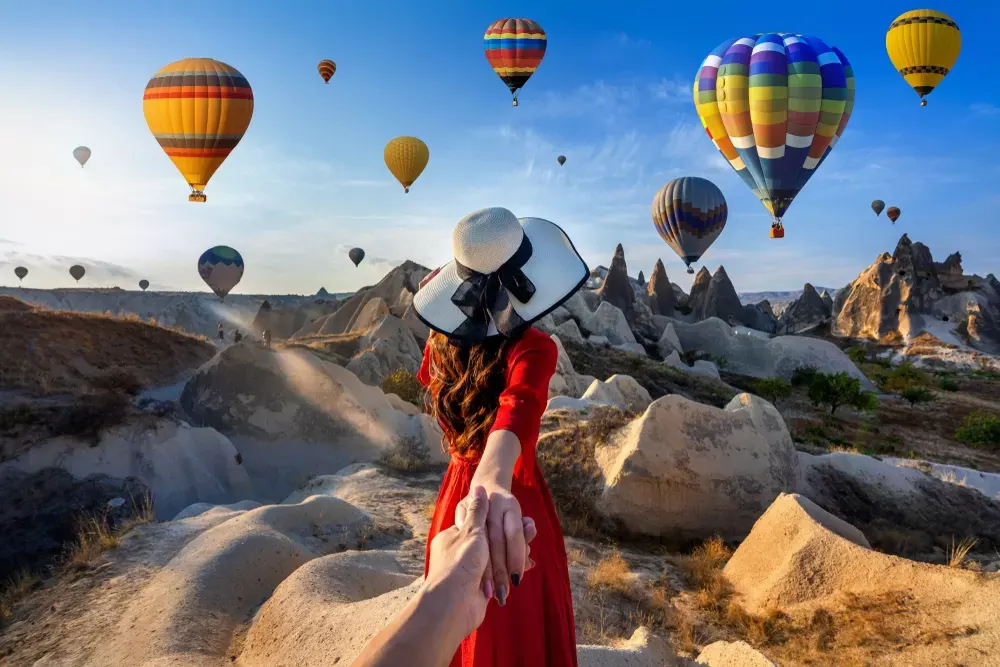
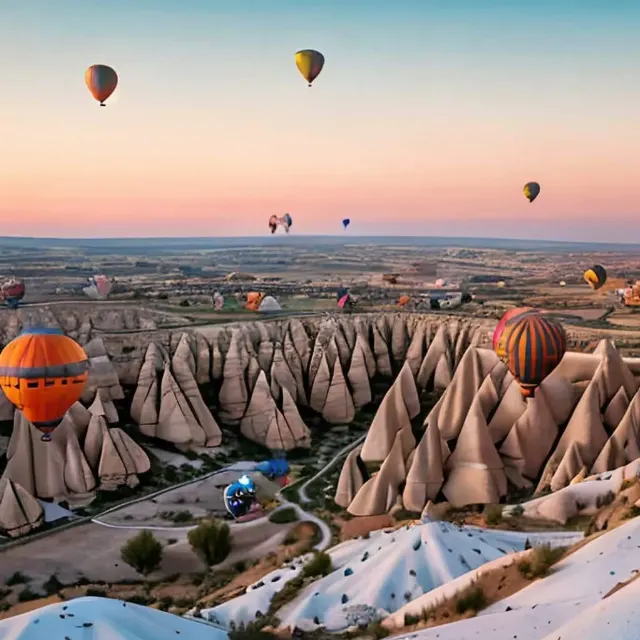
With its fairy chimneys, underground cities and hot air balloons painting the sky, Cappadocia is one of Türkiye’s most extraordinary landscapes. Stretching across Nevşehir, Ürgüp and Avanos, the region was shaped by volcanic eruptions millions of years ago, then carved and crafted by human hands into the fairytale scenery we see today. Rich in nature, history and gastronomy alike, it ranks among the most popular routes for both domestic and international travelers visiting Türkiye. In this guide, we’ve gathered everything you need to know, from the best places to visit in Cappadocia to getting there, where to stay, the best time to go, local cuisine and the top photo spots.
Must-See Places in Cappadocia
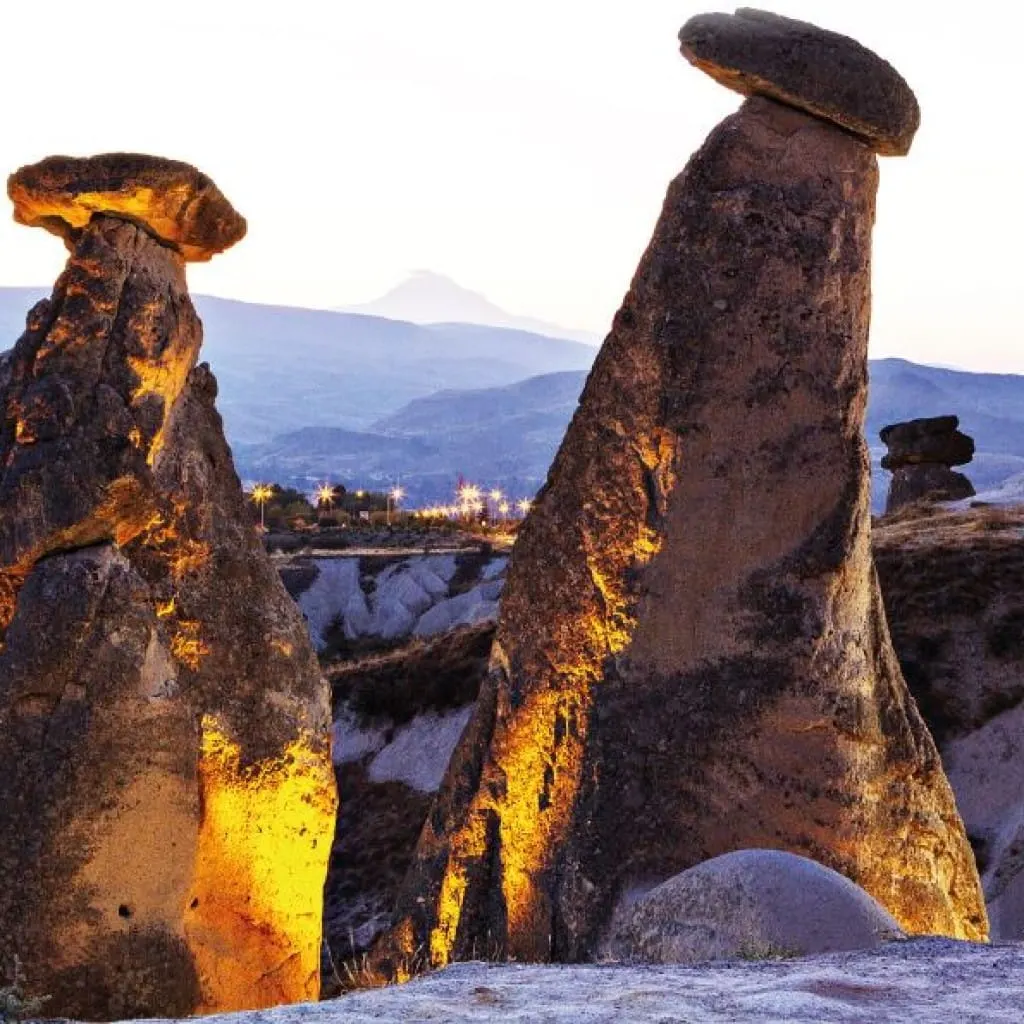
When you arrive in the region, your first stop is usually the Göreme Open-Air Museum, where you can see rock-cut Byzantine churches and their frescoes. Üçhisar Castle, one of the highest points in the region, stands out with its panoramic views, while nearby Ortahisar Castle offers a similar alternative. Paşabağı (Monks Valley) is famous for its multi-capped fairy chimneys, and Avanos for its centuries-old pottery tradition. In Ürgüp, you can stroll through streets lined with stone mansions, and at the Zelve Open-Air Site, you can explore an abandoned rock village spread across three separate valleys and inhabited until the 1950s; right next door, Çavuşin Village is another favorite stop with its old rock-cut houses and sweeping views. In Pigeon Valley, you’ll find thousands of small dovecotes carved into the rock faces, once used for collecting fertilizer and for communication. Perhaps the most astonishing structures in the region are the Derinkuyu and Kaymaklı Underground Cities; Derinkuyu is a vast underground complex reaching a depth of about 85 meters across eight levels, with ventilation shafts, wells and wineries, capable of sheltering thousands of people for years. If you have time, a hike through Ihlara Valley offers a different side of Cappadocia with its greenery and rock churches, while Love Valley and Sword Valley are also great options for shorter walks.
How to Get to Cappadocia: A Ready-Made Package Tour
Planning a Cappadocia itinerary on your own can take days. With Sümela Tur's package tour, transportation, route and guiding are all planned for you from start to finish.
- A tour with transportation, route and itinerary fully planned
- Sightseeing accompanied by a guide who knows the region
- The assurance of a TÜRSAB-licensed agency
- Choose a group tour or a private vehicle tour for your family
You can view dates, prices and the itinerary on the Cappadocia Tour page and book online. If you’d like a plan tailored to you or your group, message us on WhatsApp and let’s design your route together.
Where to Stay: Cave Hotels
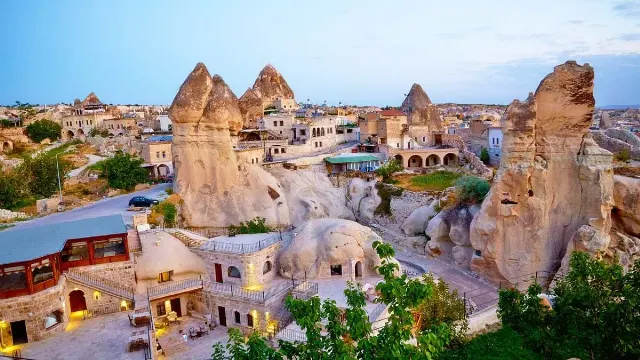
Staying in a rock-carved or rock-style cave hotel is an essential part of the Cappadocia experience. Found in Göreme, Uçhisar and Ürgüp, these hotels offer a truly unique stay, with stone walls, vaulted ceilings and rooms with terraces overlooking the valleys. Staying cool in summer and relatively warm in winter, these rooms benefit from the region’s natural insulation. Prices range widely, from simple guesthouses to luxury boutique hotels; rooms with terraces overlooking the balloons can fill up quickly in high season, so booking early is important. Some cave hotels also offer rooms with jacuzzis and small pools; we recommend checking these details in the hotel descriptions when booking.Best Time to Visit
The ideal times to visit Cappadocia are April–May and September–October, when temperatures are mild; conditions during these months are generally favorable for both daytime sightseeing and balloon tours. Summer can be hot and crowded, while in winter the snow-covered fairy chimneys offer a beauty all their own; however, balloon flights may be canceled on some days due to wind. If you’re joining a balloon tour, keep in mind that you’ll be picked up from your hotel very early in the morning, just before sunrise, and try to book a few days before your trip if possible, as tours can fill up quickly in high season.Other Things to Do in Cappadocia
Beyond the balloon tour, there are plenty of ways to spend your time in the region. Horseback rides through the valleys at sunset or sunrise offer a different perspective among the fairy chimneys. For a more adventurous outing, ATV/quad safaris take you along the trails in and around Red Valley. Stopping by a pottery workshop in Avanos to try your hand at the wheel is both fun and a great insight into the region’s handicraft culture. Wine tasting tours at vineyard houses around Ürgüp and Uçhisar are also becoming increasingly popular. Cappadocia’s rural spots with little light pollution are also ideal for stargazing and astrophotography. For those who’d like to enjoy an evening program featuring folk dances and a whirling dervish performance, the Turkish night events held in Göreme and Ürgüp make a lovely option.The Historical and Cultural Significance of Cappadocia
The name Cappadocia is thought to derive from an Old Persian expression meaning “land of beautiful horses,” and the region has long been known for breeding fine horses. Today’s extraordinary landscape was formed as soft tuff layers, created by ash from Mount Erciyes, Mount Hasan and the surrounding volcanoes millions of years ago, were eroded by wind and rain. Following a history of settlement stretching from the Hittite, Phrygian, Persian and Roman eras to the present day, the region became an important refuge, especially in the early Christian period; clergy and communities fleeing persecution lived in churches carved into the rock and in underground cities like Derinkuyu. Known as the “Cappadocian Fathers,” fourth-century clergymen such as Saint Basil of Caesarea, Gregory of Nazianzus and Gregory of Nyssa played a major role in shaping Christian theology and turned the region into an important religious center of its time. Caravanserais such as Sarıhan, built along the Silk Road during the Seljuk period, also point to the region’s importance in the history of trade. Thanks to this unique combination, Göreme National Park and the surrounding rock sites are inscribed on the UNESCO World Heritage List. Avanos’s millennia-old pottery tradition and the viticulture practiced in the region for centuries are also tangible signs of Cappadocia’s unbroken cultural continuity.Local Cuisine: What to Eat in Cappadocia
Without a doubt, the best-known dish of Cappadocian cuisine is testi kebab (pottery kebab); meat and vegetables are slow-cooked for hours in a clay pot, which is usually cracked open at the table to serve. Nevşehir tava (meat sautéed on a clay tile) is another classic meat dish of the region. Pastry lovers shouldn’t miss mantı, dumplings filled with minced meat and served with yogurt. Nevşehir and its surroundings are especially known for apricot production; dried apricots, apricot desserts and apricot jam are must-tries. Local wines made from grapes grown in the region’s volcanic soil are another Cappadocian experience, best enjoyed at the small wineries around Ürgüp and Uçhisar. Vegetable and meat dishes cooked in clay casseroles are also staples of the local cuisine, and vegetarian travelers can easily find casserole options made with chickpeas and lentils.Where to Eat
Rock-carved, cave-style restaurants in Göreme and Ürgüp offer the region’s signature dining experience, and many of them break open your testi kebab right at your table. Terrace cafés overlooking the valleys are perfect for enjoying tea or Turkish coffee, especially at sunset. Riverside restaurants in Avanos and small eateries in the center of Ürgüp are good choices for those looking for a more local and affordable experience.Best Photo Spots
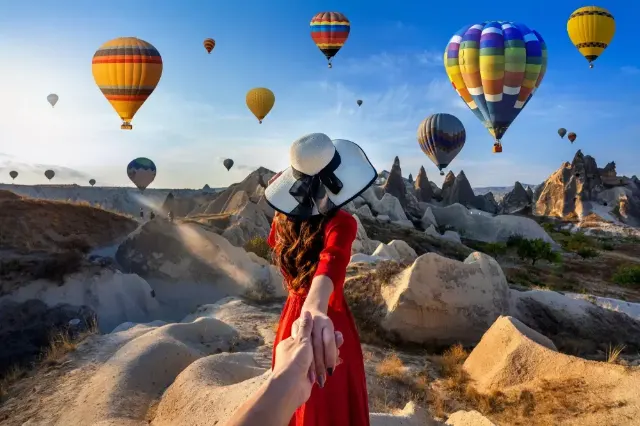
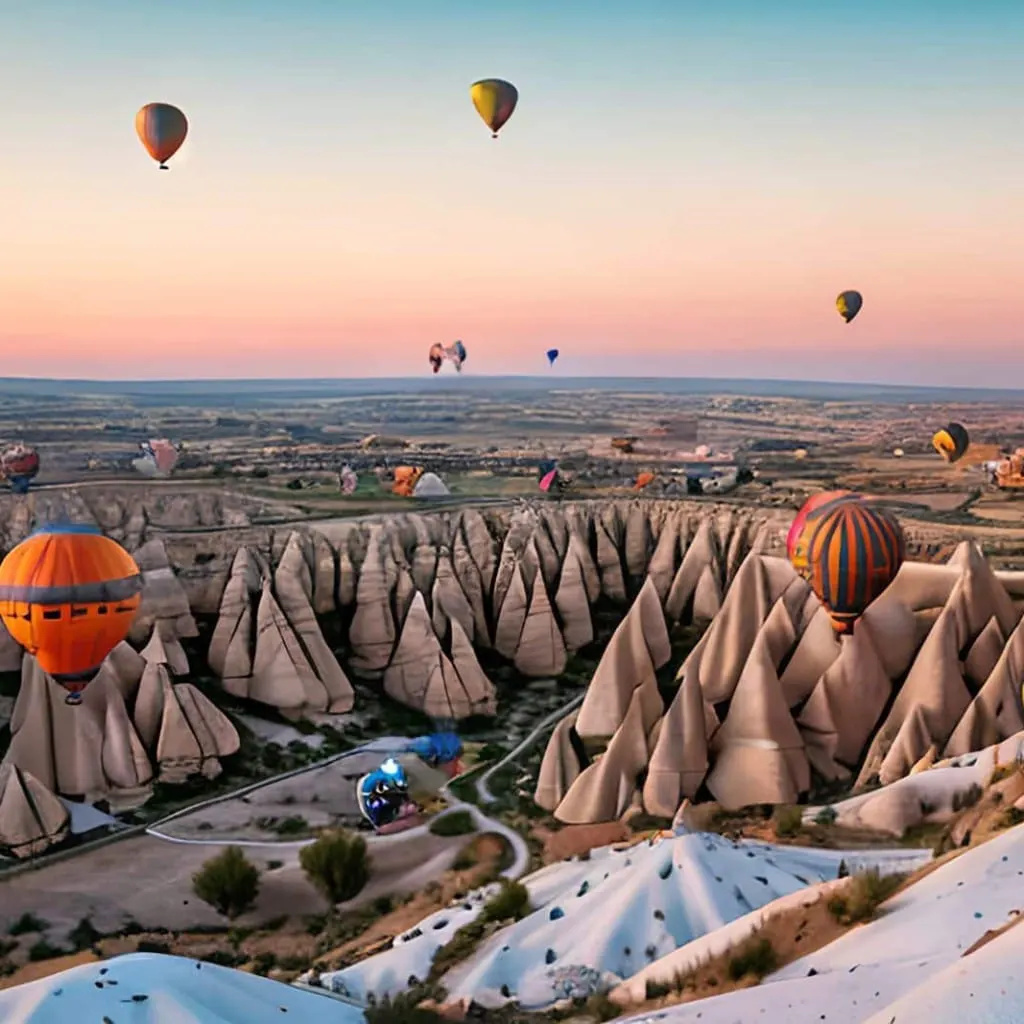
True to its name, Love Valley, with its uniquely shaped fairy chimneys, is one of the most photographed spots in the region. Watching the sunrise from Üçhisar Castle lets you see both the castle and the valley bathed in golden light. Red Valley and Rose Valley offer stunning shots, especially at sunset when the rocks turn shades of orange and red. But Cappadocia’s most iconic sight is undoubtedly the dozens of hot air balloons filling the sky in the early morning; to catch this view, we recommend positioning yourself on the hilltops around Uçhisar or Göreme before sunrise.