
10 Must-Try Flavors of Black Sea Cuisine
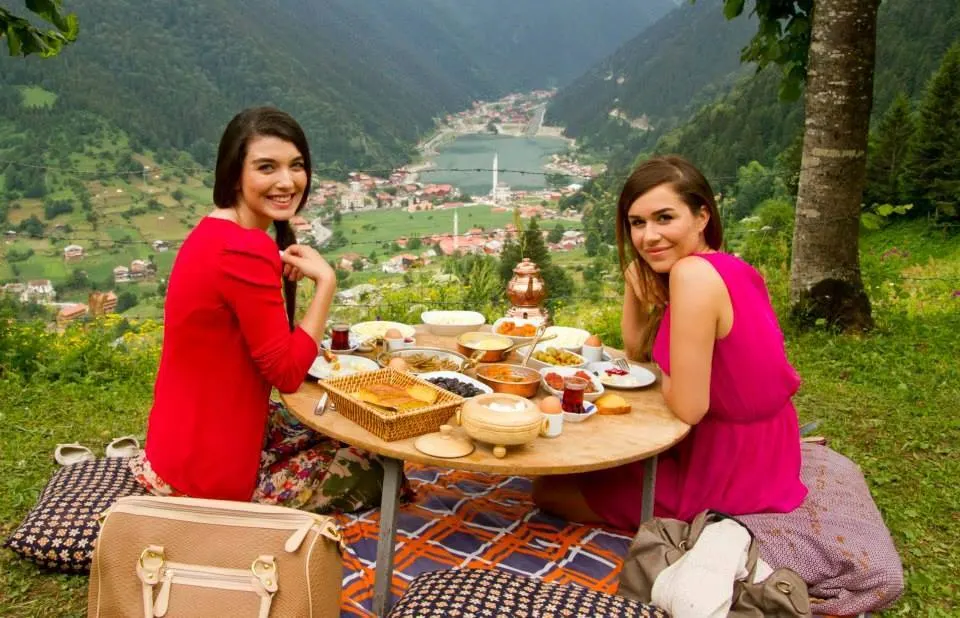
We remember the Black Sea not only for its lush green highlands and misty mountains but also for its tables. In this region, food is about more than filling your stomach. It reflects the climate, the landscape and a culture that has endured for centuries. Corn travels from fertile fields to the table and anchovies from cold waters to the frying pan, and these journeys make Black Sea cuisine one of the most distinctive in Türkiye. Ingredients grown in this rainy, verdant land come together in simple yet hearty recipes, and every valley and every plateau has a flavor all its own. In this article, we bring together the flavors you simply must taste when you visit the region, where and when to enjoy them, and the routes you can explore while you savor them.
Must-Try Flavors of Black Sea Cuisine
Corn, collard greens (kara lahana), anchovies, hazelnuts and fresh dairy products form the foundation of Black Sea cuisine. Here are the key flavors you should try when you visit the region:
- Mıhlama (Kuymak): Made with fresh kaşar or mıhlama cheese, cornmeal and butter, and served piping hot, this hearty dish is known as "mıhlama" in Rize and "kuymak" in Trabzon. It is usually enjoyed with cornbread.
- Hamsili Pilav and Hamsi Tava: At its freshest between November and February, hamsi (Black Sea anchovy) shows up baked into pilaf, pan-fried or tucked inside pastry. Visiting the Black Sea without eating hamsi is almost impossible.
- Collard Green Soup and Stuffed Collard Greens: A winter essential, collard greens come to the table both as a soup thickened with cornmeal and as sarma, rolled with rice and meat.
- Laz Böreği: Not to be confused with baklava, this dessert is filled with custard and drenched in syrup, and it is the signature sweet of Rize and its surroundings.
- Akçaabat Köftesi and Vakfıkebir Bread: These long, slender meatballs originate from Trabzon's Akçaabat district. Paired with Vakfıkebir bread, found all over the city, they take on a whole new layer of flavor.
- Black Sea Pide: Boat-shaped and baked with kaşar cheese and a cracked egg on top, this pide is one of the region's most convenient yet most filling dishes.
- Kaygana: Made with eggs, flour and milk and sometimes sweetened with pekmez (grape molasses), this thin, crêpe-like treat is a common sight at breakfast tables, especially in rural areas.
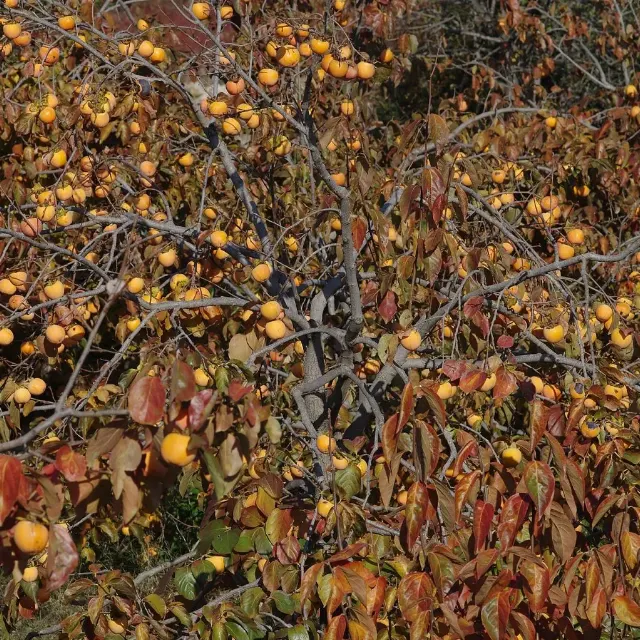
- Hazelnuts and Taflan Jam: Giresun and Ordu are among the world's most important hazelnut-producing centers. Jam made from taflan (cherry laurel), a fruit native to the area, is another flavor you shouldn't miss.
Routes Where You Can Taste These Flavors
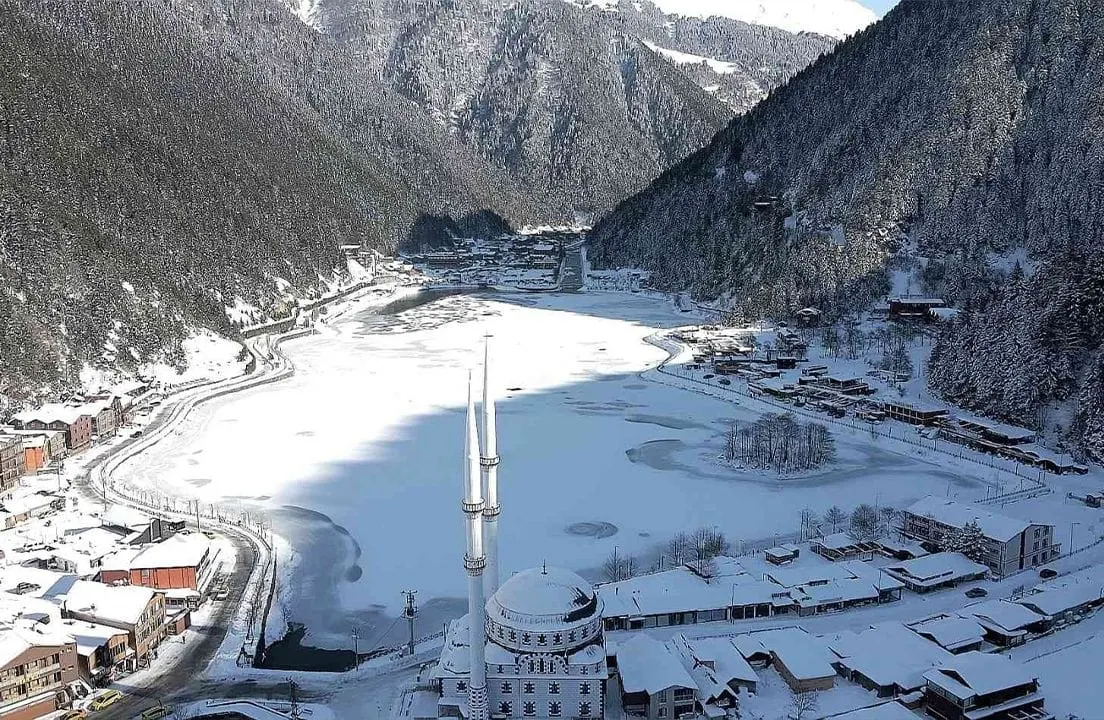
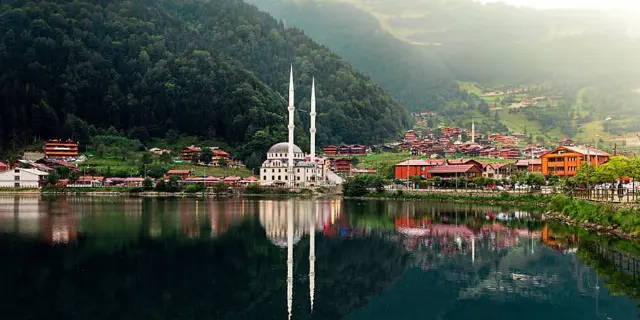
To experience Black Sea cuisine at its most authentic, you need to explore the region's highlands and coastal towns. On the Uzungöl Tour, you can enjoy breakfast with fresh trout and cornbread at small lakeside restaurants. On the Ayder Tour, you can savor piping-hot mıhlama in traditional highland houses. Along the Giresun and Ordu route, you can discover hazelnut orchards as well as the fish restaurants of seaside towns. On the Sümela and Hamsiköy route, you can try the region's famous milk-based desserts. Trabzon's city center stands out for its restaurants where you can enjoy Akçaabat köftesi and Vakfıkebir bread together.
Taste Black Sea Flavors on the Spot with Our Tour
The best way to enjoy the flavors in this article is to taste them right where they come from during a Black Sea trip. On our tours, our guide stops at the region's well-known restaurants and local food spots.
- Guided stops at local food spots
- Transportation and itinerary all arranged, so there's no planning needed
- Choose between a group tour or a private vehicle tour for your family
You can check dates, prices and the itinerary on the Black Sea Tour page and book online. If you'd like a plan tailored to you or your group, message us on WhatsApp and let's plan the route together.
Best Time to Visit
June to September is ideal for those who want to enjoy highland flavors and lush green scenery. This is when the plateaus come alive and dairy products are at their freshest. For anchovy lovers, November to February is the season when the fish is at its tastiest. Those who want to try winter dishes such as collard green soup and stuffed collard greens should also visit during these colder months. The hazelnut harvest, which begins in late September, is another delightful time to visit Giresun and Ordu.
Where to Eat

The highland houses of Uzungöl and Ayder offer the most special experience in terms of both scenery and flavor. At these spots, you'll usually find mıhlama made with the day's fresh milk and hand-made cornbread. In Trabzon's city center, köfte restaurants and pide houses carrying on decades-old traditions take center stage. Along the coast, especially in winter, fish restaurants serving fresh anchovies pan-fried or baked in pilaf are everywhere. In and around Rize, tea gardens are ideal stops both for a break and for sampling desserts like Laz böreği. Family-run restaurants in small villages often offer a "menu of the day," serving whatever was cooked that day, which guarantees you the freshest and most local flavors.
Photography Tips
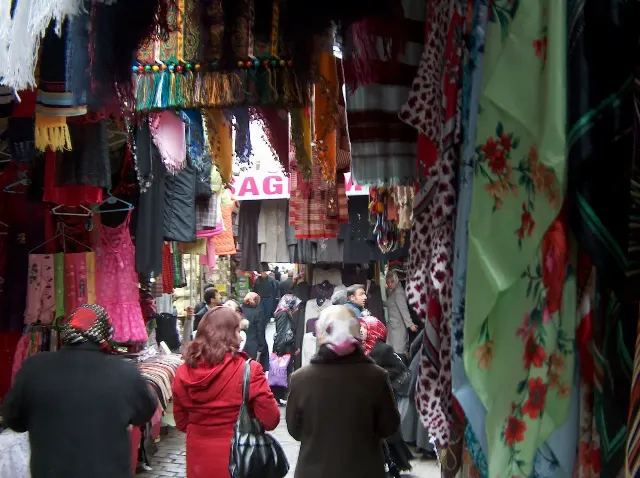
For food photos, choose midday when there's plenty of daylight. A steaming pan of mıhlama on the wooden tables of a highland house makes for stunning shots in natural light. In tea gardens, framing your glass of tea against the green hills behind it is one of the compositions that best captures the Black Sea atmosphere. In coastal towns, shots of fishing boats and grilled anchovies at sunset are also very popular. Colorful vegetable and hazelnut stalls at local markets offer another great opportunity for candid shots that reflect everyday life in the region.
History and Cultural Roots of Black Sea Cuisine
Black Sea cuisine bears the marks of the region's mountainous, humid landscape as well as the Laz, Hemshin and Pontic cultures. After arriving in the region in the 17th and 18th centuries, corn quickly became a staple food, replacing millet, which had previously been widespread. To this day, cornmeal forms the basis of many dishes, from bread to soup. Similarly, collard greens have been a winter table essential for centuries as one of the vegetables best suited to the region's cold, rainy climate. Tea cultivation, by contrast, is a relatively recent tradition: trials began with seeds brought to Rize in 1924, leading to the first plantations in the 1930s and the opening of the first tea factory in 1947. Today, Rize and its surroundings supply nearly all of Türkiye's tea. Anchovies, meanwhile, have been a primary source of protein for local people for centuries, so much so that they appear in many folk songs and sayings about the Black Sea way of life. These cultural layers have given the region's cuisine a unique identity that sets it apart from other parts of Türkiye.
Practical Tips
- Highland houses can get crowded, especially in summer, so try to arrive before midday if you can.
- Mıhlama and kuymak are quite rich and heavy dishes. If you have a sensitive stomach, start with small portions.
- If you're allergic to seafood or anchovies, be sure to let the restaurant know before ordering.
- Picking up fresh hazelnuts, taflan jam or a pack of tea before leaving the highlands or coastal towns can turn your trip into a delicious memory.
- Don't forget to bring a waterproof jacket and comfortable shoes for cold, rainy weather.
- Small highland restaurants may not accept credit cards, so it's a good idea to carry enough cash with you.