
Black Sea Highlands Guide: Which Plateau to Visit and When?
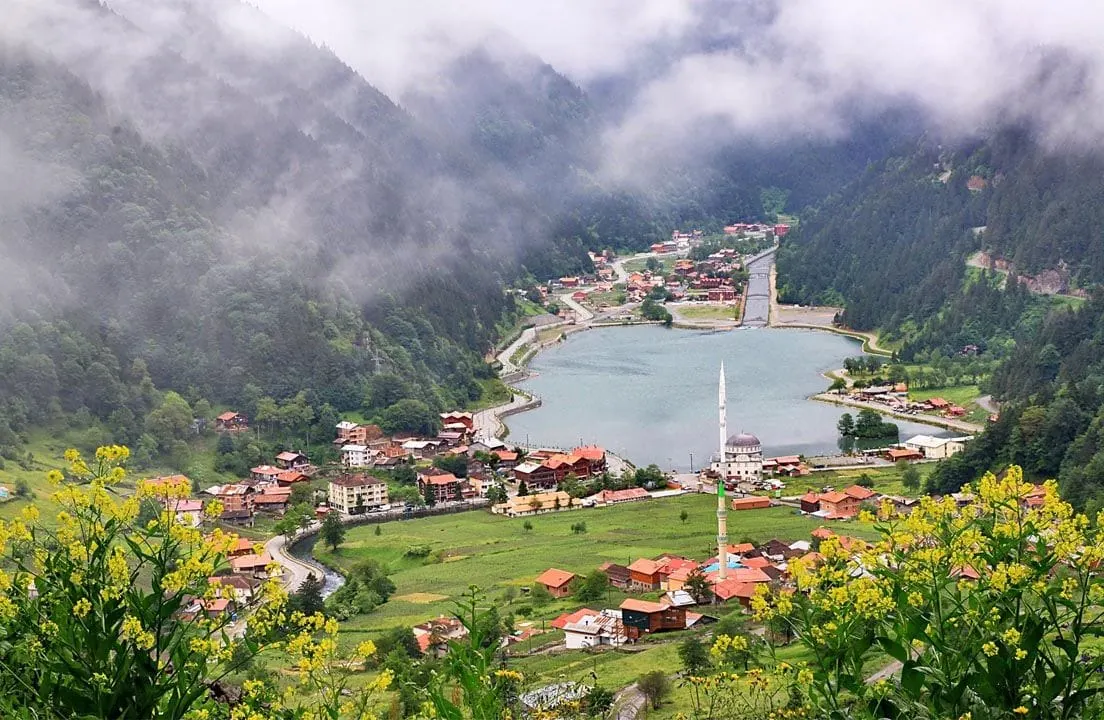
The Black Sea brings to mind green slopes vanishing into the mist, wooden highland houses and plateaus that seem to sit above the clouds. Yet not every plateau in the region is at its best in the same season. Uzungöl's autumn colours and the sea of clouds over Pokut Plateau in July are two very different experiences. In this guide you'll find the Black Sea's most beloved plateaus, how to reach them, which plateau to visit in which month, and the local flavours you shouldn't miss.
The Legendary Plateaus of the Black Sea: Where Are They?
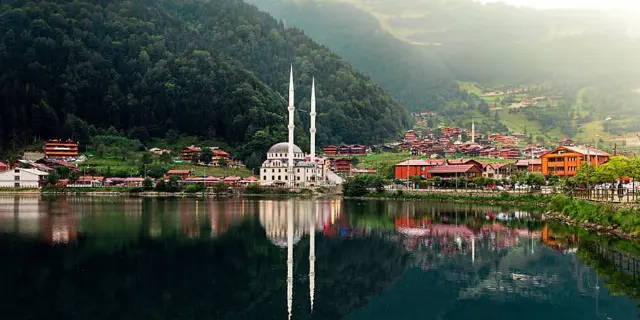
The Eastern Black Sea is home to dozens of plateaus stretching from Trabzon to Artvin. The most visited include Uzungöl, the pearl of Trabzon; Ayder Plateau within the borders of Rize-Çamlıhemşin; Pokut and Huser Plateaus, perched above the clouds at the foot of the Kaçkar Mountains; Karagöl in Artvin-Şavşat, famous for its lake and forest; Hıdırnebi Plateau in Trabzon-Maçka, known for its sea of clouds; Mavigöl (Kuzalan), Giresun's green paradise; and the Gito-Badara Plateaus, another favourite route in Çamlıhemşin. Each has its own landscape, vegetation and local culture, offering a distinct experience of its own.
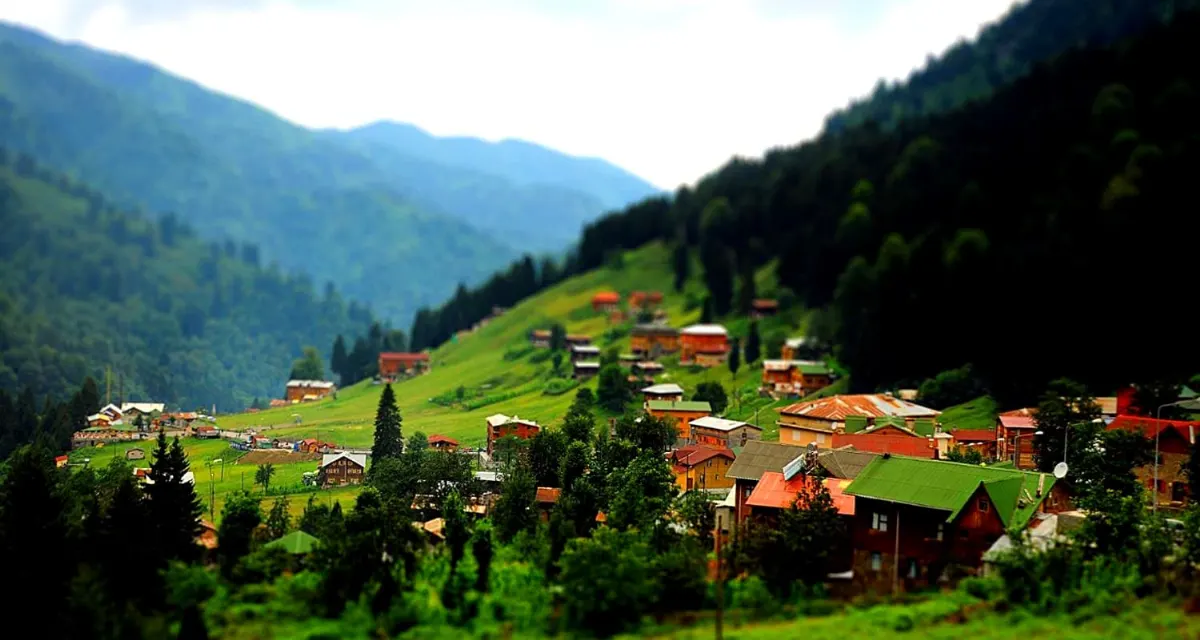
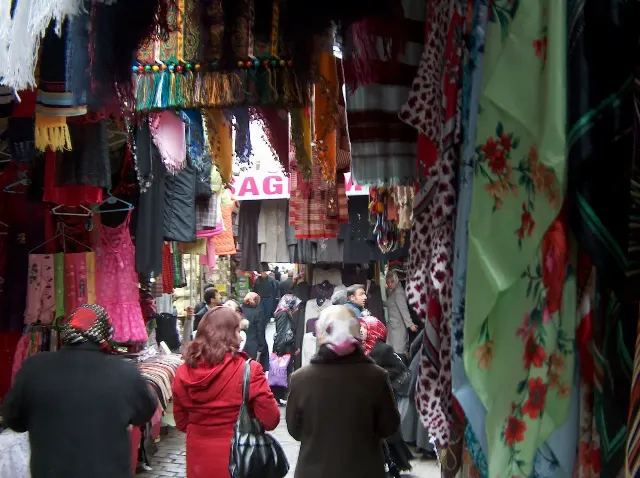
Ayder, for example, offers a more "developed" highland experience with its hot springs and busy bazaar, while Pokut and Huser are far quieter plateaus where you can truly be alone with nature. So when planning your trip, consider not only the region but also the atmosphere you're looking for.
How to Get to the Plateaus? The Easiest Way Is a Guided Plateau Tour
The roads to the Black Sea plateaus are narrow, winding and unpaved in many places. With our drivers who use these roads every day and our guide who knows the region inside out, your plateau trip will be both safe and comfortable.
- Pick-up and drop-off from your hotel or meeting point
- Tour accompanied by a guide who knows the region
- Peace of mind with a TÜRSAB-licensed agency
- Choice of group tour or private vehicle tour for your family
You can see dates, prices and the itinerary on the Black Sea Tour page and book online. If you'd like a plan tailored to you or your group, message us on WhatsApp and let's create your route together.
Which Plateau Should You Visit and When?
For most Black Sea plateaus, the ideal time to visit is between late May and mid-September; during these months the roads are open, the meadows are lush and green, and the weather is mild. However, each plateau has its own "golden season":
- Uzungöl: Beautiful in every season from April to November; golden autumn leaves and snowy winter scenery each offer their own special charm.
- Ayder Plateau: At its liveliest from June to September; thanks to its hot springs, it can also be visited in autumn and the milder winter months.
- Pokut and Huser Plateaus: Due to their high altitude, the snow melts late; July and August are the best months, both because the roads are fully open and for the famous sea of clouds.
- Karagöl: From June to September, and especially in July and August, the forest around the lake is at its greenest.
- Hıdırnebi: To see the sea of clouds, early mornings at sunrise between June and September are ideal.
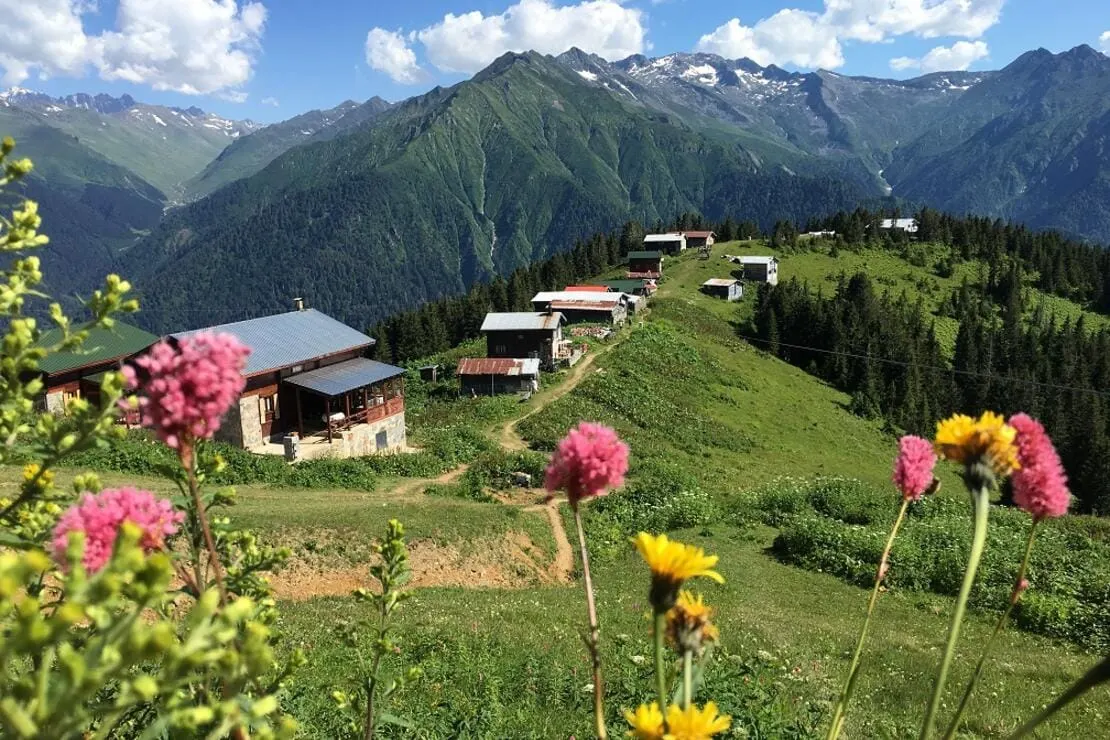
In short, if you're planning to go in early spring, lower-altitude plateaus like Uzungöl are your best bet, while in midsummer months such as July and August, high plateaus like Pokut, Huser and Ayder are the ideal choice.
Where to Eat on the Plateaus and What to Try?
Small local businesses and simple restaurants set up in the gardens of highland houses serve the most authentic flavours of Black Sea cuisine. In Ayder and Uzungöl, you'll find both regional dishes and barbecue options at the restaurants in the bazaar; on more remote plateaus like Pokut and Huser, meals are usually served by a single highland house, which is why hot griddle bread and butter-rich breakfast spreads are especially famous here. These are the flavours you simply must try when visiting the region:
- Mıhlama (Muhlama): A creamy highland classic made with butter, cornmeal and fresh kashar or mihaliç cheese, served piping hot.
- Kuymak: Another cornmeal dish similar to mıhlama but usually simpler, prepared mainly with butter and cheese.
- Hamsili Pilav: Rice baked in the oven with anchovies and spices, a staple of every Black Sea table.
- Laz Böreği: A lightly sweet tray dessert made by layering thin pastry sheets with a custard-like cream.
- Karalahana Çorbası: A hearty soup made with black cabbage, cornmeal and sometimes beans, especially popular in the winter months.
And no plateau visit is complete without strong Rize tea, which the locals drink almost like water.
The Best Shots for Photography Lovers
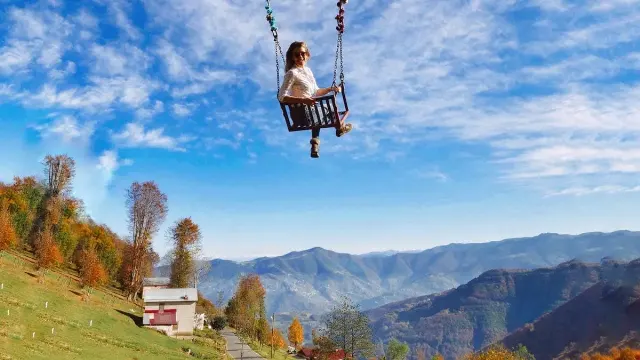
The Black Sea plateaus turn into a natural studio for photography, especially in the early morning hours. Hıdırnebi Plateau and Pokut Plateau are famous for the sea of clouds that fills the valleys at sunrise; to capture this shot, you'll need to be on the plateau about half an hour before dawn. In Ayder, the green valley behind the hot spring buildings, and in Uzungöl, the fir forest reflected in the mirror-like lake are among the most shared shots.
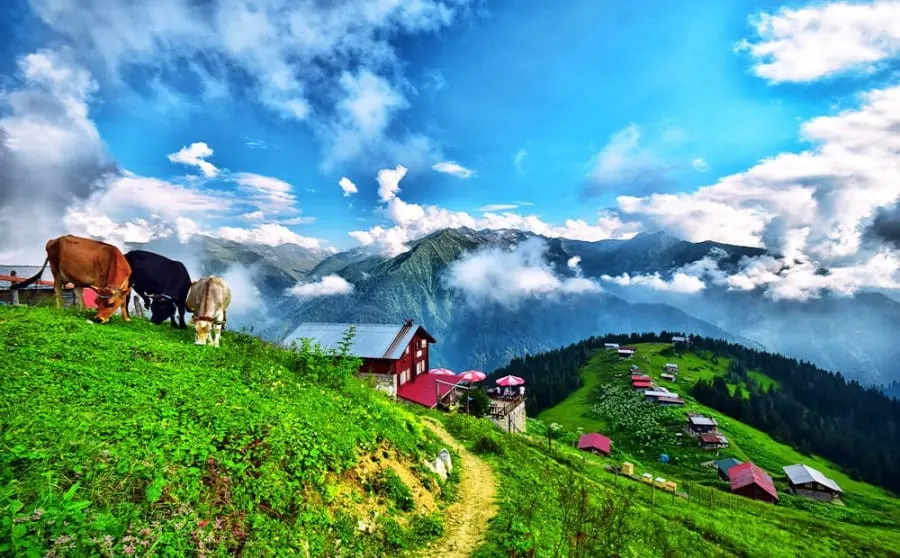
By framing wooden highland houses, grazing animals and trails disappearing into the mist, you can capture "postcard-perfect" shots that reflect the true character of the Black Sea. A wide-angle lens or your phone's panorama mode comes in very handy for capturing the valley views in all their glory.
The History and Significance of Highland Culture
Transhumance has been a way of life in the Eastern Black Sea for centuries. The Hemshin and Laz communities in particular migrate from their villages to the plateaus with their animals during the summer months; locally, this is known as the "yayla göçü" (highland migration). This tradition is not merely an agricultural necessity but also the carrier of a strong cultural identity: folk songs accompanied by the tulum and kemençe, horon dances and the highland festivals held in summer are the most vibrant expressions of this culture. Traditional highland houses built of wood and stone, empty in winter and full of life in summer, are tangible traces of this semi-nomadic way of life. When visiting the region, we recommend taking time to discover not only its natural beauty but also this deep-rooted way of life.
What to Bring When Heading to the Plateaus
The high plateaus of the Black Sea can have very different weather from the lowlands, even on the same day. Keep these practical tips in mind for a comfortable trip:
- Waterproof jacket or raincoat: Sudden downpours are common in the Black Sea region, and on high plateaus like Ayder, Pokut and Huser the weather can change within minutes.
- Thick socks and waterproof shoes/boots: The ground on the plateaus is mostly wet and muddy.
- Layered clothing: Bring a light sweater or fleece to adapt to highland weather, which can be cool in the morning and sunny at noon.
- Sunscreen and a hat: The sun's rays are stronger at altitude, so don't neglect sun protection even when it looks cloudy.
- Cash: Some small highland businesses may not accept credit cards.
- Plan an early start: Setting off before sunrise gives the best results, especially for sea-of-clouds and landscape photos.
Once you've made these preparations, all that's left is to let yourself be carried away by the misty, green and welcoming atmosphere of the Black Sea. Whether you choose the tranquillity of Uzungöl, the sea of clouds over Pokut or the hot springs of Ayder, a plateau trip planned for the right season will let you discover the Black Sea at its very best. If you'd like to experience this route in comfort and with everything planned for you, you can start with the Uzungöl Tour and then explore our routes covering the other plateaus in the region.