
Kemençe and Horon: Trabzon's Music and Dance Culture
Getting to know Trabzon only through its scenery and its cuisine tells just half the story. The city's true rhythm comes alive the moment a kemençe's strings are first touched at a wedding or a highland festival. The kemençe and the horon are the two cornerstones that express the joy, energy and solidarity of the Black Sea people. In this guide, we explore Trabzon's music and dance culture: what kind of instrument the kemençe is, the finer points of the horon, and where and how you can experience this culture as a visitor.
Many travelers from outside Trabzon first see the horon on television or social media. But standing in the open air, inside a horon circle where dozens of people shimmy shoulder to shoulder in perfect unison, is a completely different experience. Arriving with a little background knowledge helps you understand what you're watching and gives you the confidence to join the circle.
What Is the Black Sea Kemençe?
The Black Sea kemençe is a small-bodied folk instrument, played with a bow and usually fitted with three strings. Its narrow, elongated body is carved from a single piece of wood; craftsmen traditionally favor local woods such as plum, mulberry and juniper. The instrument is held upright: a seated musician rests it on the knee, while a standing player holds it close to the chest.
The kemençe's distinctive sound comes from its strings typically being played two at a time. As a result, even a single kemençe delivers a tune with both the melody and a continuous drone (known as dem). This ornate, fast-paced, staccato sound is the driving force that sets the tempo of the horon.
The Difference Between the Kemençe and the Tulum
The other instrument that comes to mind when people think of the Black Sea is the tulum. The tulum is a type of bagpipe made from animal hide and is most common around Rize and Artvin; it can also be heard in areas east of Trabzon such as Of and Çaykara. In central Trabzon, Maçka, Akçaabat and the western districts, however, the kemençe owns the stage. In some areas, the horon is also accompanied by the zurna and davul (shawm and drum).
Horon: Trabzon's Common Language
The horon is a communal folk dance unique to the Black Sea region. Dancers line up in a circle or a row, usually holding hands or linking arms. At the heart of the movement are rapid shimmies of the shoulders and torso, and small but sharp steps striking the ground. The rhythm often differs from familiar straight meters; Black Sea music frequently uses asymmetric rhythms such as 7/8 and 7/16. This is what gives the horon its familiar "rushing" feel.
The person leading the circle is called the horonbaşı. Standing at the end of the line, the horonbaşı announces changes in movement with a call or a signal and decides when the tempo will pick up. The harmony between the kemençe player and the horonbaşı is the secret of a great horon.
The Stages of the Horon
- Slow opening: The circle forms and the steps are calm and steady. Newcomers find the rhythm during this part.
- Acceleration: As the kemençe's tempo rises, the shoulder shimmies and foot stomps become more pronounced.
- Climax (the sıksara section): The tempo reaches its peak, the circle tightens, and the dancers move almost as a single body.
Horon steps and their names vary from village to village and district to district. Locals can instantly tell the difference between a horon danced in Maçka and one danced in Of or Akçaabat. For visitors, what matters is knowing that this very diversity is what keeps the horon a living tradition.
Banter, Atma Türkü and the Voice of the Kemençe
In Trabzon, the kemençe isn't just dance music. Short, witty quatrains sung to the kemençe, often improvised on the spot, are called atma türkü. At weddings and festivals, two people teasing each other with back-and-forth atma türkü can turn into a contest that has the audience in stitches.
These verses weave together love, life far from home, the sea, the highlands, hamsi (anchovies) and everyday life. This is where the Black Sea people's famous quick wit shines brightest. Since they're sung in the local dialect, you may not catch every word, but you don't need to speak the language to enjoy the rhythm and the laughter.
Traditional Costumes and the Visual World of the Horon
In stage performances and at some festivals, horon troupes dance in traditional costumes. The best-known piece of men's attire is the zıpka, trousers that are baggy at the top and tight below the knee; it is worn with a vest or jacket (çepken), and a silver-decorated belt or sash is tied at the waist. Women's costumes feature colorful dresses, aprons and patterned headscarves such as the keşan, which is closely associated with Trabzon.
When the costumes are dark and simple, the horon's rapid shimmies stand out even more clearly. For photography lovers, a horon circle is a delightful subject, whether you want to freeze the motion or deliberately capture it as a blur.
Where Can You Experience the Kemençe and Horon?
Hearing the sound of a kemençe in Trabzon isn't hard, but to see a lively, spontaneous horon you need to pick the right time and place.
Highland Festivals
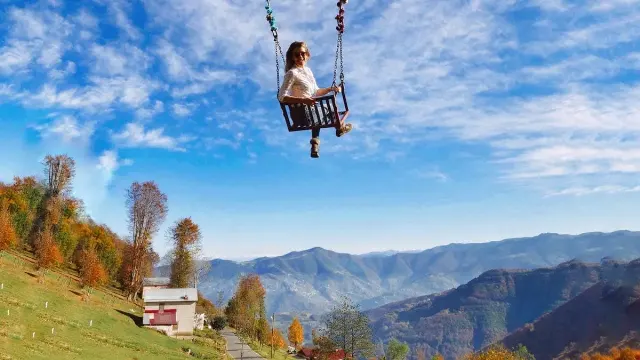
The most authentic experience is the highland festivals held in summer. Throughout July and August, festivals take place in many of Trabzon's highland plateaus, usually on weekends. Kadırga Plateau and Hıdırnebi Plateau in Maçka are among the places best known for these festivals. These gatherings bring together kemençe players, horon circles, local products and sometimes traditional competitions. Since festival dates can change every year, check the current calendar with local sources before making plans.
Even if your visit doesn't coincide with a festival, day trips such as the Hıdırnebi Tour are a great way to soak up the highland atmosphere. If you're wondering which plateau to visit in which month, take a look at our Black Sea highlands guide.
Weddings and Celebrations
In Trabzon, weddings are the most natural setting for the kemençe and the horon. Especially in summer, open-air weddings in villages and districts can feature horon circles that last until the early hours of the morning. Of course, rather than showing up uninvited, it's best to take advantage of such an opportunity through local acquaintances if you have any.
City Center and Restaurants
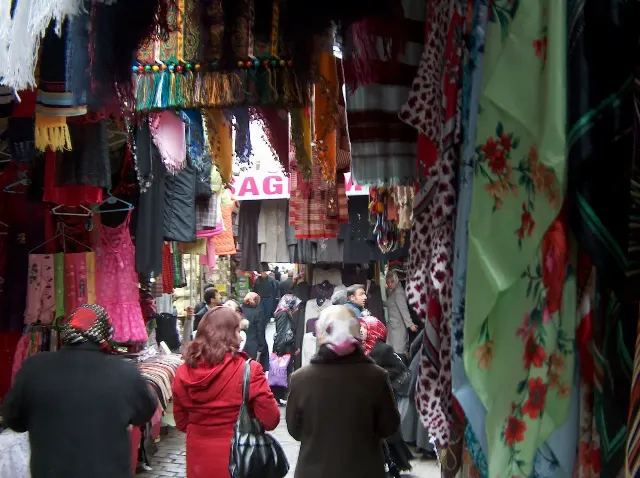
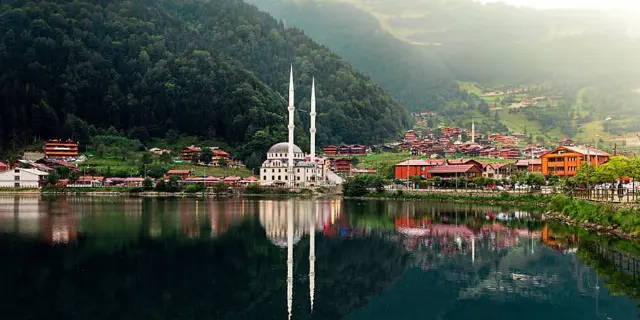
In central Trabzon and at tourist spots such as Uzungöl, some restaurants and cafés offer live kemençe music in the evenings. These events may not be regular, so it's worth asking the venue before you go. Exploring the city's historic quarter and bazaar by day and then dining to live music in the evening is an easy way to feel the culture on a short visit to Trabzon. For your daytime plans, the Trabzon City Tour lets you see the main sights of the city center in a single day.
Things to Do Around the Kemençe and Horon in Trabzon
For those who want more than just watching, Trabzon offers various ways to connect with this culture. Here are activities a visitor can genuinely enjoy:
- Join a horon circle: At festivals, the circles are usually open to everyone. Take the hand of the person next to you and simply mimic the steps for the first few minutes; the shoulder shimmy will come with time.
- Visit a highland festival: Besides listening to the kemençe, you can taste local products such as highland butter, cheese and honey, and go for a nature walk.
- Buy a kemençe: Handmade kemençes can be found in the bazaar in the city center and at some musical instrument shops. Small souvenir models are also popular.
- Check out courses: Trabzon has courses and associations that teach the kemençe and folk dances. If you're staying for a while, you can look into current course options.
- Take photos and videos: The horon is a wonderful subject for motion photography. Don't forget to ask people for permission before shooting, especially for close-ups.
- Combine it with outdoor activities: While you're up in the highlands, you can go hiking and round off the day with activities such as an ATV safari in suitable areas.
If you're curious about other options in Trabzon, check out our article on the 15 best things to do in Trabzon.
Practical Tips for Visitors
- Timing: Aim for July–August to see the horon at its liveliest. In winter, indoor events take center stage.
- Clothing: The weather in the highlands changes quickly. Bring a jacket and a raincoat even in summer; comfortable shoes are a must on grassy ground.
- Transportation: On festival days, highland roads get crowded and parking becomes difficult. Going with a guided tour takes the stress out of the journey.
- Respect: Don't cut through the middle of a horon circle; if you want to join, enter from the end of the line or at someone's invitation.
- Cash: Small stalls at highland festivals may not accept cards, so keep some cash on hand.
If you'd like to combine your cultural trip with nature, the Uzungöl Tour also lets you experience Çaykara's highland culture up close.
Frequently Asked Questions
Do I need any experience to dance the horon?
No. The circles at festivals are generally open to everyone. By watching the people next to you, you can pick up the basic movement in just a few minutes. It's also perfectly normal to step out of the circle when the tempo picks up.
Are the kemençe and the tulum the same instrument?
No. The kemençe is a stringed instrument played with a bow, while the tulum is a wind instrument, a type of bagpipe made from hide. The kemençe is more common in most of Trabzon, while the tulum is more widespread around Rize and Artvin.
When are the highland festivals held?
They are usually held in July and August, mostly on weekends. Since the dates can change every year, check the latest information from local municipalities or announcements before you set off.
Can I buy a kemençe as a souvenir in Trabzon?
Yes. The bazaar in the city center offers both playable handmade kemençes and small decorative models. If you're buying a playable instrument, ask the seller for advice on tuning and care.
Conclusion
The kemençe and the horon are the experiences that lift Trabzon off the postcard and turn it into a living, breathing city. When you get swept up in the quickening rhythm of the kemençe at a highland festival and join the circle, you feel the energy and warmth of the Black Sea people firsthand. Try to time your trip for the summer months, set aside at least one day for the highlands and spend your evenings with music; you'll leave Trabzon with a kemençe melody still ringing in your ears.