
What to Do in Uzungöl in Winter? A Black Sea Fairy Tale Under the Snow
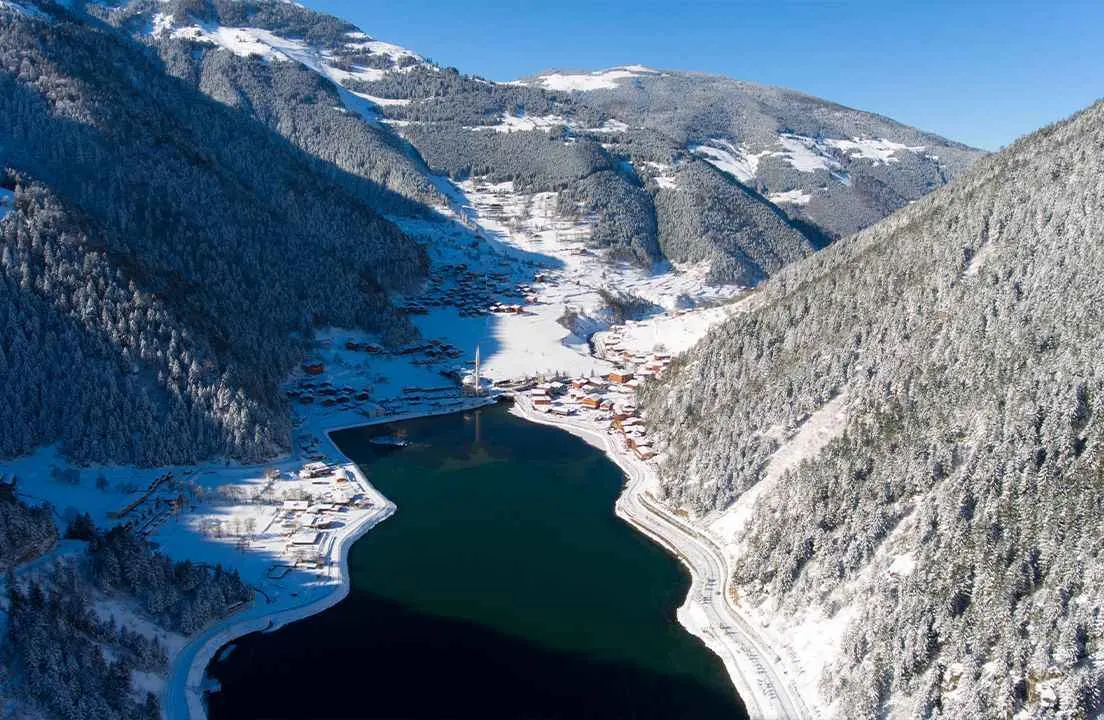
Uzungöl usually brings to mind lush green highlands, misty mornings and summer getaways. Yet this natural wonder in the Çaykara district of Trabzon takes on a whole new identity once the snow falls. With its snow-covered pine forests, frozen lakeshores and steaming breakfast spreads, Uzungöl in winter is arguably even more magical than in summer. Unlike the busy summer season, the area around the lake is calmer and more peaceful in the winter months, and far more striking through the camera lens. In this article, we've gathered everything you need to know if you're planning a winter trip to Uzungöl, from places to visit and getting there to local flavors and the best photo spots. If you'd like to explore the region comfortably on an organized tour with accommodation and transportation included, take a look at our Uzungöl Tour program.
Winter brings Uzungöl into its quietest season of the year. The lakeshore, packed with busloads of visitors in summer, practically empties out with the first snowfall, giving way to a deep, peaceful silence. This tranquility has made winter the favorite time of year for nature photographers, couples planning a honeymoon escape and travelers seeking a getaway far from the crowds. In the sections below, you'll find all the details you need to make the most of this unique season.
Places to Visit and Winter Activities in Snow-Covered Uzungöl
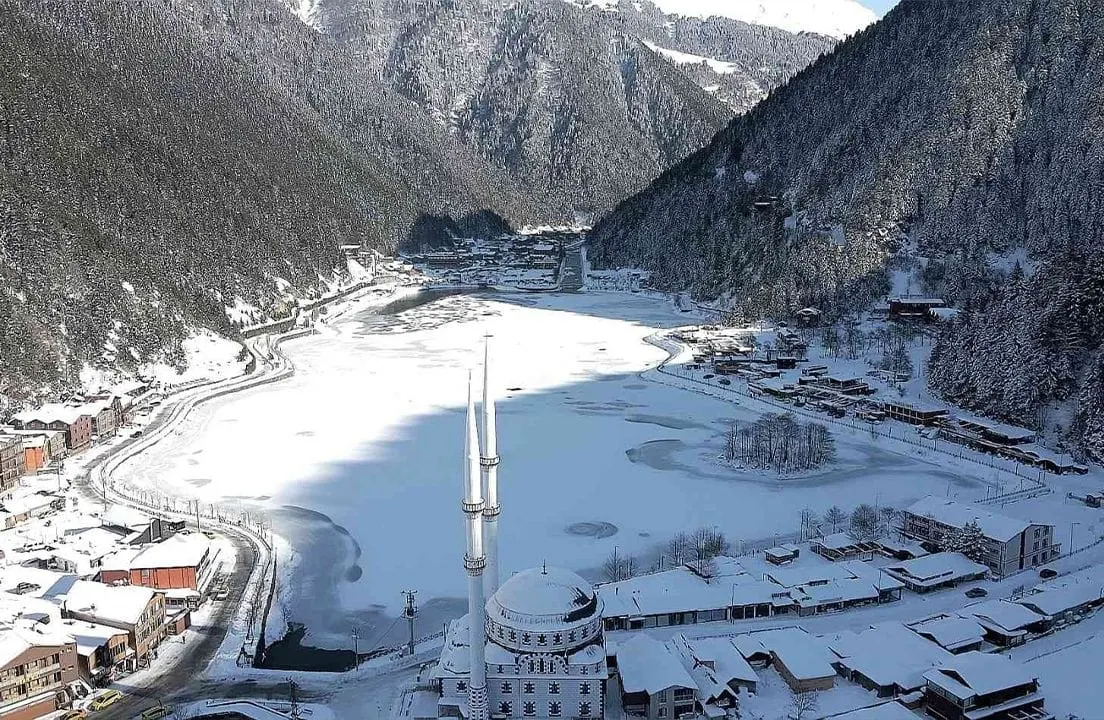
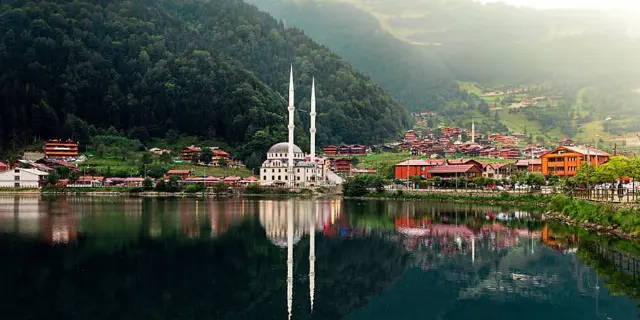
The most striking feature of Uzungöl in winter is the fir and spruce forests around the lake turning completely white. The wooden pier right on the shore and the small mosque with its eye-catching minaret are among the most photographed spots under the snow. On the 3-4 kilometer walking trail around the lake, you'll share the path with families having snowball fights, visitors strolling through the snow and photographers waiting for sunrise with their tripods. Those who venture higher, to Haldizen and the surrounding highlands connected to Uzungöl when weather conditions allow, are greeted by an even thicker blanket of snow, with smoke rising from the chimneys of highland houses completing the scene. If you'd rather stay warm, you can enjoy the view with a hot drink by the fireplace in the wooden cafés along the lakeshore. Depending on snow depth, some businesses occasionally offer sledding; for families with children, activities like these become some of the most fun moments of the trip. Local products such as hand-knitted woolen socks, honey and butter from the small shops in the village square also make lovely souvenirs of your visit.
How to Get to Uzungöl in Winter? A Guided Tour Is the Safest Option
Driving on snowy, icy roads in winter is both exhausting and risky. With our winter-ready vehicles and experienced drivers, you can enjoy the views of snowy Uzungöl with complete peace of mind.
- Pick-up and drop-off from your hotel or a meeting point
- Sightseeing accompanied by a guide who knows the region
- Peace of mind with a TÜRSAB-certified agency
- Choice of a group tour or a private tour with a vehicle just for your family
You can view dates, prices and the itinerary on the Uzungöl Tour page and book online. If you'd like a plan tailored to you or your group, message us on WhatsApp and let's plan the route together.
The Best Time to Visit Uzungöl: Which Month, What Time?
For those who want to see the snowy scenery, the best period is from late December to February, when the region usually has lasting snow cover. Going the morning right after a fresh snowfall, once the roads have been cleared and while the daylight is just starting to fall on the snow, lets you capture the most breathtaking views. During the day, early morning hours are the best choice, both because there are fewer crowds and because of the magical sight of the light mist over the lake before it lifts. During the New Year holiday and the mid-term school break, the region overflows with domestic tourists interested in skiing and snow tourism; if you're looking for a peaceful winter break, we recommend visiting on weekdays outside these periods. It's also wise to start leaving the area around 4:00 PM, before sunset, so you don't have to drive mountain roads in the dark.
Local Flavors: What to Eat and Where?
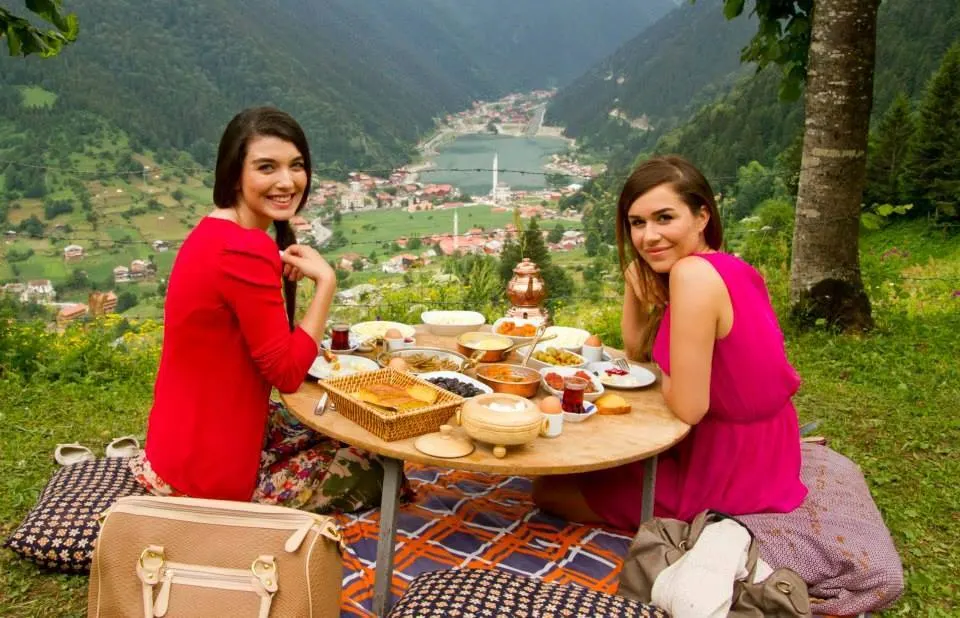
In cold weather, Uzungöl's real magic comes alive at breakfast tables overlooking the lake. Most guesthouses and cafés in the area serve a generous Black Sea breakfast with fresh village bread, honey, clotted cream, butter and a variety of cheeses; serving endless tea from a samovar right next to the breakfast table is also a tradition unique to the region. For lunch and dinner, the trout restaurants surrounding the lake serve fresh, pond-raised trout either grilled or pan-fried; many places even catch the fish from the pond the moment you order. If you want to try the local cuisine, be sure to taste mıhlama (a warm dish made with cornmeal, cheese, clotted cream and butter), kuymak, black cabbage soup and cornbread. If you add Of or central Trabzon to your route, hamsili pilav (anchovy rice) and fried anchovies, which you'll often come across in towns closer to the coast, are other dishes worth trying. For dessert, laz böreği, and to drink, hot Black Sea tea or linden tea make the perfect companions on a cold winter day. Some places also offer seasonal treats in winter, such as roasted chestnuts and hot salep.
Snowy Snapshots: The Best Photography Spots
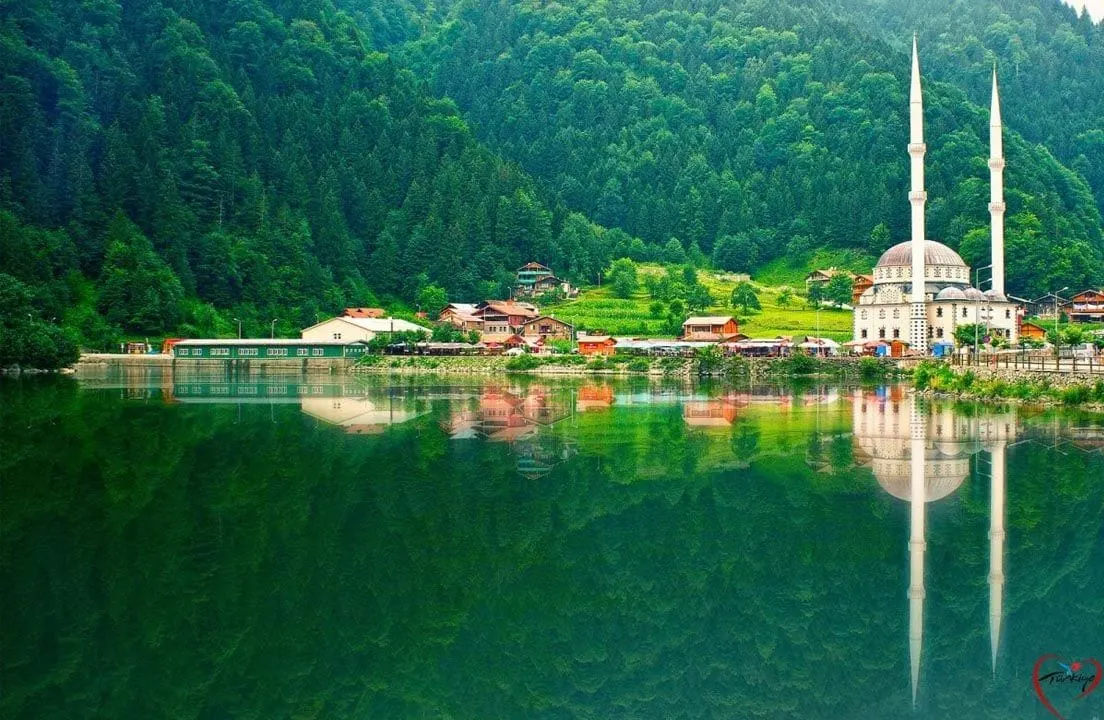
Uzungöl's most shared shot is, without a doubt, the one taken from the opposite shore, capturing the mosque and the snowy hills behind it reflected on the still (or partially frozen) surface of the lake; to get this shot, you'll need to wait in the early morning for the moment before the wind starts rippling the water. Wide-angle shots taken from the wooden walkway around the lake show off the snow-draped forest in all its glory. Toward sunset, the eastern side of the lake is a great choice for capturing the last rays of sunlight filtering through the pine trees. On foggy mornings, photos take on an even more atmospheric feel, which is why both professional and amateur photographers especially favor the winter season. For drone users, aerial shots showing the entire lake and the surrounding highlands deliver stunning results; just don't forget to check the drone restrictions in effect in the area before flying.
The History and Cultural Significance of Uzungöl
Geologically, Uzungöl is a landslide-dammed lake; today's lake formed when a stream in the area was blocked by a landslide. Among locals, there are also various stories about the lake's formation that have been passed down from generation to generation. Çaykara, and the Eastern Black Sea region in general, is known for its centuries-old highland culture; families who move up to the highlands in summer to tend livestock return to their villages and towns in winter. This seasonal way of life has also shaped the region's architecture: traditional Black Sea houses, built with wood and stone craftsmanship adapted to the steep terrain, can still be seen today in the villages around Uzungöl. Music and dance traditions such as the horon, kemençe and tulum are among the most vibrant expressions of Black Sea culture, coming alive especially at weddings, holidays and other special occasions. Tea and hazelnut farming in the region have historically formed the backbone of Trabzon's economy and daily life. Together, all these elements turn a trip to Uzungöl into more than just a nature tour, making it a cultural experience as well.
Other Winter Stops Near Uzungöl
If you're thinking of adding a few more days to your itinerary, consider other Black Sea routes near Uzungöl. Ayder Plateau, on the Rize border, offers an atmosphere similar to Uzungöl with its snow-covered wooden houses and hot springs in winter; on days when weather conditions allow, it's possible to combine both destinations in a single trip. Those who head a bit further south toward the Gito and Badara highlands will find a winter landscape that involves more climbing but is just as enchanting. On the way back to Trabzon city center, you can round off the day with a short Trabzon city tour, visiting spots such as the Atatürk Mansion, Boztepe and the Hagia Sophia Museum. This way, you'll experience both highland and city culture in a single winter getaway.
Practical Tips for a Winter Tour
To make your snowy Uzungöl trip enjoyable and hassle-free, we recommend keeping the following in mind:
- Be sure to pack a thick, waterproof coat, a beanie, gloves and winter boots with non-slip soles; the ground along the lakeshore can get icy.
- If you're driving your own car, carry snow tires or chains, and check the current road conditions before setting off.
- Since some guesthouses and facilities may be closed in winter, book your accommodation and guided tour in advance.
- Phone and camera batteries can drain quickly in cold weather; don't forget to bring spare batteries or a power bank.
- Hot tea or coffee in a thermos will come in handy during long walks.
- Watch your step along the lakeshore and on walking trails in case of ice.
- Don't forget your sunglasses; the sun's glare on snow-covered areas can seriously strain your eyes.
In short, Uzungöl in winter sheds its image as a crowded summer destination and offers a calmer, more intimate and far more photogenic nature experience. With the right preparation, you can enjoy a warm breakfast spread and views of snow-covered forests for an unforgettable Black Sea winter holiday. If you'd like support with road safety, accommodation or guiding, get in touch with our team and we'll plan the winter tour program that suits you best together.