
Pokut Plateau Travel Guide: A Black Sea Paradise Above the Clouds
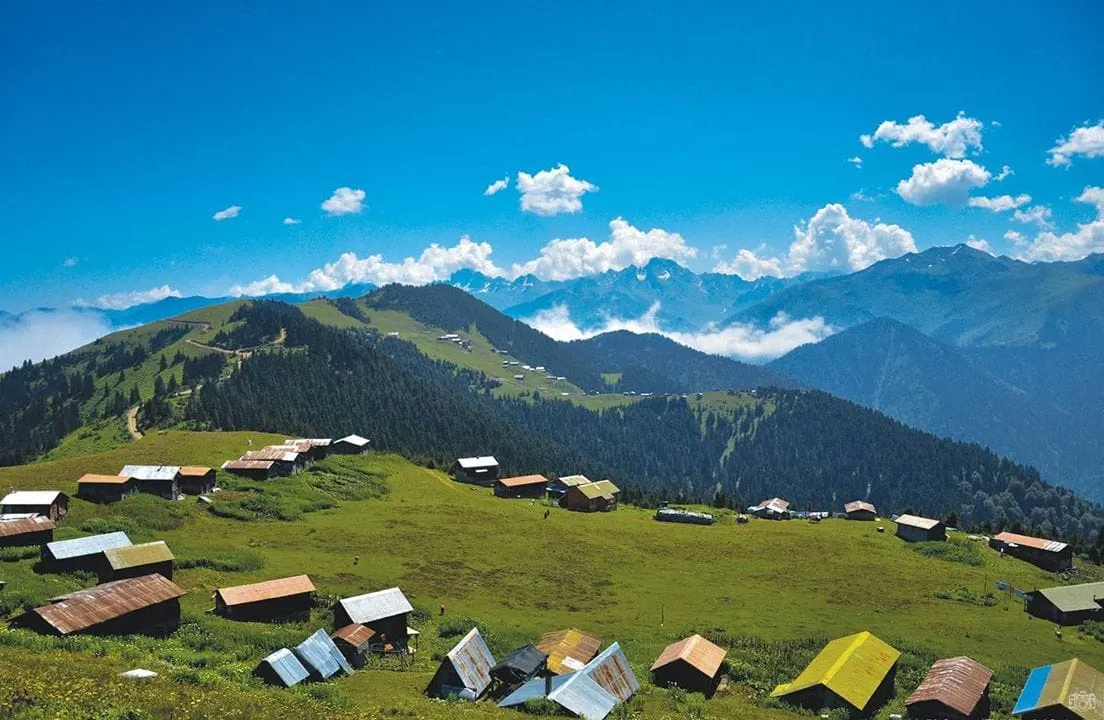
Rising above the clouds in the foothills of the Kaçkar Mountains, in the Çamlıhemşin district of Rize, Pokut Plateau is one of the most special natural spots on the Black Sea coast. Perched more than 2,000 meters above sea level, this highland has become a favorite among photography lovers and hikers alike, thanks to its wooden highland houses, misty views and cool, crisp air. If you've ever wondered what it feels like to "sip coffee above the clouds," this guide has everything you need to know about Pokut Plateau.
With its popularity soaring in recent years thanks to photos shared on social media, Pokut has gone from a quiet highland known only to locals to one of Turkey's most sought-after nature destinations. Even so, outside the busiest periods it still offers true highland tranquility and an authentic atmosphere, and with the right timing you can enjoy the experience at its very best.
How to Get to Pokut Plateau: A Guided Tour Is the Easiest Way
Heading to Pokut Plateau on your own means juggling minibus schedules, winding roads, parking and planning your return. With Sümela Tur, you don't have to think about any of it: you're picked up in the morning, spend the day exploring with our guide, and are dropped back at the same spot in the evening.
- Pick-up and drop-off from your hotel or a meeting point
- Sightseeing with a guide who knows the region
- The assurance of a TÜRSAB-licensed agency
- Choice of a group tour or a private tour with a vehicle just for your family
You can check dates, prices and the itinerary and book online on the Pokut Plateau Tour page. If you'd like a plan tailored to you or your group, message us on WhatsApp and let's put the route together.
Places to See and Highlights
The heart of Pokut Plateau is its central area, lined with wooden highland houses and frequently wrapped in clouds. Built in traditional Hemşin architectural style, these houses create the plateau's most iconic scenery.
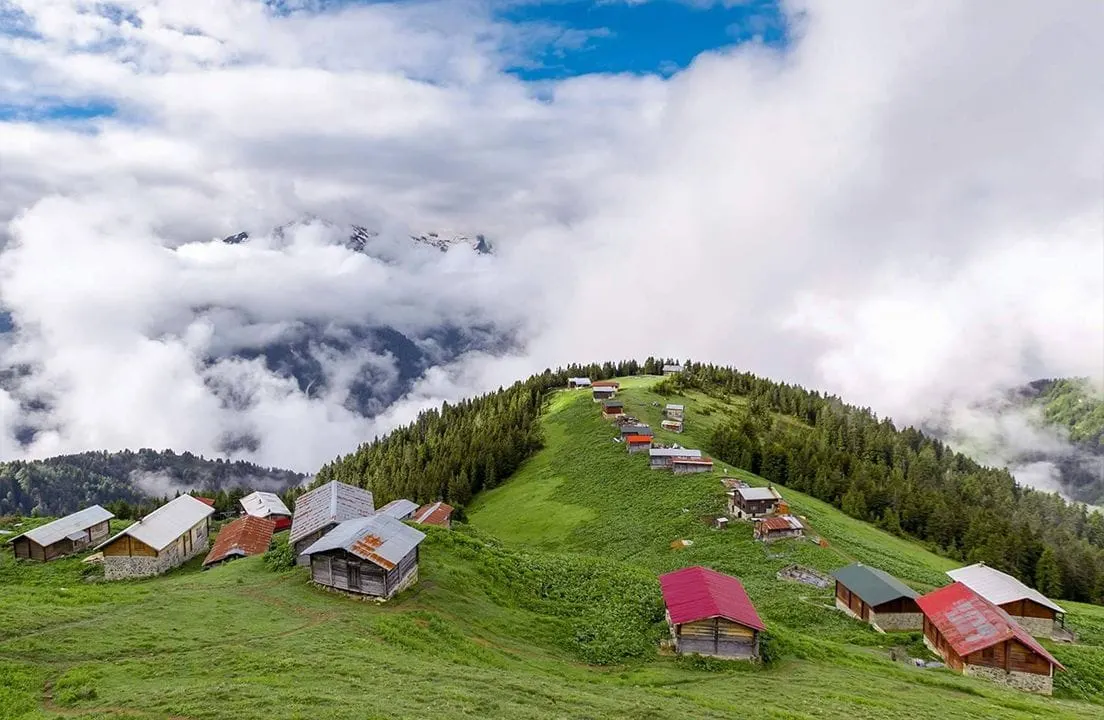
Right next door lies Sal Plateau, famous for its wooden houses; it's reached by a short walk along the ridge from Pokut, and this hike is part of the program on our Pokut Plateau Tour. For details, see our Sal Plateau guide. In the plateau center, small boutique guesthouses, tea gardens and seating areas overlooking the view await visitors.
Most visitors to Pokut also stop by Kavrun Plateau, located on the same route; its stone bridge and wider valley views make a lovely contrast to Pokut's more enclosed and intimate atmosphere. For those seeking a more challenging route, the trailheads of mountaineering paths leading to the summits of the Kaçkar Mountains are within walking distance of Pokut; however, these routes require experienced climbers and proper equipment. The small church and monastery ruins in the plateau center also offer clues to the region's multi-layered past; it's worth asking local guides for information to find these traces.
Best Time to Visit
The best time to visit Pokut Plateau is during the summer months, from mid-June to the end of September. During this period the roads are open, the weather is milder and the highland houses are generally open for business. July and August are when the plateau is at its greenest and most vibrant, and also when visitor numbers peak.
As for the time of day, early morning is best: Pokut is often blanketed in clouds in the afternoon. While this creates a magical atmosphere for some visitors, if you want a clear view, 08:00-11:00 is when the mist is at its lightest and the light at its clearest. Visitors arriving in late May and early June, while the Kaçkar Mountains are still snow-capped, can catch a striking contrast of snowy peaks alongside lush green meadows.
Weekends and public holidays, especially in August, are the plateau's busiest times; if you prefer a quieter experience, planning a weekday visit or setting off very early to catch the sunrise is a smart strategy. The first half of September, when crowds thin out but the weather is still favorable, is a special time locals call the "autumn quiet," and it's also a favorite among photographers.
Where to Eat and Local Cuisine
At Pokut Plateau, a handful of small highland house eateries serve visitors homemade Black Sea specialties. Instead of big restaurant chains, you'll find hot dishes cooked over the hearth in traditional wooden highland houses, making the experience all the more warm and authentic. On your way down to Ayder Plateau, the cafés and restaurants along the road also offer a wider menu.
Among the local delicacies you absolutely must try in the region:
- Muhlama (Mıhlama): A creamy Black Sea classic served hot, made by blending butter, cornmeal and fresh kaşar cheese.
- Kuymak: Similar to muhlama but prepared with different proportions in some areas, this is another cornmeal-and-cheese dish enjoyed by dipping bread into it.
- Black cabbage soup: A hearty soup made with black cabbage, the Black Sea's indispensable vegetable, usually enriched with cornmeal and butter.
- Anchovy pilaf (in season): The famous Black Sea pilaf bringing together rice and anchovies, inspired by the coastal areas.
- Laz böreği: A sweet Black Sea pastry filled with a custard-like cream and topped with hazelnuts.
- Highland tea and fresh dairy products: Fresh yogurt, butter and cheese from animals grazing on high-altitude herbs are among the must-haves of any highland visit.
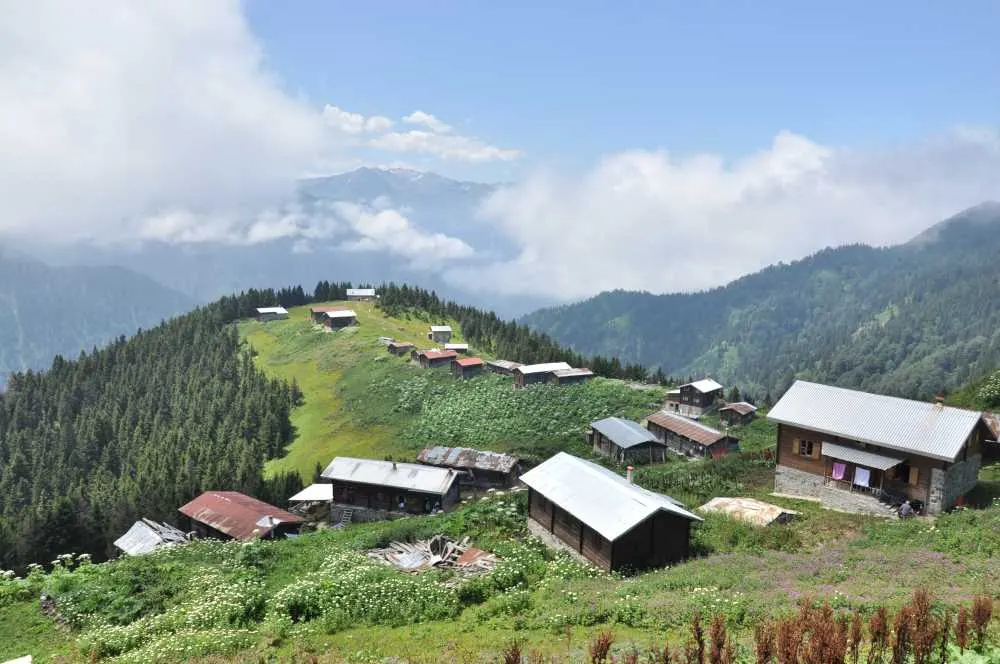
Photo Spots and the Best Shots
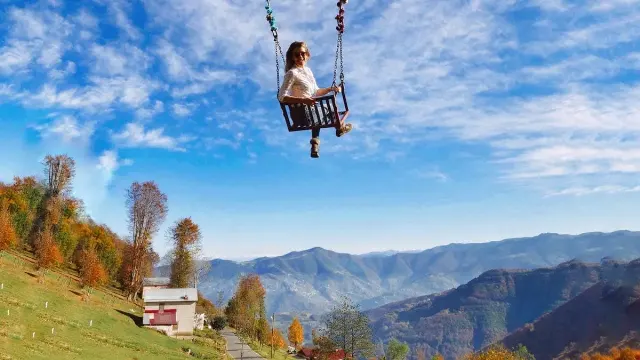
Pokut Plateau well deserves its place among the most shared Black Sea locations on social media. Its most photogenic moment comes in the morning, when clouds fill the valley and the highland houses seem to float in the sky. To capture this view, we recommend shooting from the hilltops just above the plateau center right after sunrise.
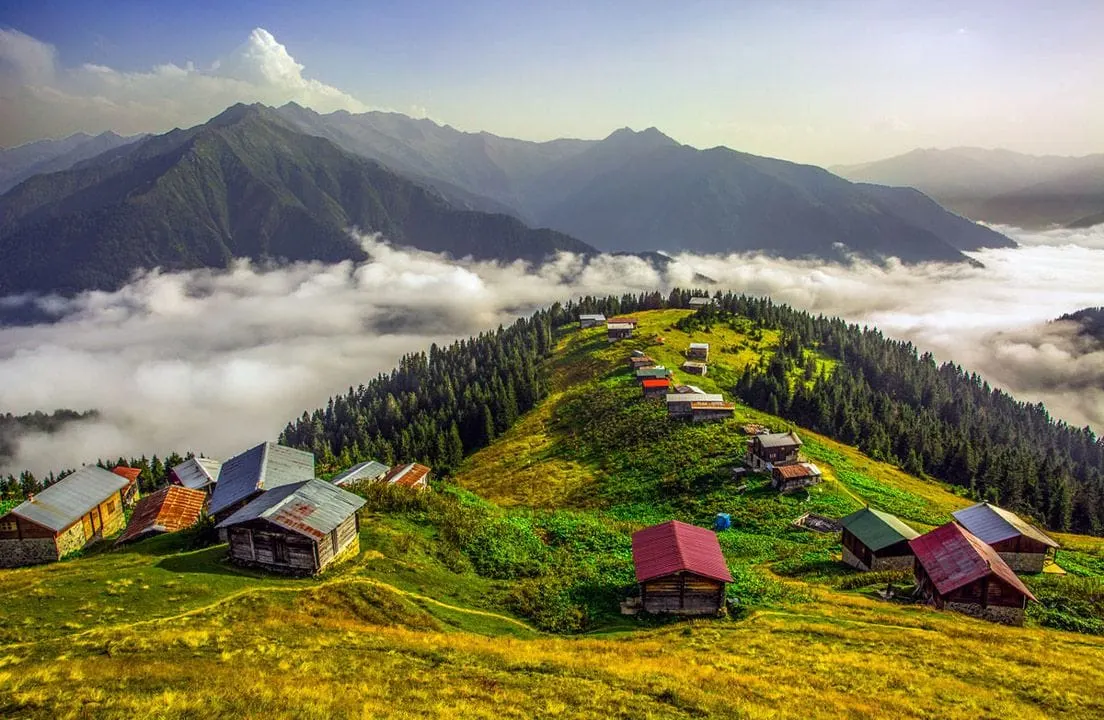
Shots with the wooden highland houses in the foreground and the Kaçkar Mountains in the background are classic yet always impressive. Framing Pokut's wooden houses against the mountains from the ridge on the walk to Sal Plateau is another popular shot. Don't give up when the fog rolls in, either: highland houses peeking through the clouds make for mysterious, atmospheric photos. Wide-angle shots and drone footage (in permitted areas) are ideal for conveying the plateau's true scale.
Historical and Cultural Significance
Çamlıhemşin and its surroundings, home to Pokut Plateau, form a region where the Hemşin people have kept their highland culture alive for centuries. Families who spend the winter in the valley villages traditionally move up to the high plateaus with their livestock in summer and live there temporarily; this seasonal migration tradition is known as "yaylacılık" and is one of the cornerstones of the region's culture. The architecture of the wooden highland houses was shaped by this way of life: lightweight structures that can be built quickly and withstand the mountain climate.
The Hemşin region also has its own distinctive language and musical tradition (tulum, horon); this cultural heritage is still kept alive at the festivals held on the plateaus in summer. As part of Kaçkar Mountains National Park, the region holds protected status for both its natural and cultural assets.
While the economy of the valley villages has traditionally relied on tea and hazelnut farming, the high plateaus are home to livestock farming and, in recent years, a steadily growing highland tourism sector. This dual economy is one of the key forces keeping the Hemşin people's seasonal migration tradition alive today. Most of the business owners you'll meet on the plateau are local families who return to their valley homes in winter and welcome guests in their ancestral highland houses in summer, turning your visit into not just a nature trip but a chance to experience a living culture.
Practical Tips
There are a few important things to keep in mind before heading to Pokut Plateau:
- Pack warm clothes: Due to the altitude, it's much cooler than on the coast; even in summer you may need a sweater or jacket in the evenings and early mornings.
- Opt for waterproof shoes: Dirt and muddy trails are common, especially after rain.
- Carry cash: Many small highland businesses may not accept cards.
- Keep your plans flexible in case of fog: Sudden weather changes are common in Pokut; build a program flexible enough to postpone higher routes (such as Kaçkar hikes) depending on the weather.
- Set off early: Leaving early in the morning helps you see the view without clouds and avoid traffic on the way back (especially in the summer season).
- Take your trash with you: Kaçkar Mountains National Park has a fragile ecosystem; be a nature-respecting visitor.
- Book accommodation in advance: With a limited number of rooms on the plateau, highland houses can fill up quickly, especially on summer weekends.
- Mobile reception may be limited: Signal can be weak with some carriers in the plateau center; it's best to make any important calls before you set off.
- Watch out for altitude effects: At altitudes above 2,000 meters, some people may feel slight dizziness or shortness of breath; avoid sudden, strenuous activity and drink plenty of water.
If you're looking for another beautiful stop near Pokut, take a look at our Ayder Plateau tour in the same region; combining the two plateaus in a single itinerary lets you experience the highland culture of the Eastern Black Sea more fully.
With morning coffee above the clouds, cool highland air and authentic Black Sea flavors, Pokut Plateau is set to become one of the most unforgettable stops on your Eastern Black Sea trip. Whether you plan it as a day getaway or as part of a more extensive Black Sea tour, with the right timing and preparation this plateau won't disappoint.