
The Best Photography Spots at Sümela Monastery
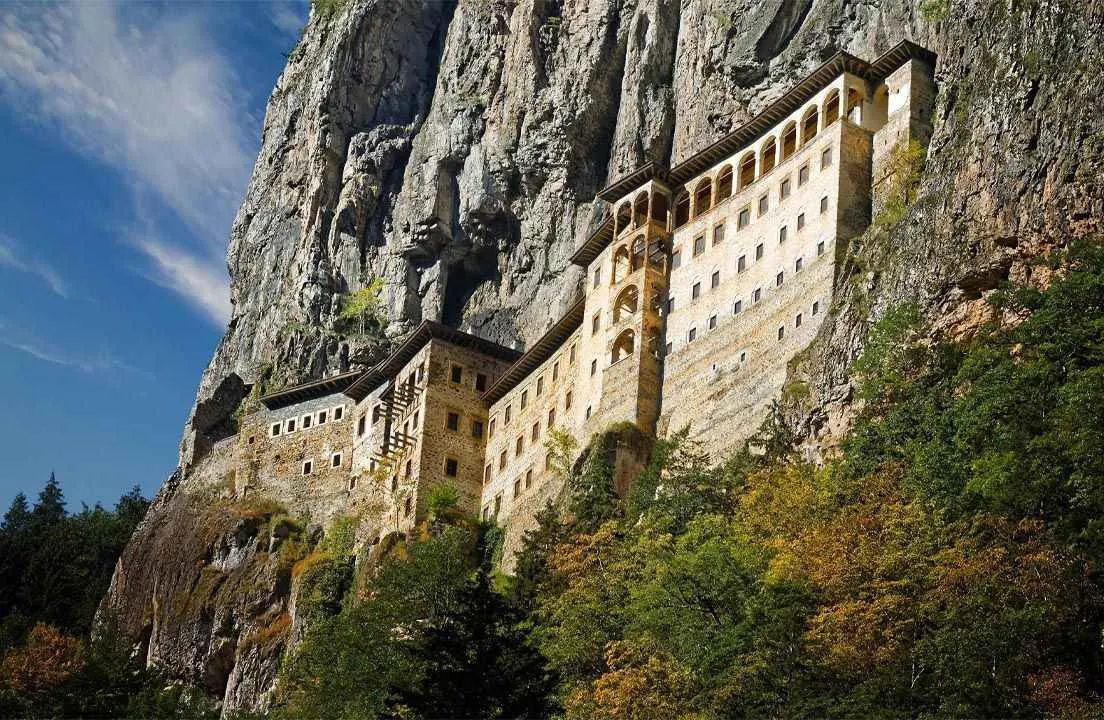
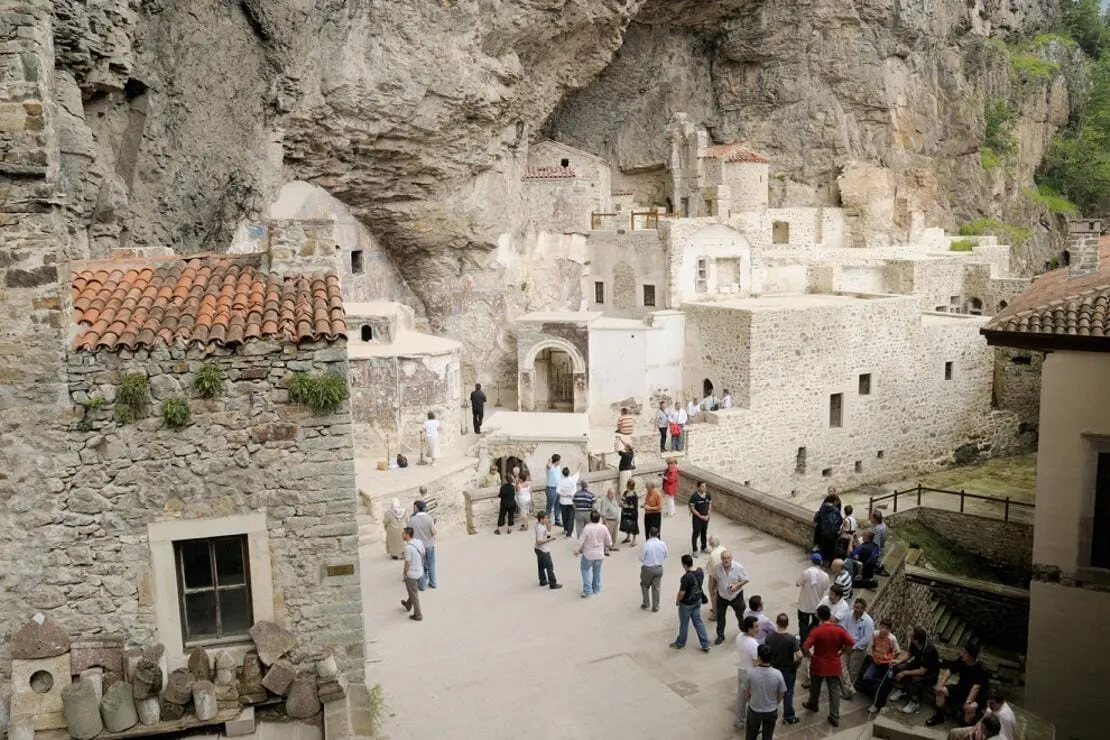
Seemingly clinging to the sheer rocky face of Karadağ (Mount Mela), Sümela Monastery is one of the most photographed landmarks on the Black Sea coast. With its façade emerging through the mist, its setting against the lush green of the Altındere Valley and its centuries-old frescoes, it is a true open-air studio for amateur and professional photographers alike. So from which spot, at what time of day and with what preparation can you capture the most striking shot? Here is the practical photography guide you need before heading to Sümela.
The History and Cultural Significance of Sümela Monastery
Sümela's history stretches back to the Byzantine era, to 386 AD according to tradition. Legend has it that two monks from Athens found a miraculous icon of the Virgin Mary in a cave they had seen in their dreams, and built a monastery on this rocky outcrop. The monastery reached its peak in the 13th and 14th centuries under the Komnenos dynasty, which ruled the Empire of Trebizond; the emperors of the time granted it significant privileges and sources of income. The monastery continued to serve its religious purpose during the Ottoman period, but was vacated following the population exchange of 1923 and gradually fell into abandonment.
Today, what draws visitors most are the frescoes covering the inner and outer walls of the main Rock Church, carved into the cliff. Depicting scenes from the Bible, these murals bear the traces of layered restorations carried out over different centuries. After an extensive restoration project lasting many years, the monastery has reopened to visitors and is included on Türkiye's UNESCO World Heritage Tentative List. This historical depth adds another dimension to your photos; even a simple landscape shot takes on new meaning with sixteen centuries of history in the background.
How to Get to Sümela Monastery? A Guided Tour Is the Easiest Way
Heading to Sümela Monastery on your own means juggling minibus schedules, winding roads, parking and planning your return. With Sümela Tur, you won't have to think about any of it: you're picked up in the morning, spend the day exploring with our guide, and are dropped off at the same point in the evening.
- Pick-up and drop-off from your hotel or a meeting point
- Tour led by a guide who knows the region
- Peace of mind with a TÜRSAB-licensed agency
- Choice of a group tour or a private vehicle tour for your family
You can check dates, prices and the itinerary on the Sümela Tour page and book online. If you'd like a plan tailored to you or your group, message us on WhatsApp and let's plan the route together.
The Best Time to Visit for Photography: Season and Time of Day
The season you choose directly shapes your frame. In May and June, the valley is lush and green, and the weather is usually mild and clear; during this period, the forest surrounding the monastery adds vibrant green tones to your photos. Late September and October, when autumn colours wrap the forest in shades of yellow and red, is one of the most photogenic times of year. In winter (November to April), the monastery may be closed on some days depending on weather conditions, but for those lucky enough to see it under snow, the result is truly dramatic.
The time of day matters just as much as the season. Early in the morning, especially at opening time, the mist settling over the valley reveals the monastery as if from behind a mysterious veil; the façade emerging as the clouds lift is among the most shared shots. In the late afternoon, sunlight strikes the rocks from the side, accentuating textures and shadows to create a harsher but striking contrast. Midday is the most challenging time for photography, due to both flat light and crowds of visitors; if possible, we recommend visiting on a weekday in the early morning hours.
The Best Photo Spots and Shots
The Postcard Shot from the Opposite Slope
After the second bend of the path leading up from the car park to the monastery, viewpoints facing the opposite slope offer a wide perspective where you can frame the monastery's entire façade nestled against the rock. Using a wide-angle lens (or your phone's wide-angle mode) here helps you capture both the scale of the structure and the valley behind it in a single frame.
The Inner Courtyard and Fresco Details
Light is quite low around the frescoes inside the Rock Church, and tripod use is restricted in many areas; so holding your hand steady or leaning against a wall while slightly raising your ISO is a more practical solution. Be careful not to use flash, both because it's the rule and to avoid glare on the centuries-old paint.
Terraces Overlooking the Valley and Waterfall
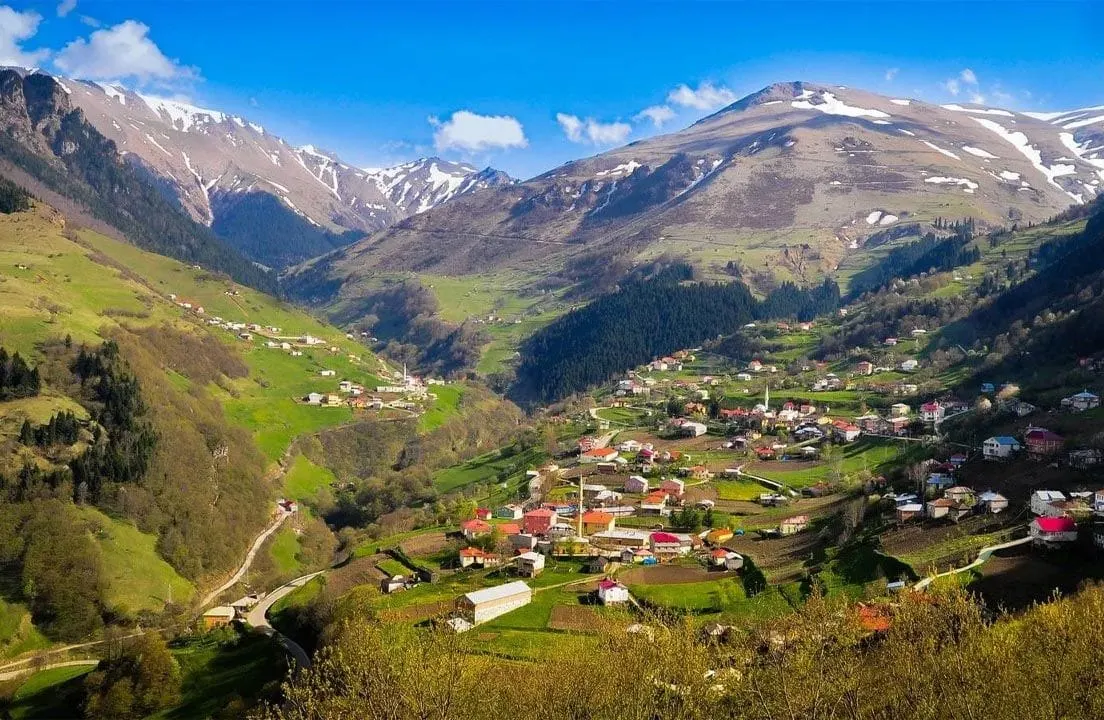
From the monastery's upper terraces, you can see the forested landscape of the Altındere Valley and the mountain silhouettes in the distance. Wide-angle landscape shots taken here, especially in autumn, convey a far greater sense of scale and depth than the monastery alone.
A Break Between Shoots: Where and What to Eat
At the entrance to the Altındere Valley and in the town centre of Maçka, you'll find small restaurants and cafés run by local businesses; these spots are especially known for fresh grilled or steamed trout, as the region is renowned for trout farmed in its streams and ponds. After a long day of shooting, a break for hot soup or grilled trout will fill you up and give you a good chance to check over your gear.
No visit would be complete without the region's local flavours: mıhlama (a hearty breakfast dish made with butter, cornmeal and fresh cheese, served hot), kuymak (a simpler, more buttery version of mıhlama), hamsili pilav (anchovy rice) in season, the sweet laz böreği pastry made with walnuts and hazelnuts, karalahana çorbası (black cabbage soup), a winter favourite, and the region's famous sour cherry juice and candied chestnuts are all must-try treats. It's also worth noting that you'll find a much wider choice of restaurants on your way back to Trabzon city centre.
Practical Tips for Your Photography Trip
- Footwear: The path is steep and can sometimes be damp/slippery, so opt for comfortable shoes with non-slip soles.
- Clothing: Mountain weather can change suddenly; even in summer, keep a light windbreaker or raincoat in your bag.
- Equipment: A combination of a wide-angle and a mid-range zoom lens is enough for both façade shots and detail frames; don't forget a spare battery and memory card, as battery life drains quickly, especially in cold weather.
- Tripod and flash: As there may be restrictions indoors, check the current rules before you go.
- Tickets and timing: The daily number of visitors may be limited in peak season; if possible, plan to go early on a weekday.
- Water and snacks: Walking and waiting times can be long, so carry water with you.
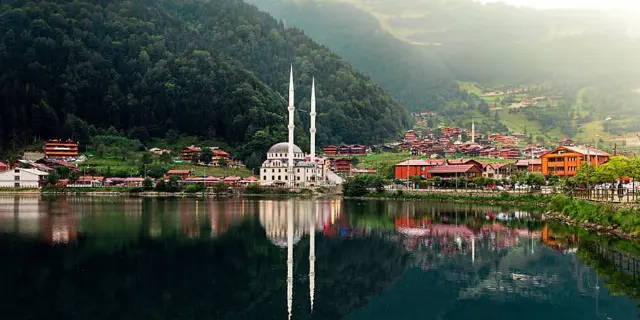
If you'd like to explore this captivating route with an experienced guide, free from transport and timing worries, take a look at our Sümela Tour programme. For those who want to see Sümela and the region's other favourite, the green lake, on the same day, the Uzungöl Tour offers a great alternative. When you bring together the right light, the right angle and a little patience, Sümela Monastery will reward you not just with a postcard-perfect shot, but with a photograph that tells a story spanning centuries.