
Tea Gardens and Tea Picking in Trabzon

Few images capture the Black Sea region like dark green tea fields cascading down steep hillsides in neat terraces. Trabzon's tea gardens are concentrated in the districts east of the city, stretching from the coastline deep into the valleys. They offer visitors both stunning scenery and an authentic glimpse of local life. Here, tea is far more than a drink: it is a livelihood for families, a fixture on every table and a ritual that accompanies every hour of the day. In this guide, you'll find where to see tea plantations in Trabzon, when tea picking season takes place, the best spots in the city to enjoy a glass of tea and the activities you can pair with the local tea culture.
Trabzon and Tea: A Brief History
Tea cultivation in Türkiye spread across the Eastern Black Sea region in the first half of the 20th century. Abundant rainfall, a mild climate and acidic soil created near-perfect conditions for the tea plant. While Rize is known as the heart of this transformation, Trabzon's eastern districts quickly became an important part of tea production too.
Today, in districts such as Of, Çaykara, Sürmene, Araklı, Hayrat, Dernekpazarı and Köprübaşı, tea is one of the main sources of income for many families. The small plots on the hillsides are mostly family-run, and at harvest time everyone, young and old, heads out to the fields. With tea factories located in the region, most of the journey from field to cup is completed right here.
In Trabzon's western districts, hazelnut orchards largely take the place of tea. So if you want to see tea landscapes, head east of the city toward Of and Rize.
Where to See Tea Gardens in Trabzon
You don't need a specific address to see tea plantations; take the right route and they'll greet you all along the way. The highlights include:
- Of and the Solaklı Valley: The winding road from Of toward Çaykara and Uzungöl passes between tea fields on both sides of the valley. It's one of the most easily accessible tea landscapes in Trabzon.
- Çaykara: A district whose very name evokes tea, Çaykara combines tea and highland culture in the villages along the road to Uzungöl.
- Sürmene and Araklı: In the valleys branching inland from the coastal road, tea plots clinging to the slopes and traditional stone houses catch the eye.
- Hayrat and Dernekpazarı: Ideal for those who want to enjoy the tea fields in peace, with quieter village roads far from the tourist crowds.
The farther east you travel from Trabzon toward Rize, the denser the tea plantations become. On tours heading to Ayder, you'll also enjoy plenty of these views along the way.
Tea Picking Season: When to Go
Tea is harvested several times a year. Locally, each of these harvests is usually called a “sürgün” (flush). The calendar roughly looks like this:
- First flush (late spring – early summer): The first leaves after the plant's winter rest are considered the freshest and most prized.
- Second flush (midsummer): One of the busiest periods in the fields.
- Third flush (late summer – early autumn): The final harvest of the season; picking gradually winds down in the later weeks of autumn.
Harvest dates vary each year depending on weather and altitude, and coastal areas usually start earlier than higher villages. If you want to see people at work in the fields, late May through late September is the best time to visit. Be sure to check up-to-date information with local sources before your trip for exact dates.
The Tea Picking Experience: How It's Done and What to Keep in Mind
In Trabzon, tea picking is mostly carried out by families on their own land; a standard “tea picking tour” for tourists isn't available everywhere. Still, village hospitality runs deep, and with a respectful approach you'll have the chance to get to know this way of life up close.
How is tea picked?
Traditionally, the fresh shoots are picked by hand or with tea shears that cut directly into a basket worn on the back. The leaves are carried in large sacks and baskets to the roadside, and from there to collection points and factories. Once you see how much effort this takes on steep slopes, you'll likely never look at a cup of tea the same way again.
A few simple rules for visitors
- Tea fields are private property; don't enter them or pick leaves without permission.
- Ask before photographing people at work; you'll usually be met with a warm smile.
- On narrow village roads, park so that you don't block vehicles carrying the harvest.
- Slopes get slippery after rain, so wear shoes with non-slip soles.
The Best Spots for Tea in Trabzon
Seeing the tea fields is one thing, but the true pleasure of tea on the Black Sea coast is sipping a strong brew from a tulip-shaped glass while gazing at the view. Here are some well-known places in Trabzon to enjoy it:
- Boztepe: Overlooking the city and the sea, Boztepe is famous for its tea gardens and samovar tea. Enjoying tea here at sunset is a classic Trabzon experience. For details, check out our Boztepe Viewing Terrace guide.
- Around Meydan Park: In the heart of the city center, you'll find tea gardens perfect for a break between shopping stops.
- Along the coast: In the parks lining Trabzon's waterfront, you can enjoy tea facing the sea and take a stroll.
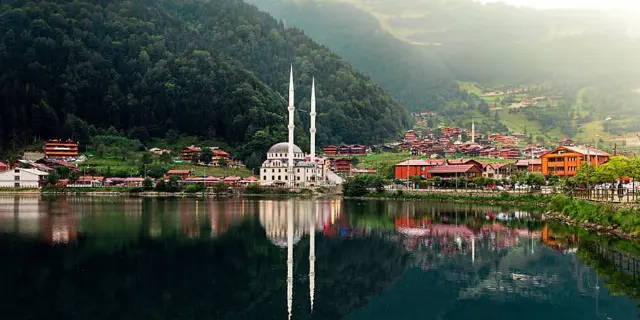
- Uzungöl lakeshore: At the venues around the lake, a tea break with mountain views is an essential part of any highland trip.
Tea garden opening hours may vary by season; some places may close early, especially in winter.
Tea Culture and Etiquette on the Black Sea Coast
When you step into a home or shop in Trabzon, you'll most likely be offered tea. Accepting it is considered good manners locally. Tea is usually served strong, the deep red color locals call “rabbit's blood,” in a tulip-shaped glass.
- Teapot and samovar: Most homes use a double-stacked teapot, while some tea gardens serve tea from a samovar.
- What goes with it? Tea is often accompanied by cornbread, cheese, butter or homemade cake. In the morning, tea is the cornerstone of breakfast spreads featuring kuymak and highland produce.
- “One more tea”: As soon as your glass is empty, a fresh one arrives. When you've had enough, placing your spoon horizontally across the top of the glass is widely understood to mean “that's enough.”
If you'd like to get to know the local culture better, it's worth knowing that tea gatherings are often livened up by the kemençe and the horon dance. Our Kemençe and Horon article is a great place to start.
Things to Do in Tea Country: Activities
The valleys home to the tea plantations also open the door to some of Trabzon's finest outdoor activities. Instead of devoting a day solely to the scenery, you can enrich it with the following:
Valley walks
The village roads in the Of and Çaykara valleys are ideal for short and medium-length walks among the tea fields. Watching the morning mist lift from the valley in the early hours is an unforgettable experience.
Photography
Terraced tea fields, stone bridges and wooden houses offer endless photo opportunities. During harvest season, pickers working on the slopes with baskets on their backs make for the region's most iconic shots (don't forget to ask permission).
Highland activities in Uzungöl
Climb up from the tea valleys and you'll reach Uzungöl. Here you can walk around the lake, take in the views from scenic lookouts and explore the surrounding highland plateaus. For adrenaline seekers, activities like the ATV safari add excitement to the day. For places to see in Uzungöl, check out our article 7 Places to Visit in Uzungöl.
Shopping for local products
At village markets along the road and shops in the city center, you'll find packaged tea, hazelnuts, butter and highland cheese. Black Sea tea makes a wonderful gift and the perfect souvenir to take home from your trip.
Practical Tips for a Trabzon Tea Route
- Route: The route from central Trabzon along the coastal road to Of, then up to Çaykara and Uzungöl, is the easiest way to see the tea plantations. Those wishing to continue toward Ayder on the same day can travel via Rize.
- Timing: Visit during harvest season to see activity in the fields, and in the morning for mist and vivid shades of green.
- Clothing: Weather on the Black Sea coast changes quickly; bring a light raincoat even in summer.
- Getting around: Village roads are narrow and winding. If you're driving yourself, take care; for those unfamiliar with the roads, guided tours are a more relaxing option.
The Uzungöl Tour departing from Trabzon passes through the Of and Çaykara valleys, making it an easy way to take in the tea landscapes. If you'd also like to see the dense tea slopes on the Rize side, the Ayder Tour is the perfect complement. To explore Boztepe and the city's historic sights together, join the Trabzon City Tour.
Frequently Asked Questions
Where is the best place to see tea plantations in Trabzon?
The districts of Of, Çaykara, Sürmene and Araklı have the highest concentration of tea fields. The road from Of to Uzungöl in particular offers tea views all along the valley.
Which months are tea picking season?
Generally, tea is harvested in several flushes a year, from late spring to early autumn. Since dates vary with the weather, check up-to-date information before your visit.
Can tourists take part in tea picking?
The fields are private land belonging to families. There's no standard participation system everywhere, but in the villages it's often possible to observe this way of life up close and chat with locals if you ask permission.
Where can I enjoy tea with a view in Trabzon?
Boztepe, with its city and sea views, is the best-known spot. The area around Meydan Park, the coastal parks and the Uzungöl lakeshore are also popular choices for a tea break.
Where can I buy tea as a gift?
You'll find Black Sea tea in the bazaars of the city center, in supermarkets and local product shops, and at village stalls along the road.
Conclusion
Trabzon's tea gardens are one of the best ways to experience the Black Sea region not just as scenery, but as a way of life where hard work and hospitality go hand in hand. Walking among the tea fields in the Of and Çaykara valleys, watching the bustle on the slopes at harvest time and ending the day with a strong glass of tea at Boztepe will add authentic local depth to your Trabzon trip. When planning your route, don't forget to check the harvest calendar and the weather forecast.