

Vakfıkebir Bread: A Guide to Trabzon's Stone-Oven Bread
Sooner or later, everyone who visits Trabzon meets one particular delight at the breakfast table: a huge, round loaf with a thick, crackling crust. This is Vakfıkebir bread, a regional bread baked in the stone ovens of Vakfıkebir, a coastal district west of Trabzon, and known today across the entire Black Sea region simply as "Trabzon bread". In this guide, we explain what sets Vakfıkebir bread apart from other breads, what it is best eaten with, how to store it and how you can easily make this flavour part of your Trabzon trip.
What is Vakfıkebir bread, and why is it so famous?
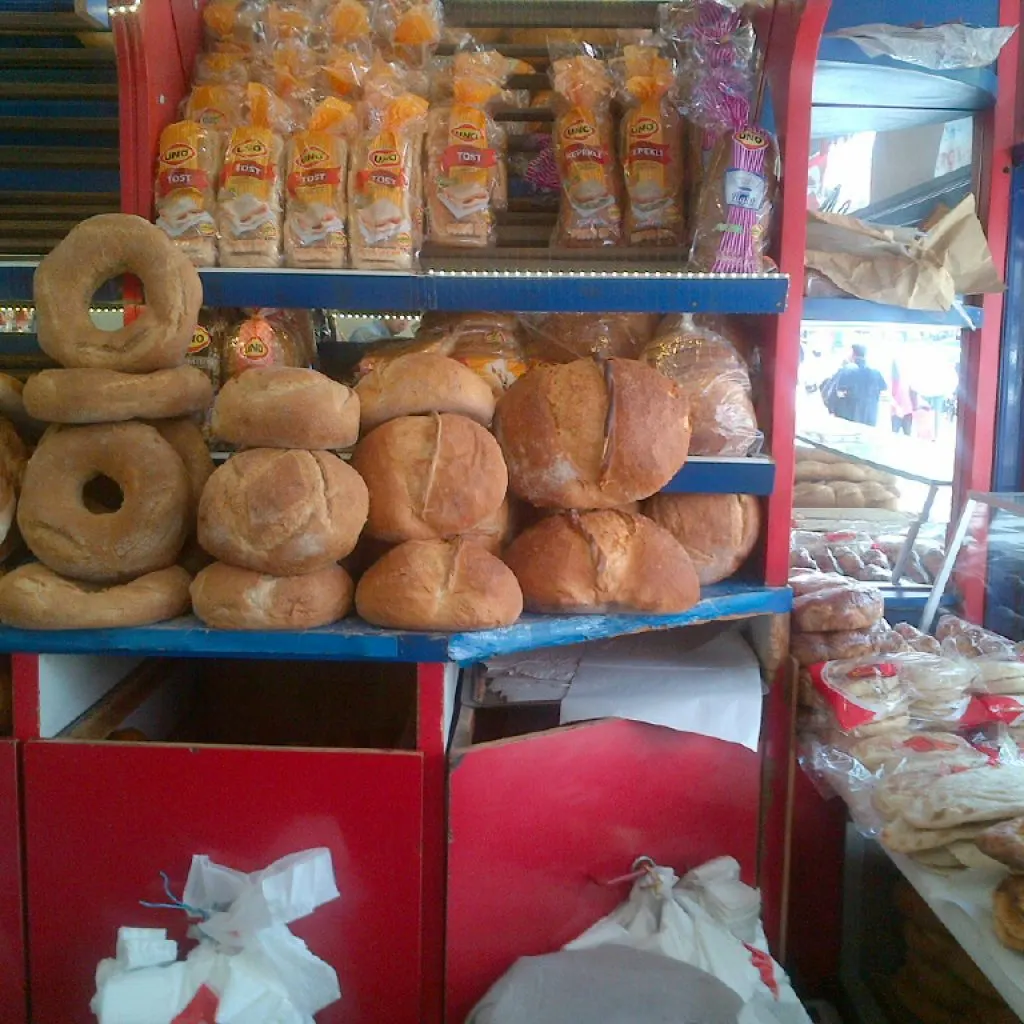
Vakfıkebir bread is a large, round country loaf baked in wood-fired stone ovens. A single loaf commonly weighs several kilos, which is why bakeries often sell it by the slice or by weight rather than whole. The bread owes its fame to baking traditions passed down through generations in the region: letting the dough rest for a long time, heating the oven thoroughly and baking the bread slowly.
For the people of the Black Sea, bread is the heart of the table. It is served with butter and cheese in the morning, alongside soup at lunch and with fish in the evening. So it is no surprise that visitors from outside Trabzon often ask, "Where can I find this bread?" Many travellers never leave the city without tucking a loaf into their suitcase.
- Where it comes from: The Vakfıkebir district on Trabzon's western coast and its surroundings.
- How it's baked: In a wood-fired stone oven, at high heat and for a long time.
- How it's sold: As a whole loaf, a half loaf or in slices sold by weight.
What sets Vakfıkebir bread apart from other breads
You'll notice the difference between supermarket bread and Vakfıkebir bread from the very first bite. A few distinctive qualities make all the difference:
- Thick, dark crust: The high heat of the stone oven creates a hard, crunchy crust with a subtle smoky aroma. The crust also acts as a shield that keeps the inside of the bread moist.
- Dense, hearty crumb: Rather than being airy like cotton, the inside is firmer and more filling. It soaks up butter without falling apart.
- Stays fresh for longer: Thanks to its large size and thick crust, it keeps its freshness for several days when stored correctly. This is exactly why it was once the bread of choice for seasonal migrations to the highland pastures and long journeys.
- A slightly tangy flavour: The long fermentation and resting process gives the bread its own gentle sourness and a deep wheat aroma.
A small tip for first-timers: this bread is at its best a little while after it comes out of the oven, once the crumb has had time to settle. When cut while very hot, the inside can look doughy, which is why locals usually wait for the bread to cool slightly.
What do you eat Vakfıkebir bread with? Perfect pairings on the Trabzon table
Vakfıkebir bread is delicious on its own, but it truly shines alongside the other stars of Trabzon cuisine. On a Black Sea table, you'll find the bread served with these dishes:
At breakfast
A thick slice of bread spread with highland butter and served with fresh cheese is the simplest yet most beloved form of a Trabzon breakfast. But the bread's true match is kuymak, made with cornmeal, butter and cheese; scooping up the stretchy cheese with a piece of bread is half the fun. We cover kuymak in detail in our Trabzon kuymak guide.
At lunch and dinner
- Karalahana soup: A thick slice of bread is practically a must alongside this regional collard greens soup.
- Fried hamsi: In the winter months, bread is an inseparable part of the table next to crispy fried anchovies. If you're curious about anchovy season, take a look at our guide to hamsi in Trabzon.
- Akçaabat köfte: Served with meatballs, bean salad and roasted peppers, the bread is perfect for mopping up the juices.
- Butter-toasted bread: Day-old bread is pan-fried in butter and enjoyed with tea, a simple treat often served in local homes.
If you'd like to explore Trabzon cuisine as a whole, our guide to what to eat in Trabzon is a great place to start.
Where to buy Vakfıkebir bread and how to store it
Vakfıkebir bread is at its freshest in the district itself, in the stone ovens along the coast. You'll also find bakeries in Trabzon city centre and neighbouring districts selling it as "Vakfıkebir bread" or "Trabzon bread". Which bakery to choose is a matter of personal taste, so we don't recommend any specific business here. As sales methods and prices may change over time, we recommend checking the latest information before your visit.
What to look for when buying
- Check the crust: An evenly baked, dark brown crust that sounds hollow when tapped is a sign of a well-baked loaf.
- Choose by weight: For a family of two or three, even half a loaf is enough for several days of breakfasts. Only buy a whole loaf for a big table or as a gift.
- If you're buying it as a gift: Rather than buying it on arrival, pick it up close to your departure day so you can bring it home at its freshest.
Storage and travel tips
- Keep the bread in a cloth bag or wrapped in paper rather than a plastic bag; plastic softens the crust.
- If you plan to keep it for a long time, slice it and put it in the freezer. Frozen slices come close to their first-day crunch when warmed in a pan or the oven.
- If you're flying home, carrying the bread in a cloth bag in your cabin luggage keeps it from getting squashed. Check your airline's current baggage rules before you travel.
A common mistake is putting the bread in the fridge. The fridge makes bread go stale and dries out the crumb; room temperature or the freezer is always the better choice.
Things to do in and around Vakfıkebir
The bread's hometown, Vakfıkebir, is a lovely stop not just for its bakeries but also for its peaceful coastline, hillsides covered in hazelnut orchards and the natural scenery it shares with the neighbouring district of Beşikdüzü. Here are the main things to do in the area:
- Coastal walks: The Vakfıkebir and Beşikdüzü shoreline is ideal for strolling by the sea and watching the sunset.
- Paragliding: With its hills overlooking the Black Sea, the Beşikdüzü area is known as one of the region's paragliding spots. If you'd like to take a tandem flight with experienced pilots, check out our paragliding experience; flights depend on weather conditions.
- Hazelnut orchards and harvest: The hazelnut orchards stretching across the hillsides offer a beautiful setting to experience local life up close, especially during the late-summer harvest.
- Tea break: Sipping strong brewed tea with a slice of buttered bread in the tea gardens along the coast is one of the most enjoyable breaks of the journey.
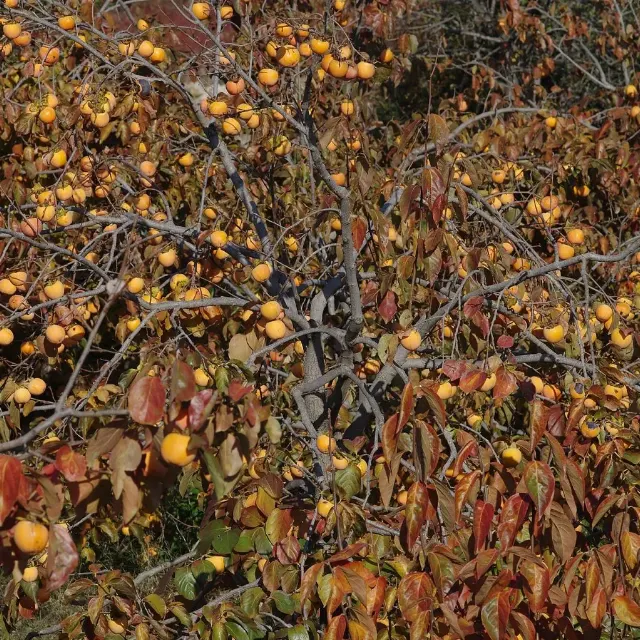
- Shopping for local produce: Besides the bread, regional products such as butter, cheese, hazelnuts and, in season, Trabzon persimmons are easy to find in the area.
- Photography: The coves where the coast meets the green hillsides make for stunning shots, especially in the late-afternoon light.
Which season, and who is it for?
Vakfıkebir bread is baked all year round, so there's no need to wait for a special season to try it. Still, the experience changes with the seasons:
- Autumn and winter: This is the season of hamsi, karalahana and hot soups, when the bread finds its perfect pairings.
- Spring and summer: The ideal time for long breakfasts with highland butter and fresh cheese, coastal walks and paragliding.
For food-focused travellers, families and visitors who love buying local produce, Vakfıkebir bread is a small but memorable part of any Trabzon trip. Children usually love warm bread with butter, and for large families a whole loaf can keep the breakfast table going throughout the holiday.
The easiest way to taste Vakfıkebir bread: Sümela tours
For first-time visitors to Trabzon, the biggest question is how to see the sights in a short time without missing out on the local flavours. The most relaxed option is our tours departing from Trabzon: you travel with a guide and insurance, free from planning, traffic or parking worries, and enjoy the Black Sea table on the spot during meal breaks.
- Group tour: If you're looking for an affordable option, you can experience both nature and local flavours together on the Uzungöl Tour or the Trabzon City Tour.
- The western coast and beyond: For those who want to see the Black Sea coast on a wider route, the Giresun Ordu Tour is a great choice.
- Private tour: If you'd like to plan a day with a private vehicle and driver for your family or group of friends, with flexible timings, we can create a personalised route that includes coastal stops such as Vakfıkebir and Beşikdüzü. Simply message us on WhatsApp for details.
Frequently Asked Questions
Do the tours include stops for local food?
Our day tours include meal breaks in their itinerary, giving you the chance to taste dishes from Black Sea cuisine. You can find out what is included in the price of each tour on the tour page or by asking us on WhatsApp.
What time do the tours start?
Our day tours departing from Trabzon usually start in the morning. As the exact time may vary by tour and season, it will be confirmed to you when you book.
Can I book a private tour that stops in Vakfıkebir?
Yes. On private tours, the route is tailored to you; we can add stops such as the Vakfıkebir coast, a bakery visit, paragliding in Beşikdüzü or a coastal walk to the programme. The vehicle and driver are reserved exclusively for your group.
How do I make a booking?
You can book online via the tour page, or contact us on our WhatsApp line (0532 170 91 54) or office phone (0462 321 08 03) with your preferred date and number of guests.
Conclusion
Vakfıkebir bread is one of the simplest yet most distinctive flavours of Trabzon cuisine: the crunch the stone oven gives its crust, a dense crumb that stays fresh for days and a perfect match for every dish on the Black Sea table. When you visit Trabzon, try it with butter at breakfast and with hamsi at dinner, then take a loaf home for your loved ones. To plan your trip effortlessly without missing a single flavour, join a Sümela tour departing from Trabzon, or ask us to design a private route for your family.