
Things to Do in Ayvalık, Assos and Bergama: A North Aegean Route Guide
Let's step away from the lush green highlands of the Black Sea and the fairy chimneys of Cappadocia and head to the northern Aegean, a route few people know about but everyone falls in love with at first sight: Assos, Ayvalık, Cunda Island and Bergama. Tucked between Troy and Ephesus, this region is rich enough to be a holiday in its own right, with olive-covered hills, ancient temples overlooking the sea, fishing towns with stone-paved streets and the traces of a thousand-year-old kingdom all in one place. In this article, we'll tell you, like a fellow traveler, where to go, what to eat and what to keep in mind on the North Aegean route.
From Assos to Cunda Island: Things to Do in the North Aegean
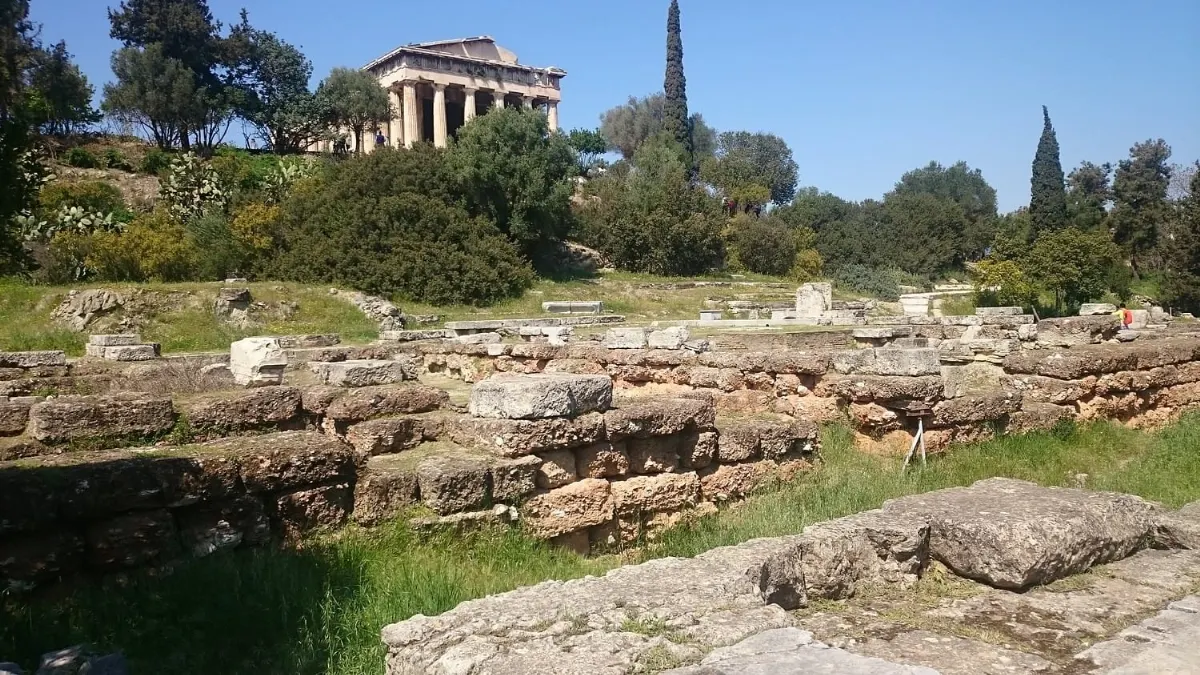
One of the most impressive stops on the route is Assos, a small village in Çanakkale known by its old name, Behramkale. Rising on a seaside cliff at the very top of the village, the Temple of Athena dates back to the 6th century BC. Climbing up here to take in the Aegean views, with the island of Lesbos visible on the horizon, tops the list for everyone who visits the region. Just below the temple, the small harbor, with its stone houses, fishing boats and waterfront cafés, is the perfect spot to unwind at the end of the day.
Following the coast from Assos brings you to Ayvalık. With its stone mansions inherited from the Ottoman era, narrow streets and olive oil factories, Ayvalık feels like an open-air museum with a photo opportunity at every step. Cunda Island (Alibey Island), just across from the town, can be reached either by car over the bridge or by boats departing from the harbor. Strolling its stone-paved streets, getting lost among old Greek houses and taking a tea break at Taş Kahve are among the region's classics. Şeytan Sofrası hill, in the south of Cunda, is the region's most famous spot for watching the sunset.
If you have time, you can join a daily boat tour departing from Ayvalık harbor for an Aegean Islands trip that stops at Alibey, Alaçatı and neighboring coves; lunch is served on deck, and you can relax in crystal-clear bays. These tour boats usually depart around 10 a.m. and return in the late afternoon, so planning an overnight stay in the area makes it easier to join a boat tour.
Bergama: In the Footsteps of the Kingdom of Pergamon
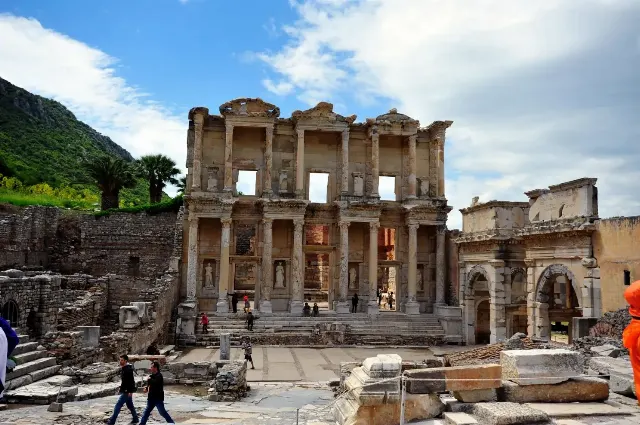
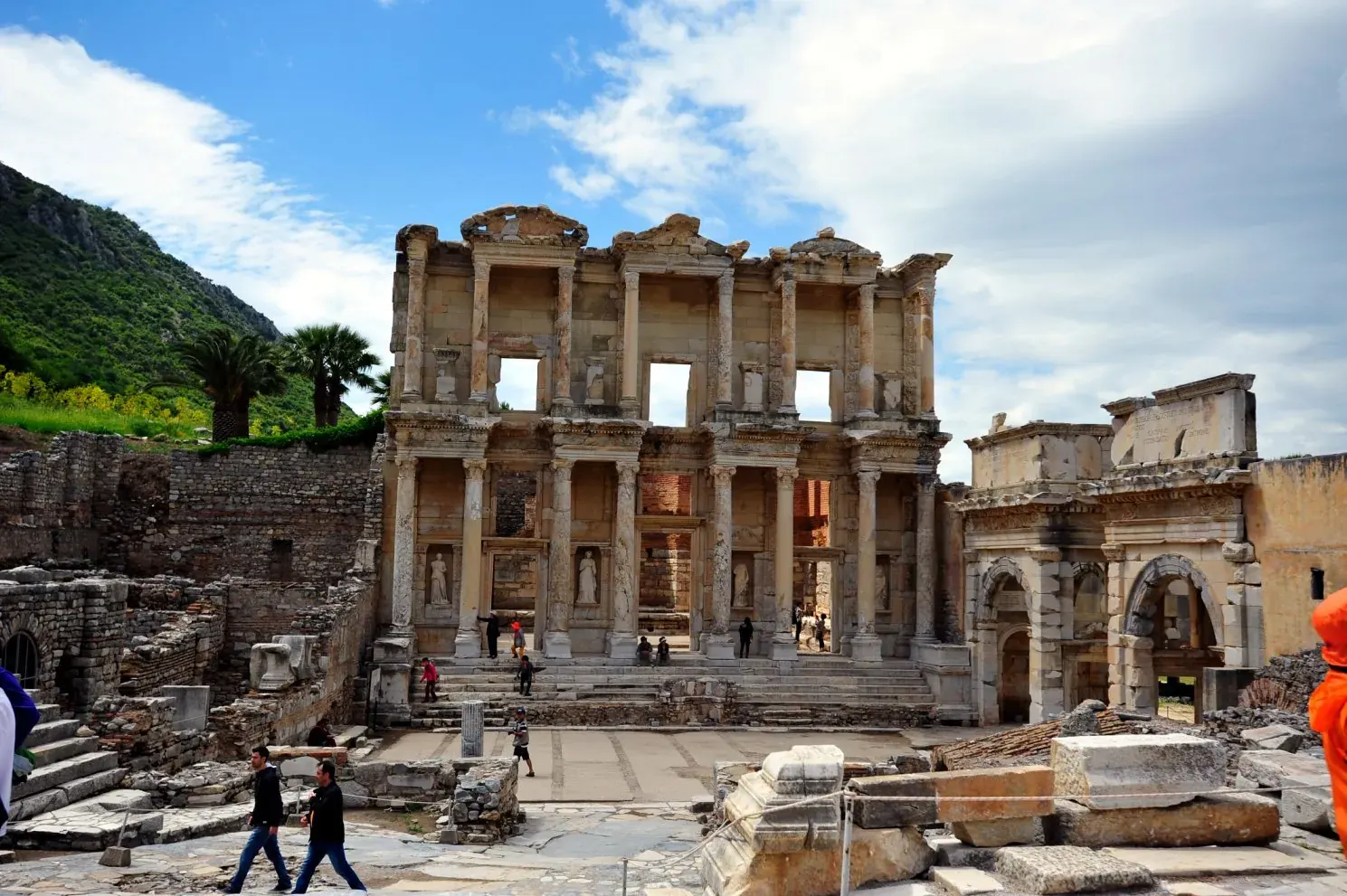
About an hour's drive from Ayvalık, Bergama was an important center that served as the capital of the Kingdom of Pergamon in antiquity. At the Acropolis, set on a hill overlooking the town, you can see the theater, temple ruins and the remains of the famous Library of Pergamon. The Asklepion, closer to the town center, was one of the most advanced health and healing centers of the ancient world; walking through the galleries where patients were treated with the sound of water, music and dream interpretation is a truly fascinating experience. If you're short on time, we recommend prioritizing the Asklepion.
How to Get to the North Aegean? A Ready-Made Package Tour
Planning the Ayvalık, Assos and Bergama route on your own can take days. With Sümela Tur's package tour, transportation, route and guiding come fully planned from start to finish.
- A tour with transportation, route and itinerary all planned
- Sightseeing accompanied by a guide who knows the region
- The assurance of a TÜRSAB-certified agency
- Choice of a group tour or a private vehicle tour for your family
You can check dates, prices and the itinerary on the Kuzey Ege Turu page and book online. If you'd like a plan tailored to you or your group, message us on WhatsApp and let's put the route together.
Best Time to Visit
The most enjoyable months for the North Aegean are April to June and September to October. During this period the weather is warm enough for swimming, without the heavy tourist crowds and heat of July and August; the cooler months are also far more comfortable for exploring shadeless open-air ancient sites like Assos and Bergama. If you visit Ayvalık during the olive harvest, from late October through November, you'll also get a chance to see up close the olive farming that is the region's main livelihood. In winter, you'll find a calm and almost tourist-free Ayvalık, an appealing option for those who want to see a different side of this seaside town.
Ayvalık and Bergama Cuisine: What to Eat and Where?
In this region, the table speaks a very different language from the Black Sea: olive oil is the star of the show. Ayvalık toast (a classic toasted sandwich made with kaşar cheese, sucuk and pickles), artichokes in olive oil, stuffed mussels and freshly grilled fish top the list. At the waterfront restaurants on Cunda Island, you can enjoy the catch of the day alongside mezes made with seasonal greens and plenty of olive oil, while the small eateries in Ayvalık's market and spots like Taş Kahve offer a more affordable and authentic option.
When you're in Bergama, be sure to try testi kebab: this meat dish is cooked in a special clay pot and served by breaking the lid open at the table. If you stop by İzmir, don't miss street flavors like boyoz, kumru, gevrek and stuffed mussels; the area around Kemeraltı Bazaar is the best place for them. Olive oil and olive products (soap, cologne, jam) are the top souvenir choices in both Ayvalık and Bergama.
The Most Photogenic Spots
Capturing the sunset through the columns of the Temple of Athena in Assos is the region's most classic shot; during golden hour, the light bathes the temple and the Aegean in incredible tones. Şeytan Sofrası on Cunda Island is another popular sunset spot, where you can see the silhouette of the Ayvalık Islands from the cliffs. Ayvalık's narrow streets, with their colorful doors, shuttered old Greek houses and squares shaded by olive trees, also offer highly photogenic frames. In Bergama, the panoramic view of the town and plain from the Acropolis deserves an early-morning shoot to avoid the harsh midday light.
Historical and Cultural Significance
These lands were among the most vibrant centers of the ancient world. Assos is known as the place where the philosopher Aristotle founded a school of philosophy in the 4th century BC, and the Temple of Athena is one of the symbols of this philosophical tradition. Bergama was the capital of the Kingdom of Pergamon, ruled by the Attalid dynasty during the Hellenistic period; with its vast library rivaling that of Alexandria and its pioneering Asklepion in medicine, it became one of the most important centers of science and culture in the ancient world. Ayvalık's story is much more recent: until the Greek-Turkish population exchange of 1923, the area was mostly inhabited by a Greek population, and the town's stone mansions, churches converted into mosques and narrow street fabric still bear the traces of this multicultural past today.
Practical Tips
- The ancient sites in Assos and Bergama are rocky and uneven; wear comfortable shoes with non-slip soles.
- In summer, bring sunscreen, a hat and plenty of water; there is little shade at the open-air sites.
- If you're taking a boat to Cunda Island, check the return times in advance, as departures may be infrequent, especially in the late afternoon.
- Carrying cash makes things easier at Ayvalık's small local shops and spots like Taş Kahve.
- If you're buying olive oil and olive products, check the production date and extra virgin quality; they are the region's most treasured souvenirs.
If you'd like to explore this route with us, take a look at our Kuzey Ege Turu. For those who want to explore the Ancient City of Troy and the Çanakkale Martyrs' Memorials at the start of the journey in more detail, check out our Çanakkale Turu.