
Places to Visit on an Aegean Tour Route: A Guide to Ephesus, Kuşadası and Pamukkale
Dotted with ancient cities, white travertines and olive-covered hills, the Aegean coast route is one of Türkiye's richest itineraries for experiencing history and nature together. Stretching from the marble streets of Ephesus to the white terraces of Pamukkale, this journey is ideal for travelers who want to follow in the footsteps of ancient civilizations while enjoying the Aegean's peaceful coastal towns. Here are the must-see places on an Aegean tour route and everything you need to know.
Top Places to Visit on an Aegean Tour Route
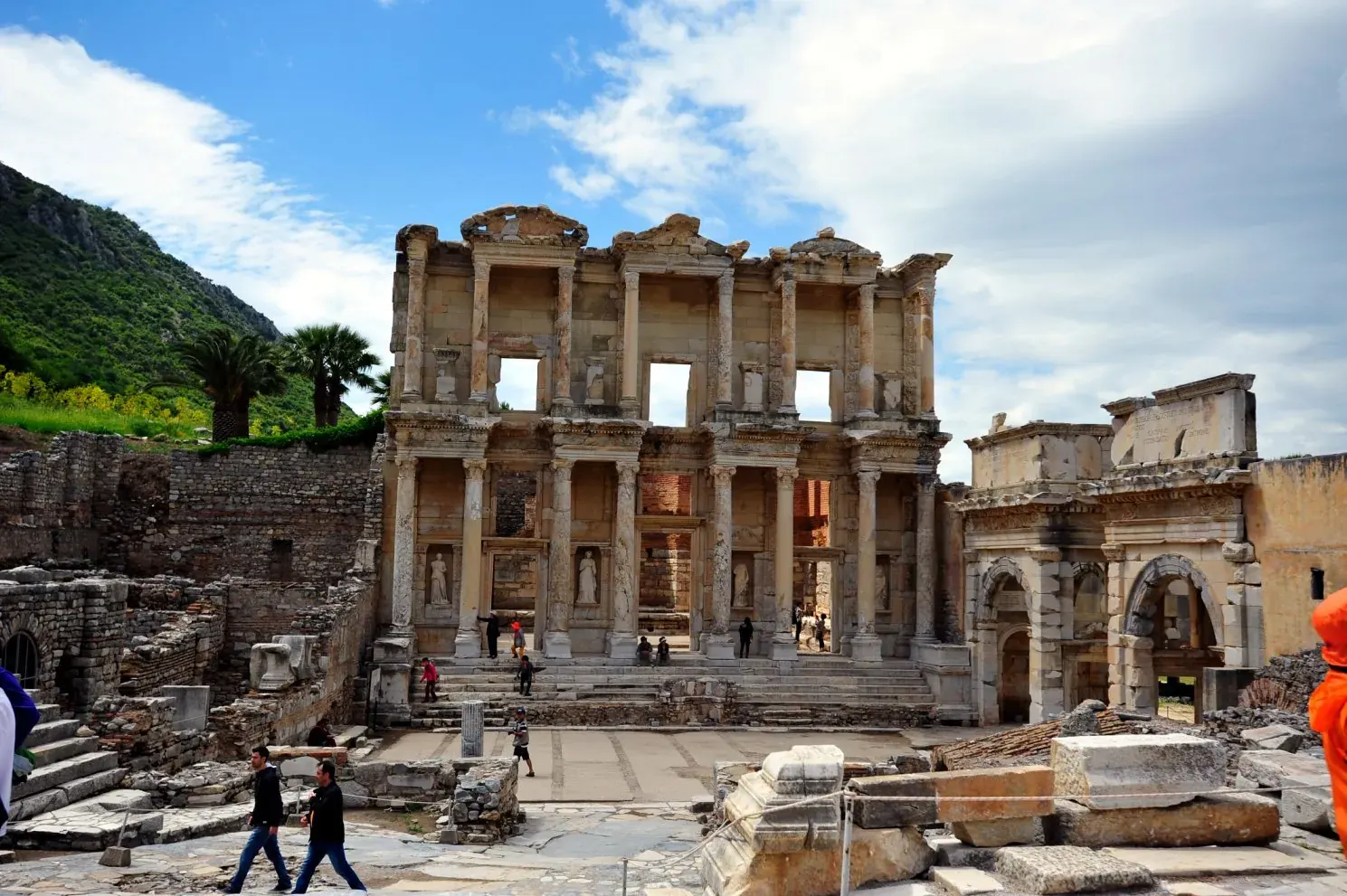
At the heart of the route lies the Ancient City of Ephesus, one of the best-preserved ancient cities in the world. Located in the Selçuk district, Ephesus takes visitors on a true journey through time with the magnificent facade of the Library of Celsus, the Great Theatre and the Sacred Way. Just a few kilometers from Ephesus, the House of the Virgin Mary is believed in Christian tradition to be the place where the Virgin Mary spent the final years of her life.
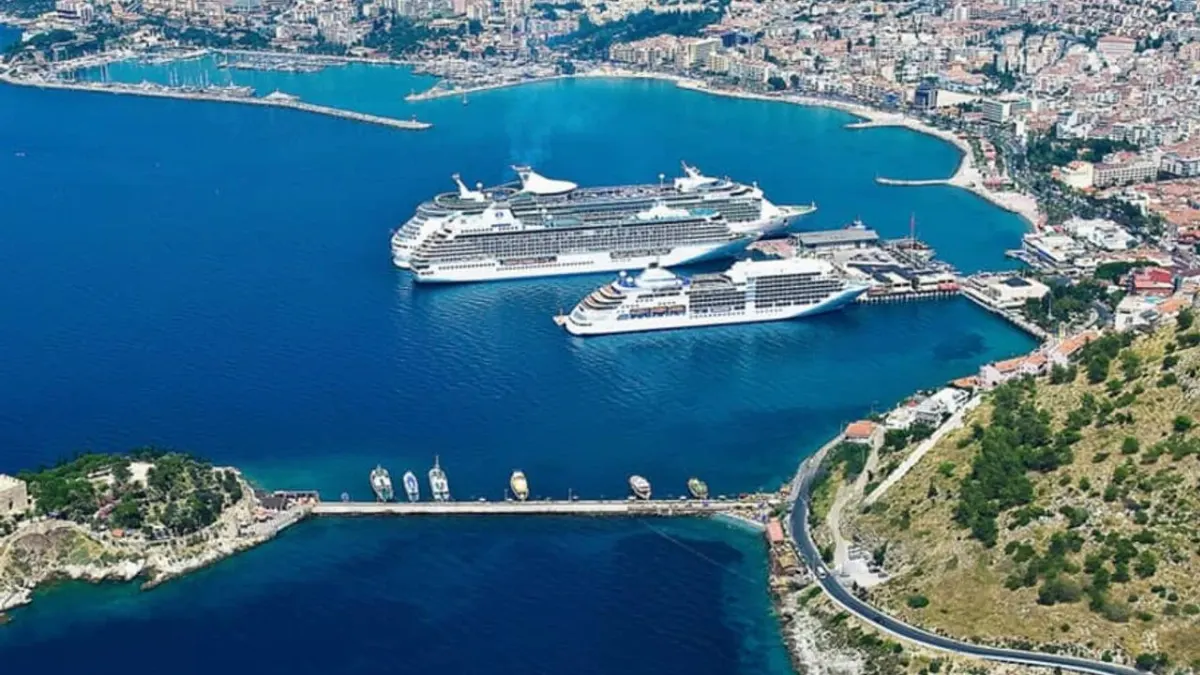
Right next to Ephesus, Kuşadası is the seaside stop of the route, with its marina, Pigeon Island Castle and coastline. If you have time, we also recommend stopping by Şirince Village, famous for its historic Greek houses and vineyards.
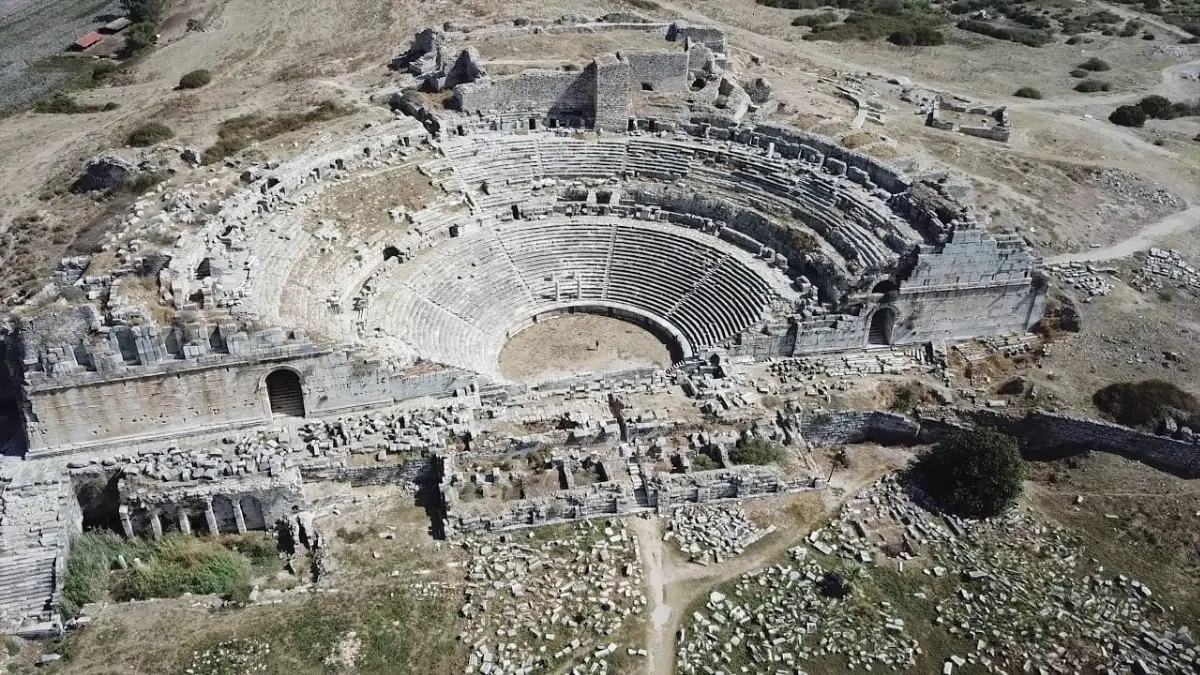
Near Söke, the Ancient City of Miletus was once one of the most important port cities of Ionia and stands out for its well-preserved theatre. If you'd like to extend your route further north, the Acropolis of Pergamon, once home to the second-largest library of the ancient world, and the Ancient City of Assos, where the philosopher Aristotle taught for a time, are rewarding stops to add to your itinerary. The final stop on the route is Pamukkale, world-famous for its white travertines.
Let Us Plan Your Aegean Route Just for You
We don't currently have a scheduled group tour for the Ephesus, Kuşadası and Pamukkale route, but we can plan a private trip for you or your group. Let's work together on transportation, accommodation and the itinerary based on your dates, group size and expectations.
- An itinerary planned around your dates and group size
- Transportation and accommodation arrangements
- Private vehicle option for your family or group
To discuss your plans, message us on WhatsApp or browse our other tours.
Best Time to Visit
The ideal time for an Aegean tour is April–June and September–November, when temperatures don't climb too high. During these months, you can comfortably explore sites with little shade, such as Ephesus, throughout the day while enjoying a calmer experience away from the summer crowds. If you plan to visit the region in July or August, we recommend touring the archaeological sites early in the morning. Summer is the most enjoyable time for swimming in Pamukkale's travertine pools, but in spring and autumn the water is usually still warm enough for a visit.
Historical and Cultural Significance
In antiquity, the Aegean coast was the cradle of Ionian civilization. Founded by settlers from Greece in the 11th century BC, the Ionian cities—Ephesus, Miletus, Pergamon—eventually became some of the most important centers of trade, science and art in the Mediterranean world. Miletus holds a special place in the history of philosophy as the home of Thales, regarded as the father of philosophy, and his student Anaximander. Ephesus, meanwhile, grew so large during the Roman period that it was considered the capital of Anatolia, becoming a cosmopolitan port city with a population of around 200,000.
Another important layer of the region is early Christian history: Ephesus is recognized as one of the seven churches mentioned in the New Testament, and Saint John is believed to have spent his final years here. Bearing traces of the Byzantine, Seljuk and Ottoman eras as well, the region today offers a rich, multi-layered heritage of civilizations.
Pamukkale and Hierapolis: The Secret of the White Paradise
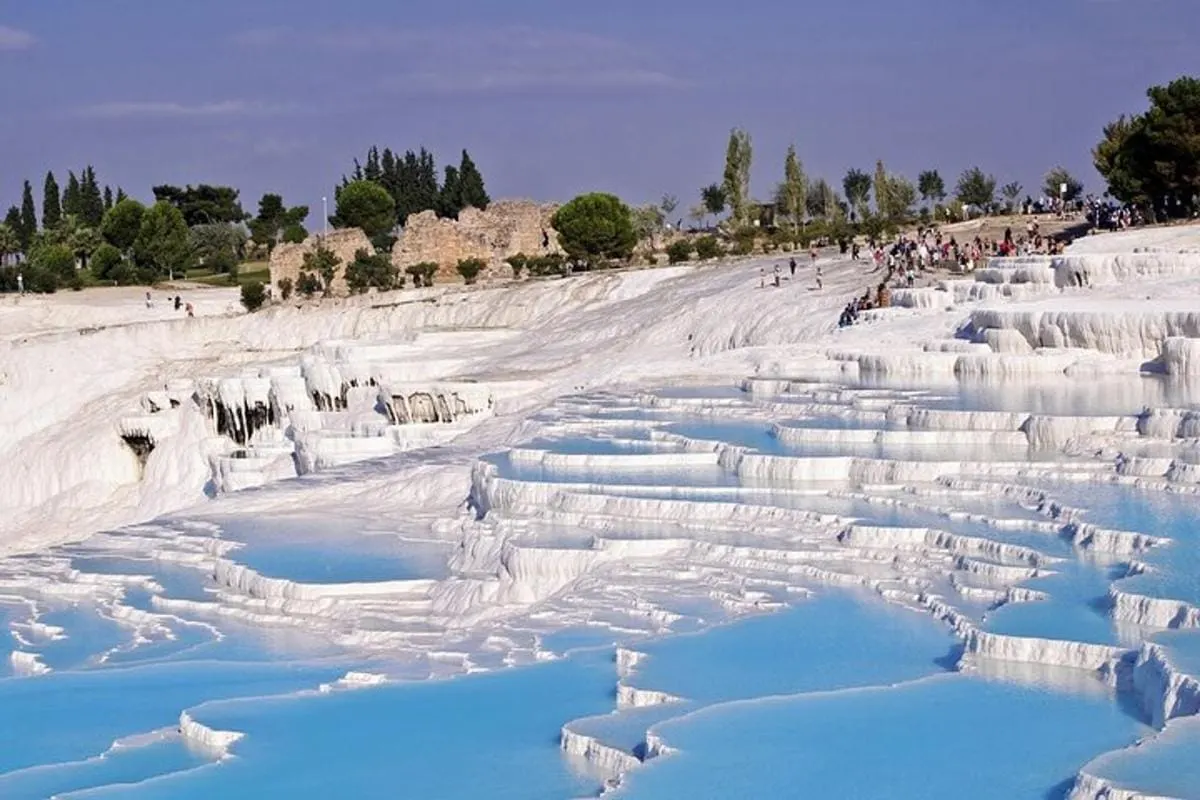
Located in the town of Pamukkale in Denizli, the brilliant white travertine terraces were formed over thousands of years by the deposits of thermal waters rich in calcium carbonate. Set just above the terraces, the Ancient City of Hierapolis was a spa town visited for healing during the Roman period; its necropolis (ancient burial ground) is one of the largest ancient cemeteries in Anatolia. At the Cleopatra Antique Pool, you can enjoy both history and thermal waters as you swim among submerged columns and marble fragments.
Local Cuisine: What and Where to Eat in the Aegean
Aegean cuisine is light yet flavorful, masterfully combining olive oil with seasonal greens. Here are the flavors you shouldn't miss when visiting the region:
- Zeytinyağlılar (olive oil dishes): Vegetable dishes cooked in olive oil, such as artichokes, green beans and stuffed vine leaves, are staples of the Aegean table.
- Wild greens: Local wild greens such as radika, wild radish greens and samphire are usually boiled and served with olive oil and lemon.
- Boyoz: A savory pastry unique to İzmir, made from flaky layered dough and typically enjoyed at breakfast with a boiled egg.
- Kumru: A famous sandwich originating from the Çeşme area, made with sucuk (spiced sausage), kaşar cheese and tomato in a special bread.
- Seafood: At the seaside restaurants in and around Kuşadası, fresh calamari, shrimp casserole and grilled catch of the day are served.
The fish restaurants around Kuşadası harbor are an ideal choice for dinner, while the traditional eateries along Selçuk's quiet streets offer affordable, home-style meals. In Şirince, you can take a pleasant break with a village breakfast and local fruit wines.
Photo Spots: The Best Shots
The facade of the Library of Celsus offers the most striking shot of the route, especially early in the morning—before the crowds arrive and while the light falls across the facade from the side. In Pamukkale, the white travertines take on a golden hue toward sunset; these hours are ideal both for photography and for a cooler stroll. Wide-angle shots taken from the upper rows of the Miletus Theatre are among the images that best capture the scale of the ancient city.
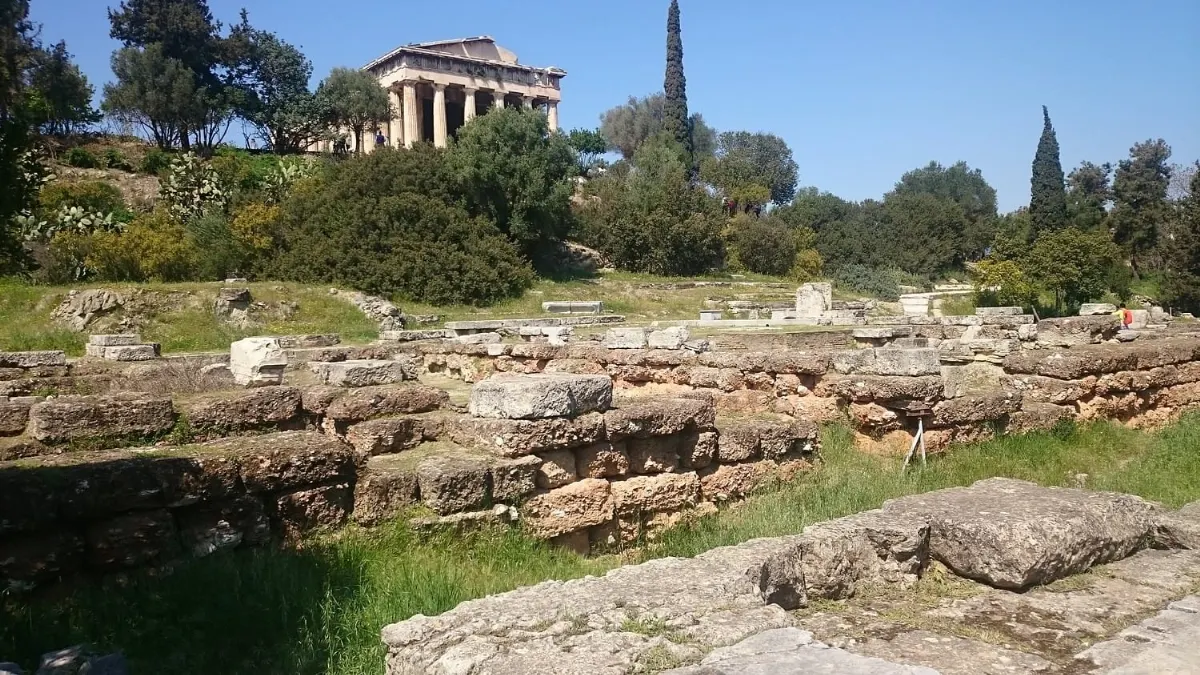
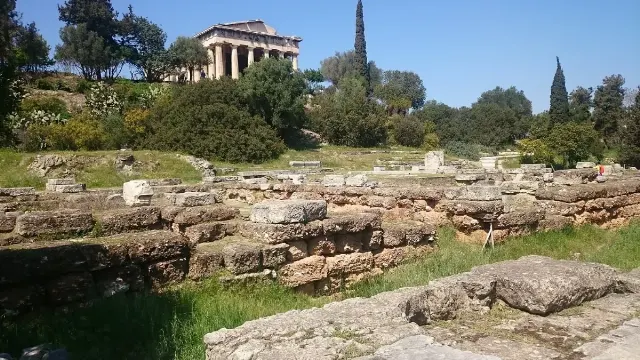
With its arched galleries and historic setting in the middle of the city, the Agora Archaeological Site in İzmir offers social-media-worthy shots both during the day and at sunset. In Kuşadası, the walkway leading to the lighthouse on Pigeon Island is a popular spot for sunset photos.
Practical Tips
- Since most archaeological sites cover large areas, comfortable walking shoes with non-slip soles are a must.
- Shade is scarce at sites like Ephesus and Miletus; be sure to bring a hat, sunscreen and plenty of water.
- Admission to many archaeological sites and museums is free for Müzekart holders; if you don't have the card, check current prices at the ticket offices.
- If you're visiting Pamukkale, don't forget your swimsuit; since shoes aren't allowed on the travertine pools, light slippers come in handy.
- If you want to avoid the crowds, starting your visit early in the morning offers both cooler temperatures and a calmer experience.
- Touring the region with a professional guide lets you experience the history and stories of the ancient cities in a much richer way.
Rather than planning the entire route on your own, choosing a tour with transportation and guiding already arranged makes things much easier. If you'd like to explore this route with us, take a look at our North Aegean Tour program.
This route meets several needs at once, suiting both history-loving travelers and families looking for a relaxing coastal holiday: mornings exploring ancient cities with an expert guide, and afternoons unwinding on the Kuşadası coast or in Pamukkale's warm waters. For couples, sunset photos in front of the Library of Celsus—and for families, an afternoon spent on Pamukkale's white terraces—create unforgettable memories.